
From Elmore County Humane Society
There will be much more to follow when we have the final tally, but huge thanks to everyone who made the Derby Party at The Thirsty Turtle in Millbrook such a huge success! Can’t wait to share the grand total and list of all who made it possible!
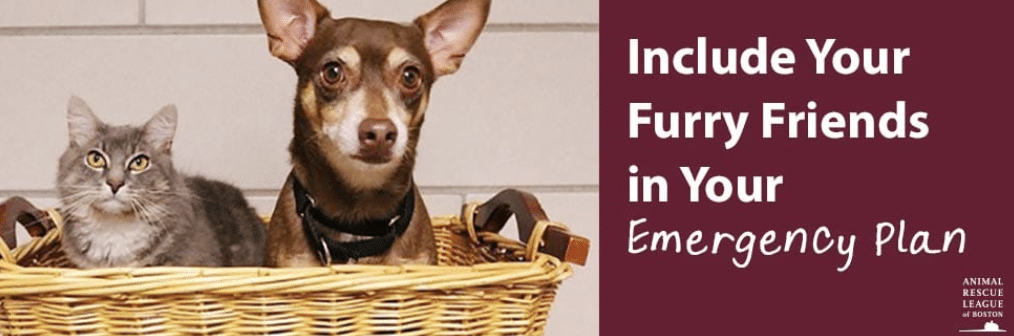
Saturday, 14 May is National Animal Disaster Preparedness Day to remind us to include our pets in all of our disaster planning. And while most of us tend to think of events like a hurricane, tornado or flood in regard to a disaster, a house fire, major water damage inside a home, or grass fire on a farm can all be disastrous for that family. Planning ahead for your pets will help you and your pets get through the crisis until things can get back to normal. The first step in planning is to find a safe place to stay – friend, family member, emergency shelter run by a local organization (not all accept pets or may limit species) or even a pet friendly hotel outside of the affected area. Most Humane/Animal Shelters in our area are unable to ‘board’ pets for families since we are full all the time. And, in the case of incoming large weather events in our area, local animal shelters tend to see a significant increase in intake right before hurricanes and holidays further impacting our available space.
1 – The first step is to HAVE A PLAN! Stay informed! Establish a safe space for your pets, have a plan with a neighbor or close friend to help if you’re not home. Make sure they know where your pet’s emergency supplies are. Have a copy of their shot records, important phone numbers like local Animal Control, Police, local boarding and Veterinarians. Plan an escape route, it might have to be by foot! Then practice with your family and pets.
2 – As part of making that PLAN above, and long before – Have your pets Rabies tags ON their collars and their collars on them, get your pet microchipped and ensure your information is up to date with the microchip company (hint – put your pet’s microchip number in your phone as well as photos of your pet). Make sure your pets are crate trained, just in case they have to be crated at a Boarding Facility, Vet, hotel or friend/family’s home. Also teach them to walk on a leash without freaking out as they may have to be walked for potty breaks at their temporary location. Practice traveling with your pets so they are ok in cars. If they have separation anxiety make sure you discuss this with your veterinarian, they can often assist with calming pills that you can add to their emergency pack.
3 – Have a dedicated pet emergency pack ready! Items should include, but not limited to: crate(s), food, pet friendly first aid kit, bowls for food and water, a slip lead so you can get your pets out quickly, medications (recommended 5 day minimum), flashlight in case you have to evacuate at night, toys/favorite bedding can help calm a scared pet, cat litter box/litter, treats.
4 – Make sure family, friends, neighbors know about your pets – give them a written sheet of paper with your pet’s species, breeds, ages, descriptions so that if you are gone, or they are caretaking and disaster happens they will have a reference to account for your pets. Of course, if you have one or more of your pets with you, make sure they know that so won’t be in a panic looking for a pet that is safe with you.
We hope you never need to put your disaster pan into use, but it will give you peace of mind knowing that you have done everything you can to be prepared to keep your pets safe. Don’t wait until the last minute to prepare as things can get chaotic when bad weather hits, or you are trying to help others near you who have not taken the time to plan. We want all families AND their pets to be as safe as possible during any disaster.