
Alabama Extension
Dogwoods on Decline
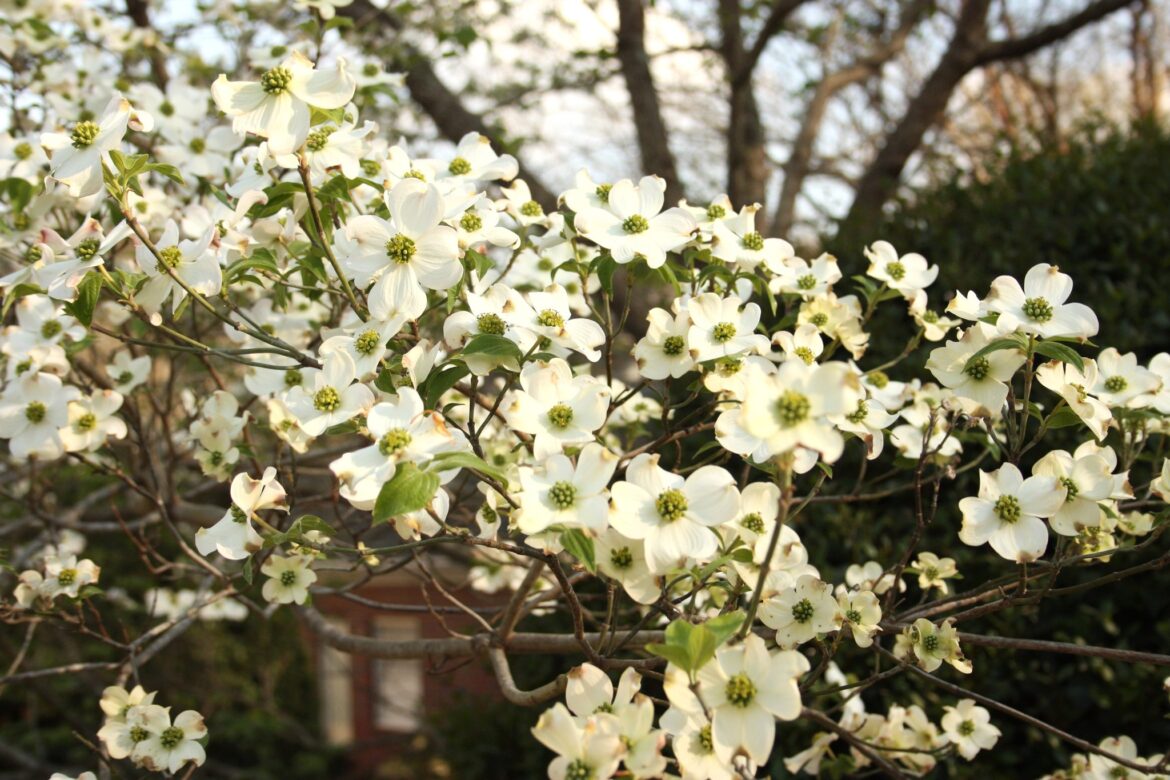
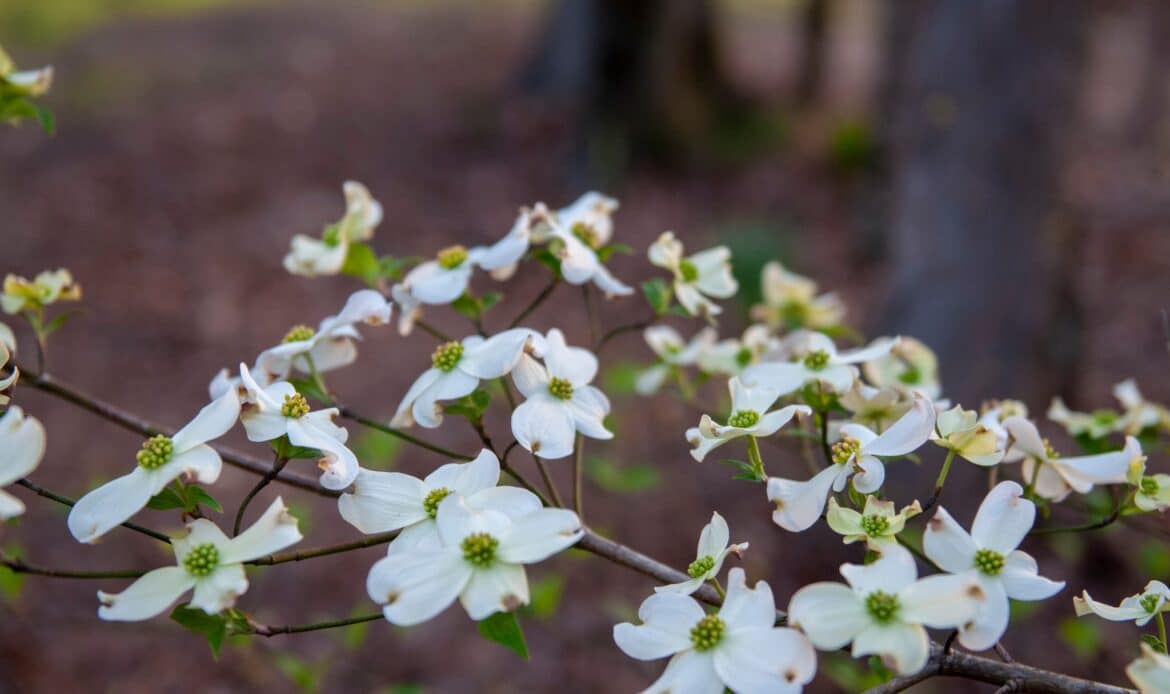
Despite being a cherished sight of spring, Alabama’s iconic dogwood trees have been on the decline lately.
The culprit? Environmental factors like drought, diseases, and pests. However, there are steps we can take to help these iconic trees thrive! Here’s what you can do:
🌿 Plant disease-resistant cultivars
💧 Keep soil moist, especially during dry spells
🍂 Remove dead branches and prune carefully
📚 Learn more about dogwood care: https://www.aces.edu/…/summer-care-important-to…/
Dogwoods are a beautiful signal of an Alabama spring. However, in recent years, Alabama Cooperative Extension professionals have witnessed an overall decline of dogwoods in many parts of the state. Shane Harris, the Alabama Extension coordinator for Tallapoosa County, said over the last year, he has observed struggling dogwoods while out visiting clients and driving through neighborhoods.
“I first began to notice the decline of dogwoods in my own yard and property a few years ago,” Harris said. “I live in a wooded area and have had many older dogwoods growing amongst the mature forest. Other homeowners have also called me out of concern that their dogwood tree has dead limbs or is dying, and they want to know what to do.”
Get to the Root
Flowering dogwoods have shallow root systems. So, a lack of water can result in root dieback and affect the overall health and longevity of the tree. Harris said stress from times of severe drought is a major concern and often kills mature trees, especially those living in dry and high-elevation habitats. Without consistent soil moisture, roots and tree health are put in jeopardy.
“Root dieback, damage, rot and vascular issues — such as a lack of water to fully support the tree — will result in dieback in the top canopy of the tree and almost always lead to a slow death,” Harris said.
Alabama soils do not have a lot of water holding capacity. This is how many Alabama counties can go from too wet to a drought within a week without significant rainfall. The lingering effects of these droughts over time could be why so many dogwoods are suffering.
Environmental Conditions
Jim Jacobi, an Alabama Extension plant pathologist, said the decline and death of dogwoods may be a combination of environmental conditions and diseases.
“Although it is a native species, flowering dogwoods are susceptible to several diseases, insect pests and abiotic (nonliving) problems,” Jacobi said. “Common diseases I find on central Alabama dogwoods are spot anthracnose, powdery mildew and twig and branch cankers and dieback.”
Powdery mildew is a widespread problem that Jacobi first started seeing in Alabama forests and landscapes in the mid-1990s.
Stressed Out
Harris said the dogwood decline playing out across Alabama may be because of a combination of these factors. These effects add great amounts of stress on the trees. Jacobi said he is concerned with the decline and death of dogwoods.
“Stressed trees may have leaves wilting, exhibit smaller than normal leaves, pale green leaves, early fall coloration and overall poor appearance,” Jacobi said. “Dogwoods that are stressed due to poor cultural and environmental conditions (especially drought) are more susceptible to diseases and pest problems.”
Save the Dogwoods
Healthy, thriving dogwood trees are less likely to have diseases and experience decline and dieback. In fact, under ideal conditions, dogwoods may live up to 80 years. This summer, consider the following care suggestions to help dogwoods navigate these conditions and remain healthy:
Flowering dogwoods are native trees that grow best in partially shaded areas with moist and well-drained soil. The soil also needs to have a pH level between 5.5 and 6.5.
When planting a new tree, select a dogwood cultivar that is disease resistant, especially to powdery mildew.
Help the trees conserve moisture by applying pine bark or pine straw mulch around the tree after planting and reapply each year. Do not pile the mulch up along the trunk, because this can encourage rot and diseases. Applying the mulch out to the canopy’s drip line is highly recommended to protect the shallow feeder roots.
Irrigate and supplement water during hot and dry conditions. This is critical during the first year of establishment, because many plants die in late summer because of a lack of moisture and unestablished roots in the native soil. The soil around the tree should be moist but not saturated.
Powdery mildew can be managed with fungicides on high-value trees. Fungicides should be applied at the first sign of mildew, which often occurs in late-April or early May. Continue applying additional fungicide every two weeks until late summer. Always follow the directions on the product’s label.
Remove dead branches and prune back to living wood. This will help remove potential cankers that can spread and lead to decay and further dieback. Select pruning will also increase air movement and help with disease control within the tree canopy.
Learn More
Take care of native flowering dogwoods throughout the spring and summer, then consider planting new ones during the fall. Read more about dogwood care during the spring and summer in Harris’ Extension Brief, The Decline of the Flowering Dogwood. For help on other home and garden questions, contact your local Extension office or visit Alabama Extension online at www.aces.edu
.