Kaylee Simons
Elmore Autauga News
The River Region has long been shaped by generations of business owners, community leaders and professionals who built their lives and careers across Central Alabama. But as older generations begin stepping away from longtime roles and industries continue evolving, a new wave of entrepreneurs is beginning to leave its mark on the area not by leaving for larger cities, but by choosing to stay.
Across Elmore and Autauga counties, younger business owners are opening storefronts, launching new concepts and introducing modern approaches to industries that have often remained unchanged for decades. While many young professionals pursue opportunities in larger metropolitan areas, others are choosing to invest directly into the communities they grew up in, helping shape the next chapter of the River Region in the process. That growth can be seen in industries ranging from healthcare to entertainment.
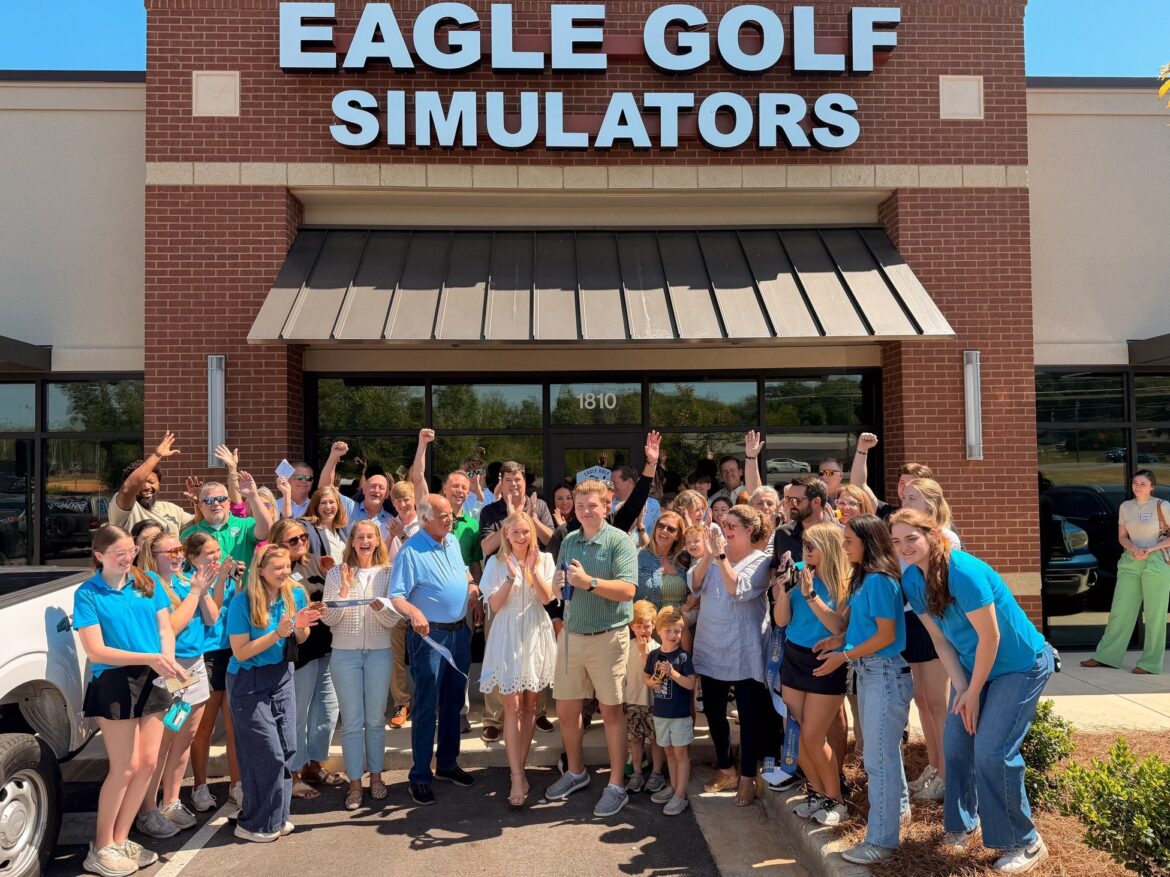
In Millbrook, Dawson Gray recently opened Eagle Golf Simulators near the growing 17 Springs development corridor. The indoor golf simulator business combines technology, recreation and community gathering space in a way that reflects changing interests and continued investment in quality-of-life experiences across the area.
For Gray, opening the business locally was rooted in both personal experience and confidence in where the River Region is headed. “Growing up seeing my dad grow his automotive business, Gray’s Tire and Service Center, in the River Region and the support the community provided him had a lot to do with it,” Gray said. “It is no secret that Millbrook along with other cities in the River Region are growing and developing rapidly and with that growth I knew there was a need in the entertainment sector.”
Gray said the River Region’s growing population, combined with the area’s strong golfing community, created an opportunity to build a space designed for both serious golfers and families looking for a social experience. “The River Region is home to many golfers along with families looking to have a fun place to go to practice their golf game, have a fun date night or enjoy time with friends,” Gray said. “We are extremely grateful for the community support since we have opened and look forward to serving the River Region.”
While entertainment concepts like indoor golf facilities have become increasingly popular in larger cities, businesses like Eagle Golf reflect a growing shift happening within the River Region itself. Younger entrepreneurs are beginning to identify opportunities locally instead of assuming those experiences only belong somewhere else.
Gray said the process of opening Eagle Golf reinforced the importance of patience and intentional growth. “The process of researching, designing and creating Eagle Golf has taught me many lessons, the most important of which is patience,” Gray said. “We originally were planning on opening six months earlier than when we did on April 14, 2026.”
Instead of rushing the process, Gray said the delayed opening allowed additional time to refine the business and continue investing into the customer experience. “Although our opening date was pushed back, it gave me more time to better design our layout, add more unique technology like our auto tee system and make sure not to cut any corners in creating the best golf simulator in the state,” Gray said. “It’s exciting to see the direction that the River Region is going and I am glad that we get to be a part of its growth.”
That same intentional approach can also be seen in healthcare.
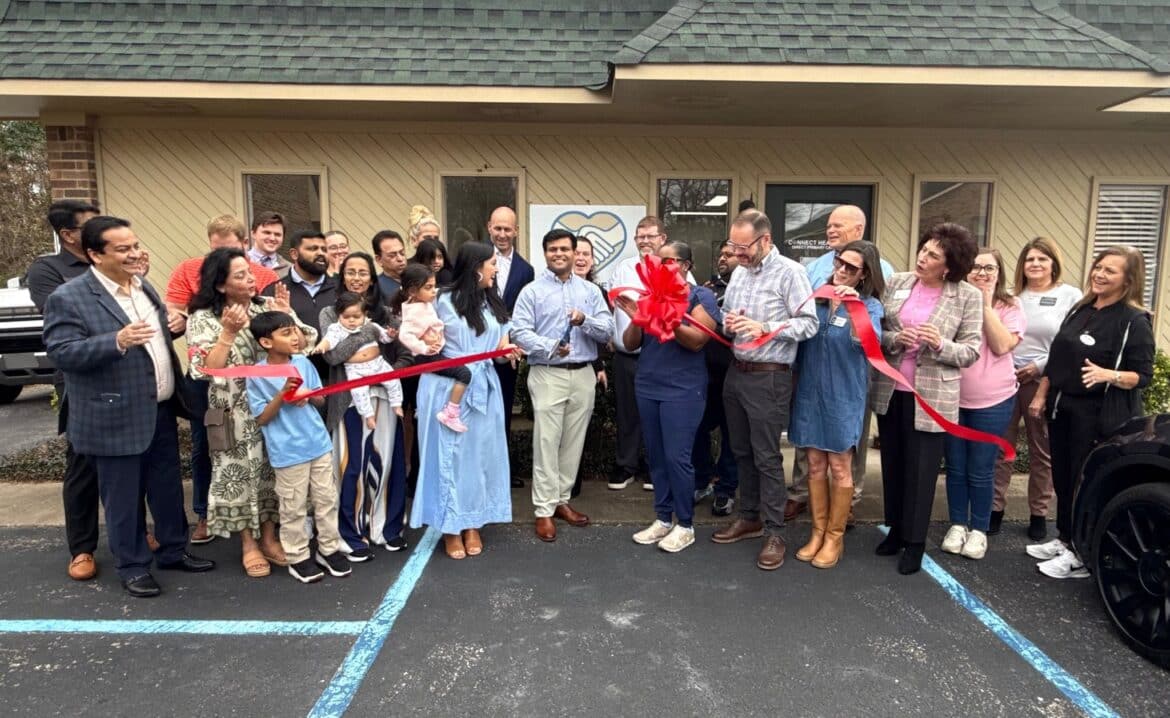
Connect Health DPC, founded by Dr. Chirag Patel, brings a Direct Primary Care model to the River Region, offering a more membership-based and patient-focused approach to healthcare. “The River Region is full of hardworking families who often put their health on the backburner because of healthcare that is confusing and expensive,” Patel said. “They are often waiting weeks for appointments and getting minimal time with their physician.”
Patel said Connect Health DPC was designed to simplify care through an affordable monthly membership model that provides direct physician access, same-day or next-day appointments, longer visits, in-house testing and access to medications at no additional cost.
“Good access to primary care is the foundation of a healthy society,” Patel said. “From medical school I knew that patients were falling through the cracks of the traditional insurance model and Direct Primary Care precisely addresses these systematic errors and allows me to provide accessible care that truly puts patients first.” Rather than building his practice in a larger urban market, Patel chose to return to the River Region and invest in the community where he and his family wanted to plant roots.
“My wife and I recently welcomed our second child and that season of life reinforced how important it was for us to raise our family close to home,” Patel said. “Returning to the River Region was not only a personal decision, but also a professional one. We saw an opportunity to invest in the communities that invested in us.” Patel said one of the most meaningful aspects of family medicine is the ability to build long-term relationships with patients throughout every stage of life.
“In smaller communities especially, you have the privilege of knowing patients beyond their chart and becoming a trusted part of their family’s journey over time,” Patel said. “For me, success is not just building a practice, it is creating a place where people feel known and genuinely cared for.”
While the businesses themselves may look different on the surface, both represent a larger shift taking place. Younger generations are not only entering industries traditionally led by older professionals but also rethinking how those industries operate and what local communities may need moving forward.
From boutiques and restaurants to construction companies, healthcare practices, creative businesses and specialty entertainment spaces, younger entrepreneurs are becoming an increasingly visible part of Central Alabama’s business landscape. In many cases, they are blending modern ideas with a strong sense of local connection, creating businesses designed not only to succeed financially, but to contribute to the communities around them.
As the River Region continues growing, that new generation of owners may ultimately play a major role in defining what the area looks like in the years ahead. And for many of them, success did not begin with leaving home. It began with choosing to build here instead.