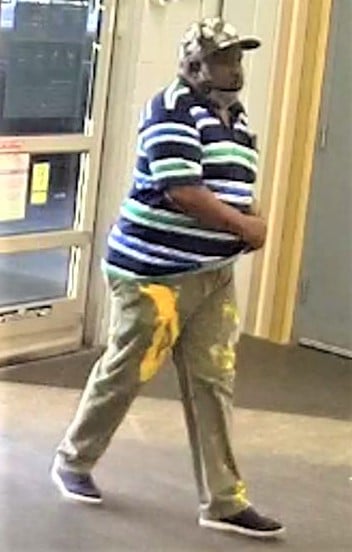
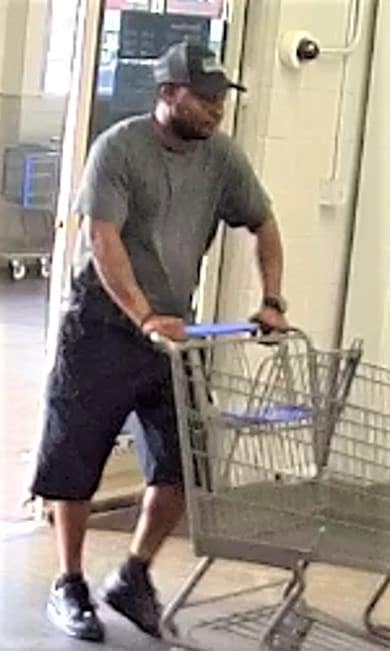
Quick Change Scam
Retail Business
100 Block of Kelly Boulevard
Millbrook, Alabama
Case: MBPD22-0523A
Millbrook Police Department
334-285-5639
FROM CENTRAL ALABAMA CRIMESTOPPERS
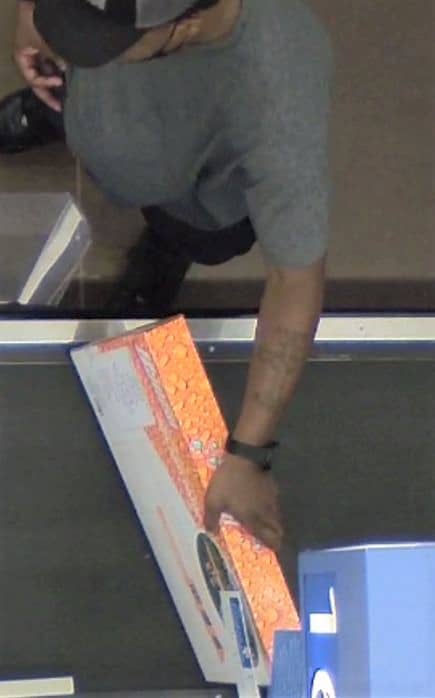
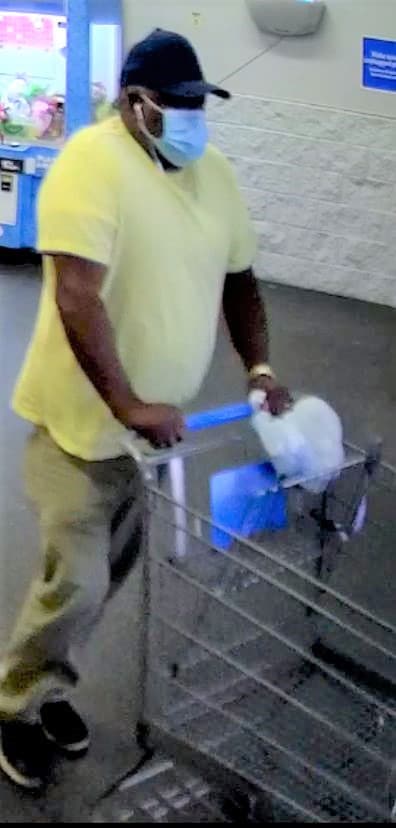
The Millbrook Police Department is investigating a Quick-Change Scam and seeks the public’s help in identifying the suspects.
The Millbrook Police Department is requesting assistance identifying three subjects who entered a business in the 100 block of Kelly Boulevard in Millbrook, AL on 5/10/2022 and engaged in a quick-change scam for the amount of $1,400 from the business.
If you have any information regarding the identity or whereabouts of these suspects, please immediately call the Police or CrimeStoppers using our 24-hour tip line at 215-STOP (7867) or 1-833-AL1-STOP or download our P3-tips app. Make sure you receive a Tip ID and Password in order to dialog with Investigators in case there is a follow-up question. Your Tip may lead to a Cash Reward!
If you need to remain anonymous call CrimeStoppers.
Quick Change Artist (National Association of Bunco Investigators NABI)
A Bunco crime; a Quick-Change Artist, or sometimes, a Short Change Artist, is someone who steals money by confusing cashiers while they are making change. They do this in many ways. Usually the thief attempts to distract or confuse the cashier during the transaction, does a quick sleight of hand, and then claims they were not given the correct amount. They’re called “artists” because they are extraordinarily good at what they do.
Common Targets
Quick-change con artists target new or inexperienced salespeople who are trying to deliver fast customer service. They also target young employees who may not be as aggressive in managing the confusion of multiple transactions and are wary of slowing down a line of customers. The types of establishments typically victimized by fast-cash scams can include fast-food joints, gas stations, hotels and even ice cream stores.
Recognizing the Con Job
Employers can train salespeople about how to spot a quick-change scam. For example, employees should be wary of customers trying to purchase a low-cost item with a large bill. Employees should request that the customer use a smaller bill for the transaction. If the customer doesn’t have smaller bill, employees can direct them to the nearest bank to break the large bill into smaller denominations. Small businesses can post signs which explicitly state that they only do transactions with bills no larger than $20. Employees should be warned of customers requesting multiple transactions and of duos that may be working together to distract them.
Stopping the Scam
Police advise that cashiers should place large bills on top of the cash register, the till or on the counter in full view. Cashiers shouldn’t put a large bill in the cash register until they’ve completed one transaction. Also, the cashier should count aloud the change that has been made. If the customer starts to barrage them with requests for multiple transactions, they should purposefully slow the transaction process down and manage each transaction separately. If the customer begins to bully or intimidate the cashier and the confusion escalates, the cashier should stop the transaction completely, close the register and call for the manager.