Kaylee Simons
Elmore Autauga News
There are conversations that stay in the room, and then there are conversations that follow you home. This was one of them.
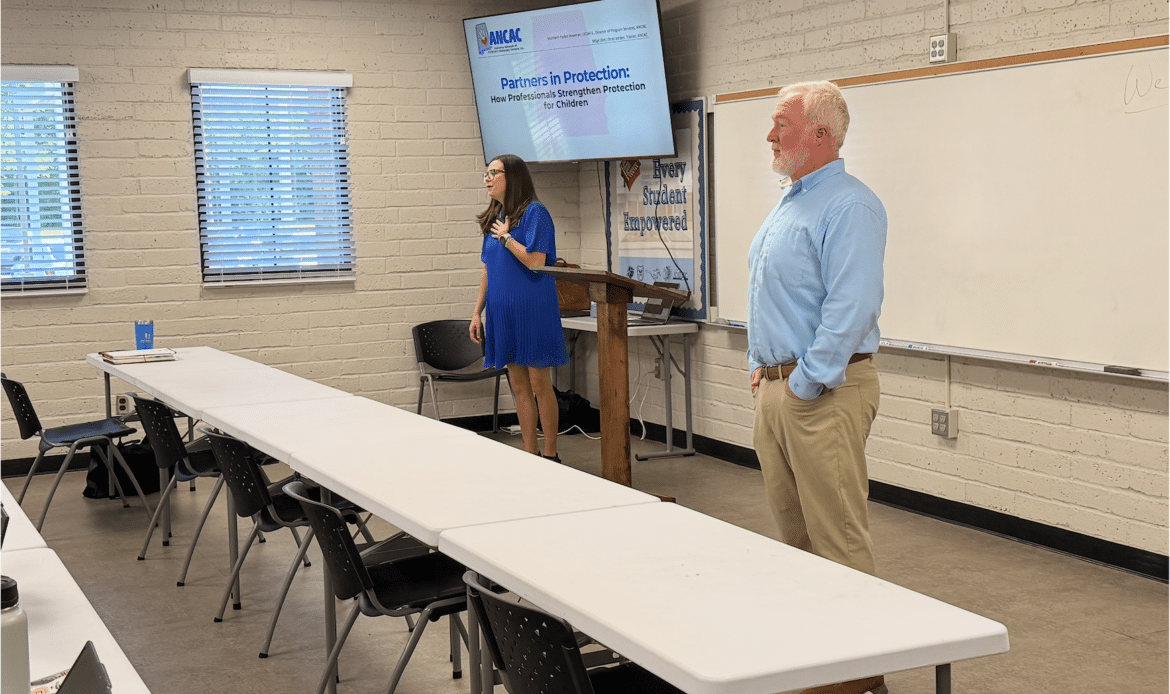
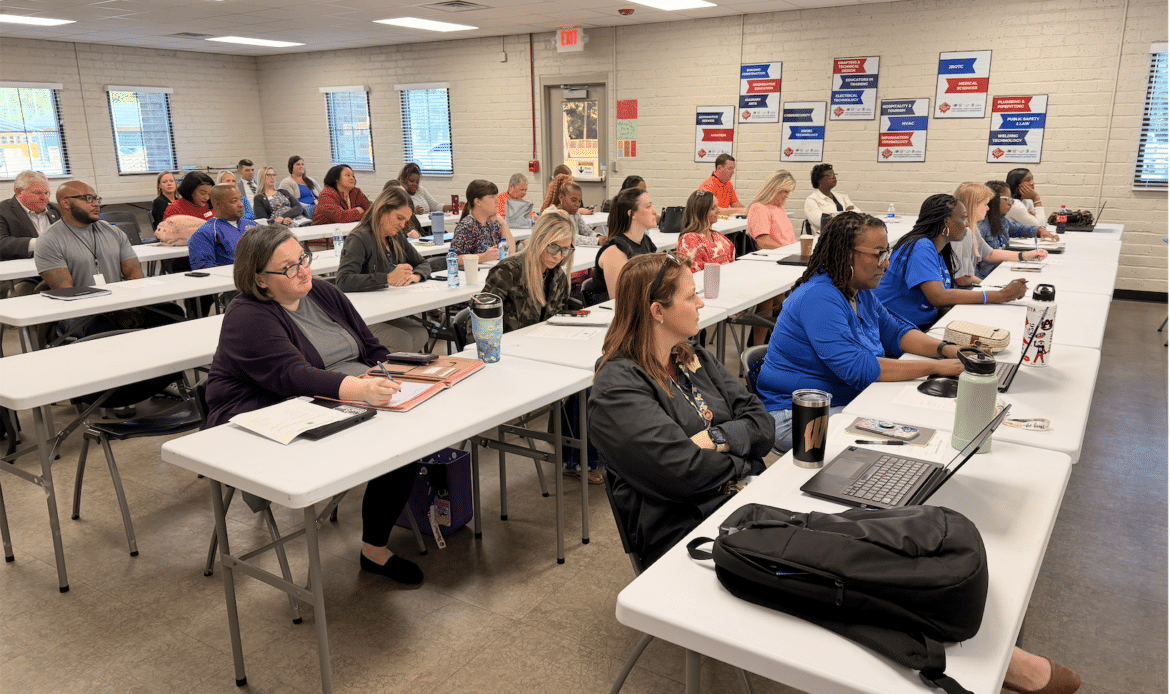
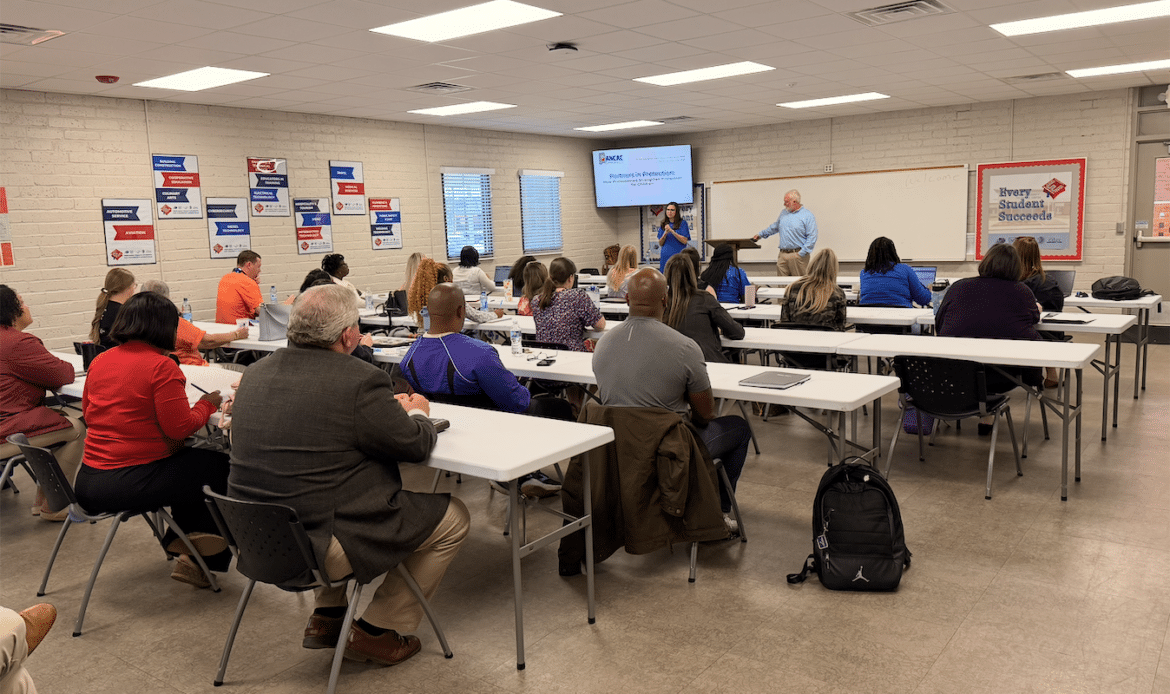
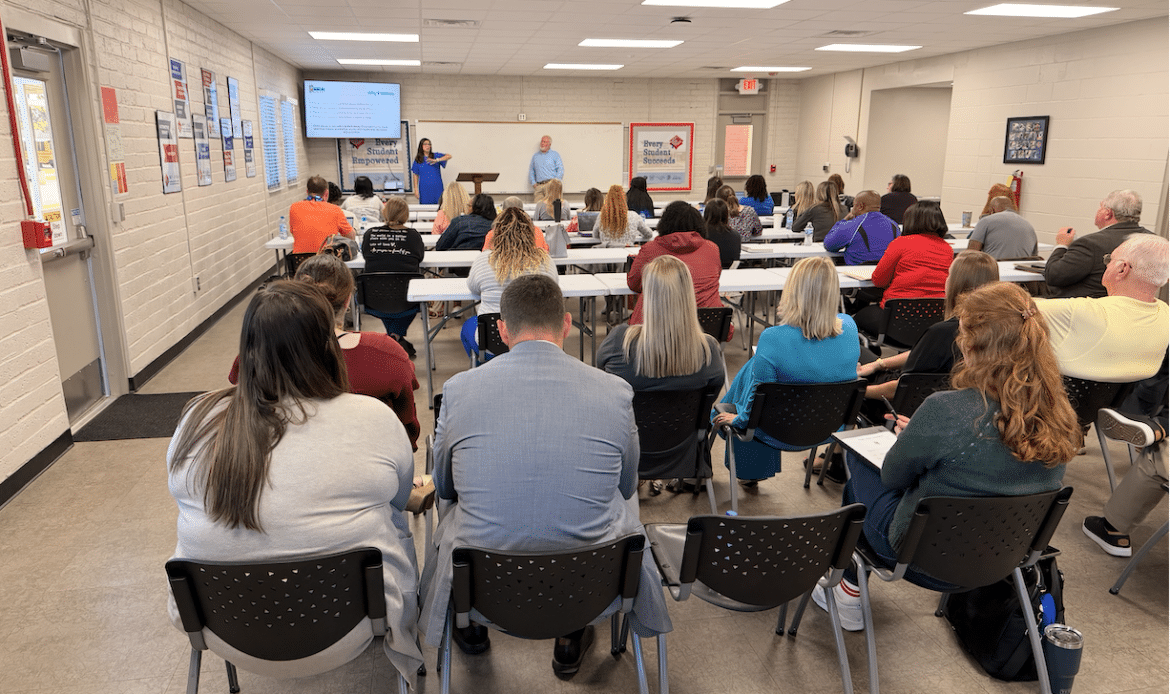
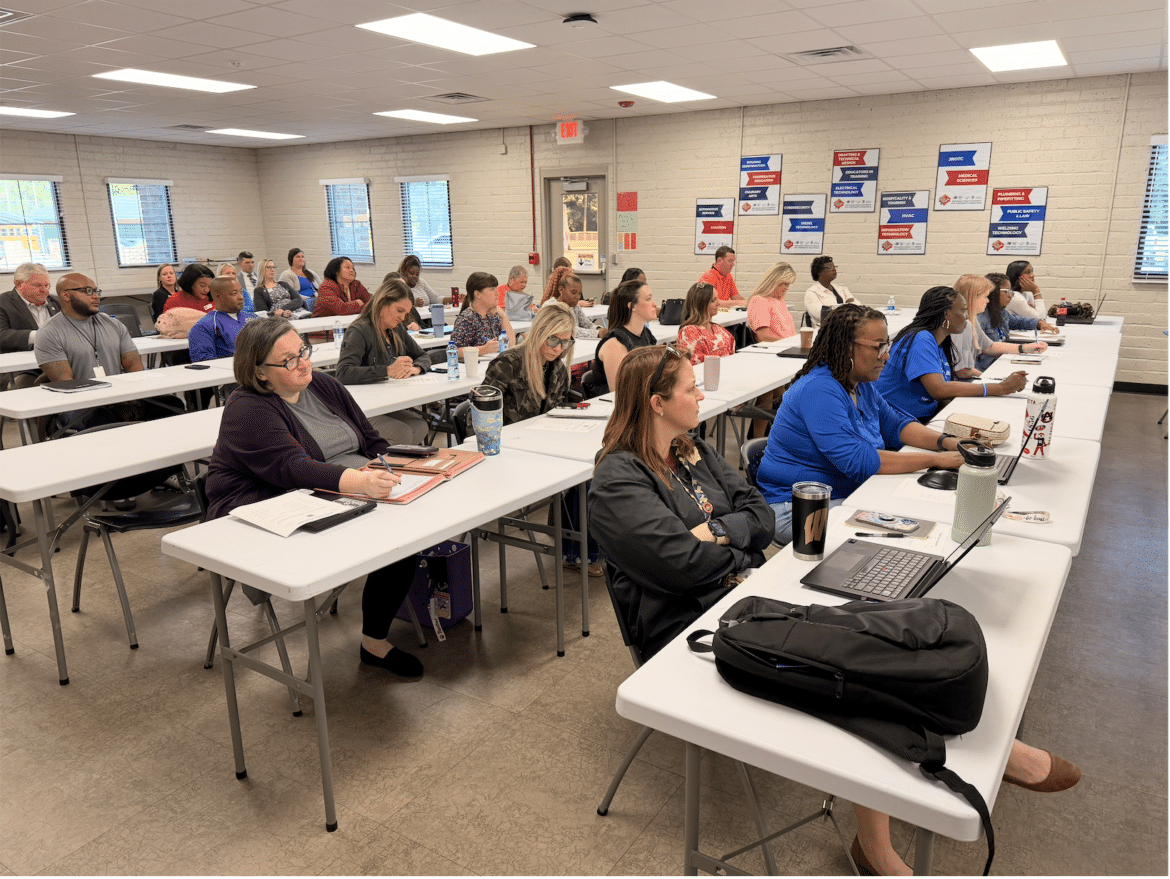
Community members gathered on Tuesday, April 21, 2026, at Elmore County Technical Center for a child abuse awareness class organized as part of a statewide initiative. Ten commissioners were selected to take on a critical issue facing Alabama communities this year, child abuse and child trafficking.
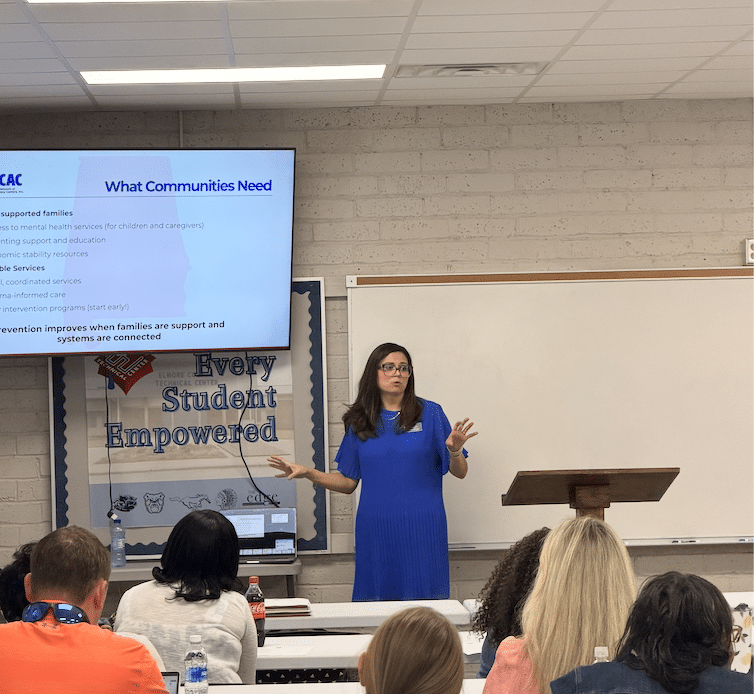
The local class was led by Henry Hines, who brought together educators, counselors, law enforcement, and community leaders with a shared purpose, strengthening how communities protect children and respond to abuse. The presentation began with members of the Alabama Advocacy Group, including Mary Beth Bowman, Brad Jordan, and Lynn Scott, who walked attendees through how child abuse cases are handled across systems in Alabama.
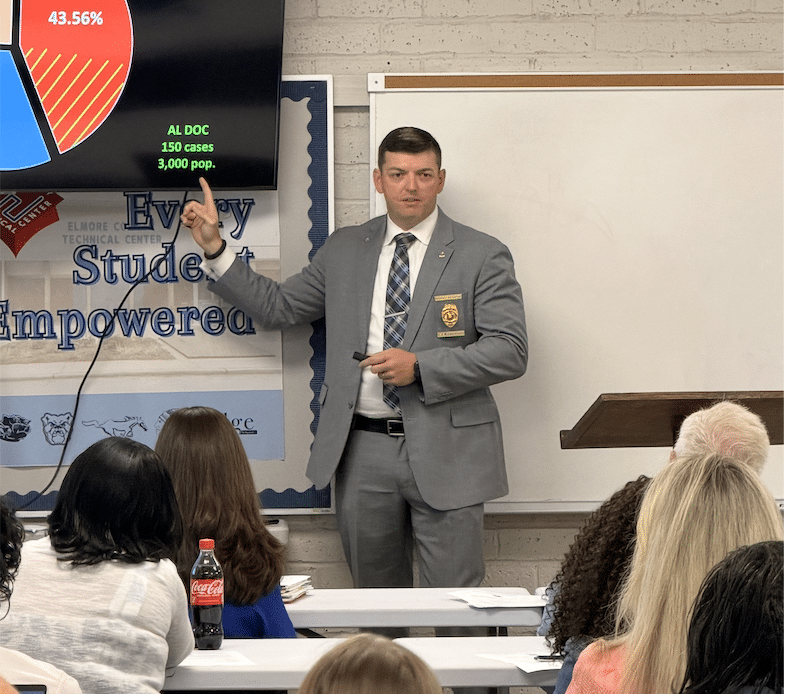
Jordan, drawing from more than three decades in law enforcement, explained how agencies such as law enforcement and the Department of Human Resources operate alongside one another. He emphasized that while their roles differ, their effectiveness depends on communication, collaboration, and mutual respect.
“At this point, DHR’s primary focus is on child welfare, and law enforcement’s focus is on the criminal side. That’s where we separate, but both parts are equally important,” Jordan said.
He also addressed the complexity of cases involving foster care and family preservation, noting that decisions are made on a case-by-case basis with the child’s safety as the priority.
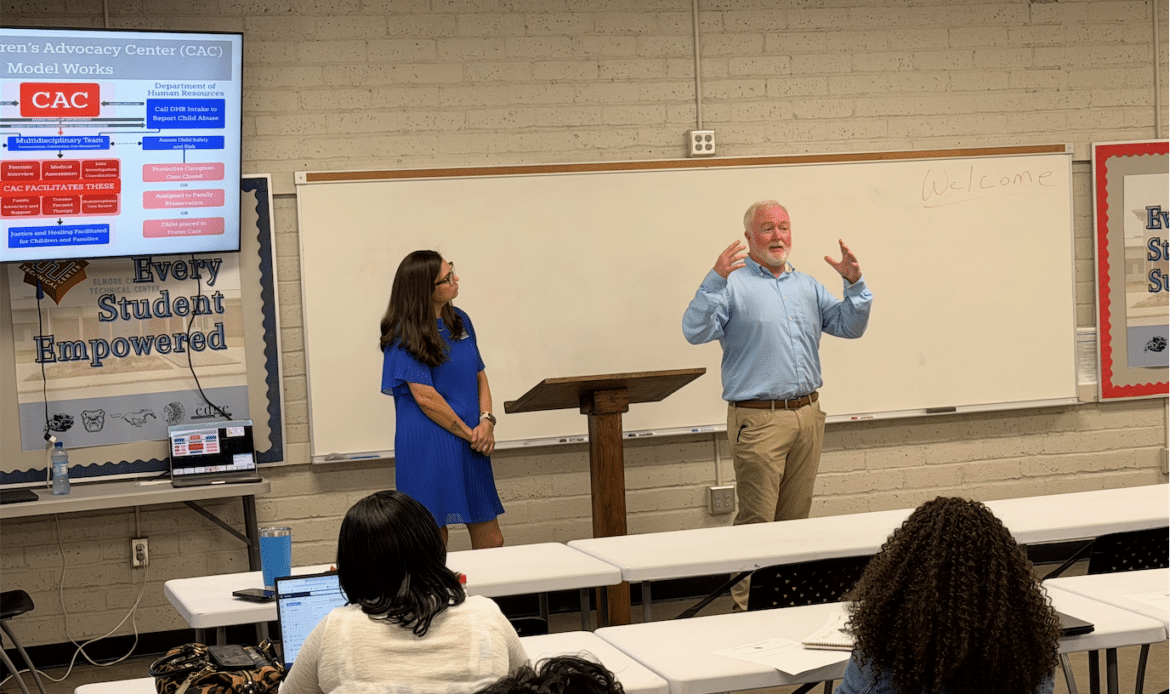
The Child Advocacy Center model was a central focus of the presentation. Information shared by the Alabama Network of Children’s Advocacy Centers outlined how reports of abuse move through a coordinated, multidisciplinary response involving law enforcement, DHR, medical professionals, and advocacy teams. That process includes forensic interviews, medical assessments, case reviews, and trauma focused support, all provided at no cost to families, with the goal of pursuing both justice and healing.
Data presented during the session highlighted the scope of that work across the state, with thousands of counseling sessions, forensic interviews, and coordinated case reviews conducted each year. At the same time, the need remains significant. Presenters shared that one in ten children will experience abuse before the age of 18, and that the long-term effects of trauma can impact both physical and mental health well into adulthood.
Bowman, serving as a forensic investigator, emphasized that prevention begins long before a report is ever made. She explained that protecting children requires a community wide effort, rooted in awareness, education, and early intervention.
“What we want to see is taking that whole multidisciplinary view and putting all of those pieces together in a way that benefits that child and that family,” Bowman said.
She also spoke on the importance of teaching children body safety, including the use of correct anatomical language, and creating a culture where accountability is clear and abuse is not ignored.
The discussion also addressed Adverse Childhood Experiences, or ACEs, and their connection to long term health outcomes, while reinforcing that protective factors such as stable environments and safe adults can change the trajectory for children.
CJ Robinson followed with insight from the courtroom perspective, explaining how these cases move through the circuit. Drawing from his experience, he described how a significant portion of the workload is concentrated within a small percentage of the population, particularly among incarcerated individuals. He also addressed the strain on the system, explaining that district attorneys are handling a heavy caseload, placing additional pressure on prosecution efforts. He also referenced legislative changes, including updates to Winston’s Law, and reflected on the continued need for policies that support both accountability and protection.
Stacy Reed provided further explanation of how cases are assessed for safety and risk, including decisions surrounding family preservation and foster care placement.
Desirea Lewis Jackson outlined recently enacted laws and how those changes impact both prosecution efforts and victim protection across the state.
While prevention and education remain at the forefront of conversations like these, the reality is that response systems must be just as strong. In Elmore and Autauga counties, organizations like Butterfly Bridge Children’s Advocacy Center serve as a critical piece of that response, stepping in when children have already experienced abuse or neglect.
Every day, children walk through the doors of the center carrying stories no child should have to tell. Inside, they are met with trained professionals and community partners who provide a safe, child friendly environment where those stories can be shared without fear. The goal is to create a space where children feel secure enough to speak and supported enough to begin healing.
That work is not done in isolation. The team works closely with law enforcement, child protective services, medical professionals, therapists, and the District Attorney’s Office, forming a coordinated response designed to protect children while also pursuing accountability. It is a system built not just around investigation, but around restoration, ensuring families have access to the resources and support they need to move forward.
Beyond immediate response, the center also addresses complex areas of child safety, including treatment programs for youth with problematic sexual behavior. Through early intervention and partnerships with organizations like Youth Services Institute, the work extends beyond response and into prevention of future harm.
Throughout the presentation, one message remained consistent. Prevention is not passive. It requires communities to create safe, stable environments, support families before crisis, respond early, and hold systems and individuals accountable.
It also requires a shift in mindset. Strong communities are not defined only by how they respond after abuse occurs, but by how they reduce the likelihood of it happening at all. Conversations with local teachers, counselors, and staff reinforced that prevention often happens in everyday moments, through awareness, presence, and a willingness to act.
Because protecting children is not just a system issue. It is a community decision. And the kind of community that refuses to look away is the same kind of community where abuse has fewer places to hide.