Amanda Pevey
Elmore Autauga News
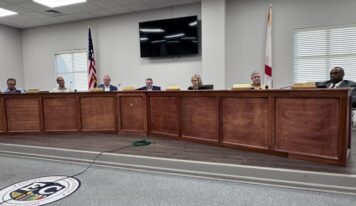
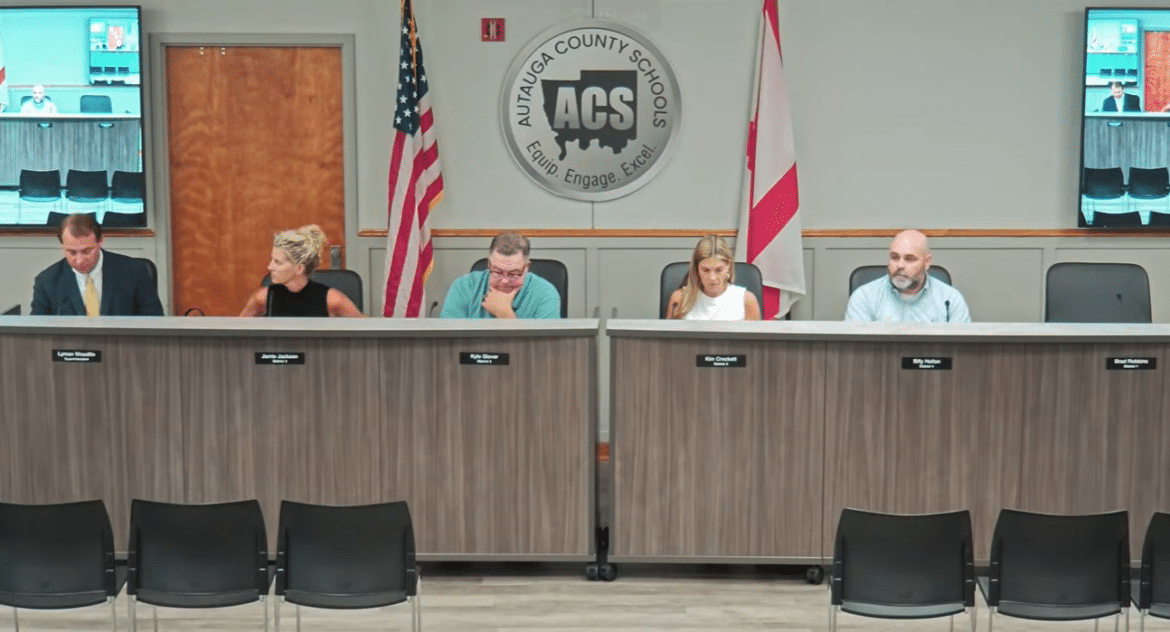
The Autauga County Board of Education is weighing a potential shift in its long-term financial strategy after district leaders outlined a plan that could use one-time state funds to reduce millions in bond debt, a move officials say could influence future construction priorities and debt obligations across the system.
During Monday’s meeting, Chief School Finance Officer Lesley Wallace presented options for using approximately $5.3 million in Advanced Technology and Facilities (ATF) funds to pay down existing bond debt, including remaining balances from the district’s 2015 and 2018 bond issues. Wallace noted the opportunity is temporary and not guaranteed in future allocations.
ATF funds refer to supplemental allocations from the state’s Education Trust Fund (ETF) Advancement and Technology Fund.
“This is a one-time opportunity to make a meaningful impact on our debt structure,” Wallace said. “We could eliminate portions of outstanding bonds and significantly reduce long-term obligations.”
Under the proposal, the district could fully retire the 2015 bond, which has about $3 million remaining, and apply additional funds toward the 2018 bond, which carries roughly $5.2 million in remaining debt. Wallace said the move could reduce annual debt service payments and increase future financial flexibility.
Superintendent Lyman Woodfin said the discussion comes down to balancing immediate facility needs with long-term fiscal stability.
“This is a one-time shot to knock down a lot of debt,” Woodfin said. “But if we do that, a lot of the projects you have seen over the last few years will not happen next year because that is the funding source for a lot of those things.”
Board members raised questions about how the proposal could affect future construction capacity and borrowing limits.
ACBOE board member Kim Crockett asked Woodfin, “The last time you went before the city, you gave them a deadline? Have you heard anything about if they will partner with us?”
Woodfin responded, “I have not heard anything official.”
Wallace stated that while reducing debt would strengthen the district’s overall financial position, it would not significantly change its bonding capacity.
“We are still capped based on millage,” Wallace said. “Even without debt, the district will not exceed roughly $30 million in bonding capacity.”
ACBOE board member Kyle Glover also questioned Wallace on whether paying down debt would meaningfully expand the district’s ability to take on large projects in the future. “If we’re capped alone at 30 million, 30 million is not going to touch a high school, a junior high school, or an elementary school the size of Daniel Pratt Elementary. I would love for us to get out of debt, but I really do not see the need of rushing to get out of debt and using the capital that we have if it’s not going to help the cap rate on the bonds.”
Wallace responded, “That is one option we can look at.”
Discussion also highlighted a decline in ATF allocations, which district leaders said have dropped by more than $3 million compared to the previous year, with additional uncertainty ahead. Officials noted that timing is critical, as the district will need to submit ATF spending plans to meet state deadlines.
Woodfin said a decision point is approaching quickly.
“We’re going to have to make a decision this summer,” Woodfin said. “This is about positioning the district for the next decade, not just the next year.”
No action was taken on the proposal, but further discussion is expected at upcoming board meetings as members continue weighing debt reduction against long-term capital needs.