Kaylee Simons
Elmore Autauga News
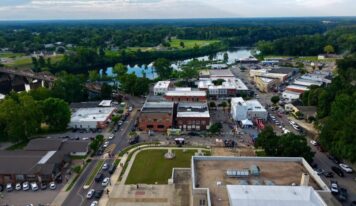
For most people in Wetumpka, the Bibb Graves Bridge is simply part of the drive. It’s the backdrop to downtown photos, evening walks by the river, and just about every “welcome to Wetumpka” drone shot imaginable.
But what many locals may not realize is that today’s bridge is actually the fourth bridge to stand in that exact spot over the Coosa River, and its history is a lot more interesting than most people would expect.
The first bridge crossing at the site was built in 1834 by the Wetumpka Toll Bridge Company. As the name suggests, crossing the river wasn’t free back then. According to a historical marker located near the bridge, pedestrians paid five cents to cross, while frequent travelers could pay $1 a month for unlimited passage. Churchgoers, however, got a free pass.
There was also a catch for late-night travelers. The wagon gate closed every evening at 9 p.m., and anyone arriving afterward had to pay an extra 25 cents to wake the gatekeeper and have the bridge reopened.
That first bridge was eventually destroyed by flooding in 1844, but another bridge quickly rose in its place the same year. The second bridge was a covered bridge designed and supervised by Horace King, one of the South’s most well-known bridge builders.
King’s story is one deeply tied to Southern history. Enslaved at the time he helped build the bridge, King later gained his freedom and went on to design bridges across the South before eventually serving in the Alabama Legislature after the Civil War.
For decades, the covered bridge stood over the Coosa River before disaster struck again in March 1886. Historic accounts say severe flooding swept the bridge away, with three lanterns hanging from the rafters becoming the last visible signs of the structure before it disappeared into the floodwaters.
Afterward, a ferry temporarily carried residents across the river while an iron bridge was constructed in 1887. But by the late 1920s, the iron bridge had started showing its age as traffic through Wetumpka continued to grow.
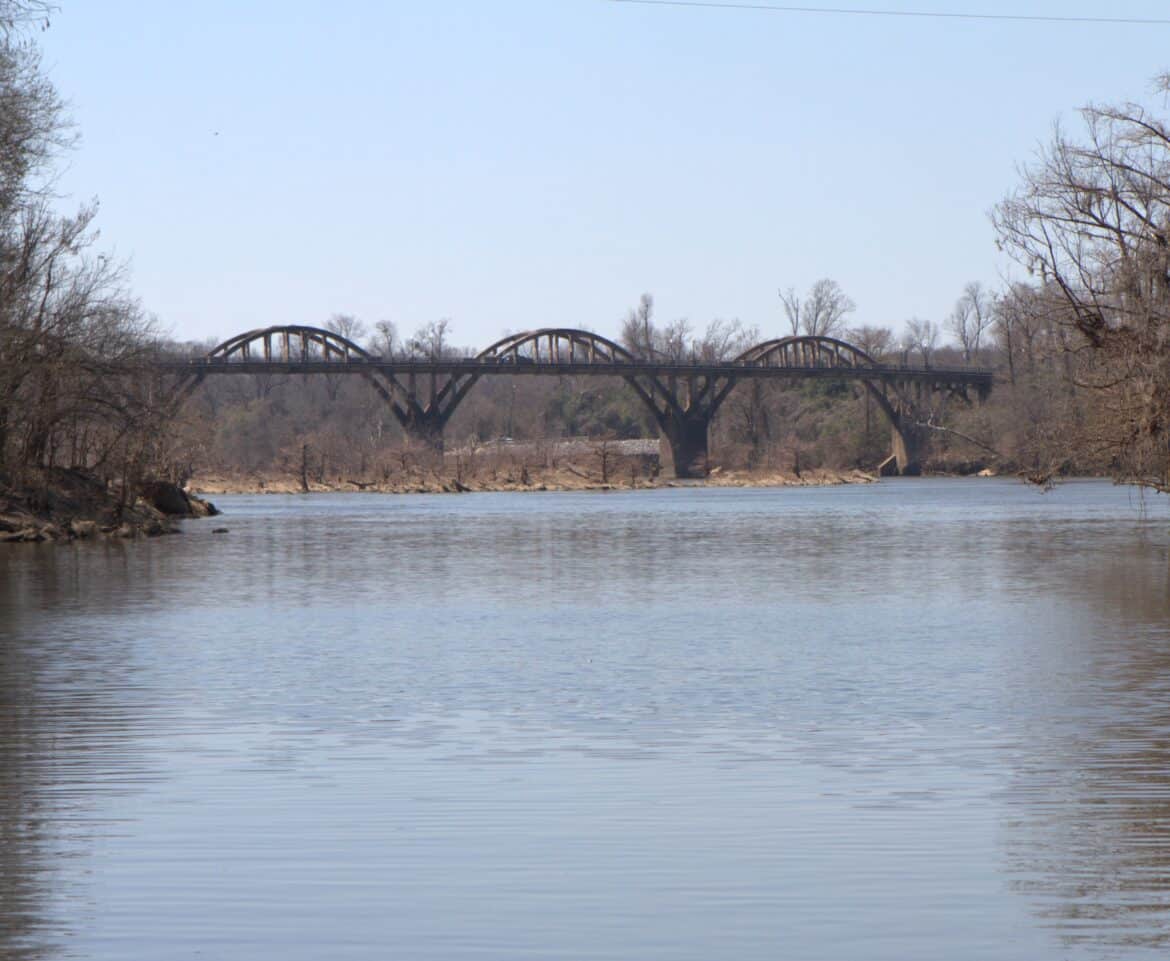
In 1931, the current Bibb Graves Bridge was completed as part of a joint state and county project. Designed by Danish engineer Edward Houk and named after then-Governor Bibb Graves, the concrete rainbow arch bridge quickly became one of Wetumpka’s defining landmarks.
More than 90 years later, it still stands at the center of downtown life. The bridge has survived changing traffic, floods, growth, and even Hollywood attention through its appearance in Big Fish.
Today, most people crossing the Bibb Graves Bridge probably aren’t thinking about tolls, ferries, lanterns, or covered wagons. They’re just trying to make it across town before the next red light. It’s easy to overlook when you see it every day, but the Bibb Graves Bridge carries nearly two centuries of Wetumpka history with it.