Kaylee Simons
Elmore Autauga News
When a parent is incarcerated, the sentence rarely ends with just one life. It’s a question most people don’t stop to ask, but one that quietly affects families across the country and here at home. What happens to the children left behind?
For some, the answer is a patchwork of temporary care, extended family, or foster placement. For others, it can mean instability, uncertainty, and the risk of falling into the same cycles that led their parents away. In Wetumpka, one place has spent decades stepping into that gap, not to replace families, but to preserve them.
Adullam House was founded more than 30 years ago by Pete and Angie Spackman, who were originally brought from Great Britain to minister inside prisons in Alabama and abroad. While working with incarcerated men, the couple became increasingly aware of the children on the outside, often unseen, often overlooked, and deeply impacted by circumstances beyond their control.
What began as a calling inside prison walls quickly shifted focus. The Spackmans saw a pattern they couldn’t ignore. Without intervention, many of these children faced the same paths as their parents. That realization turned into action, starting inside their own home, where they began caring for children who had nowhere else to go.
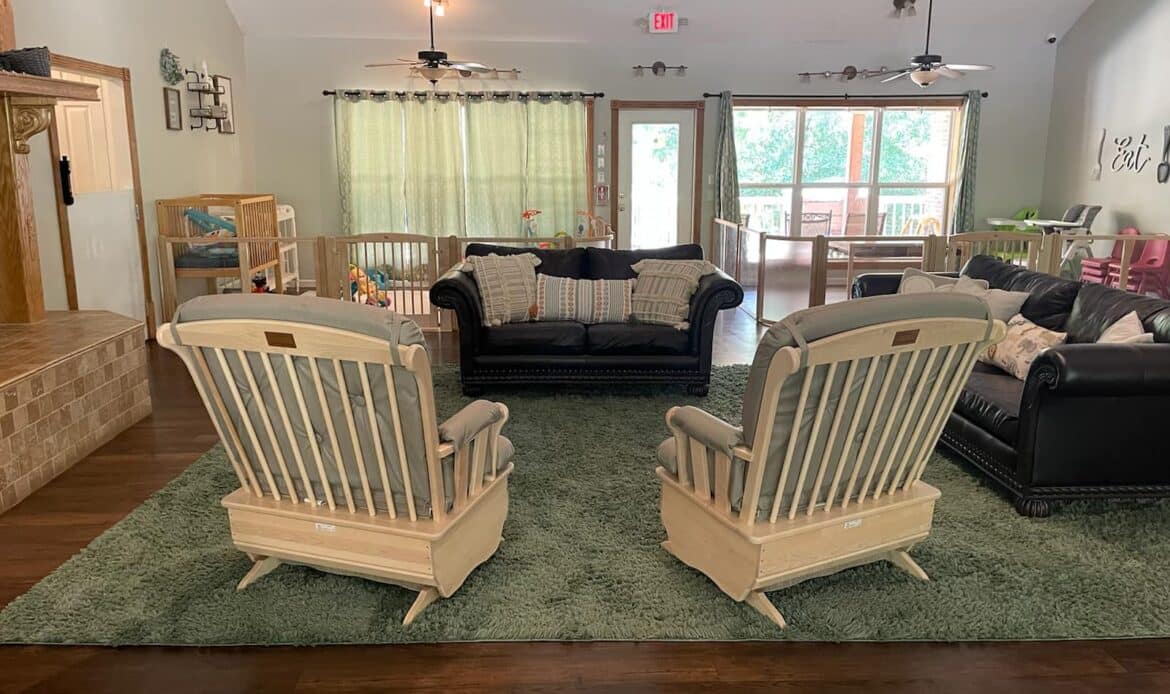
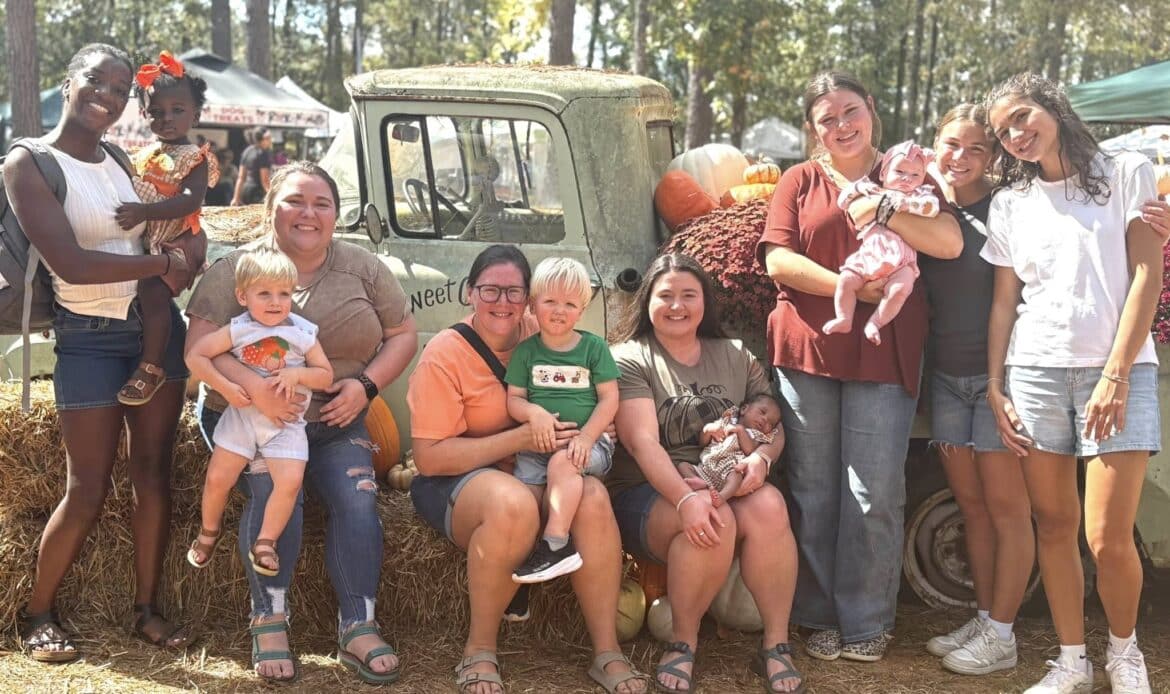
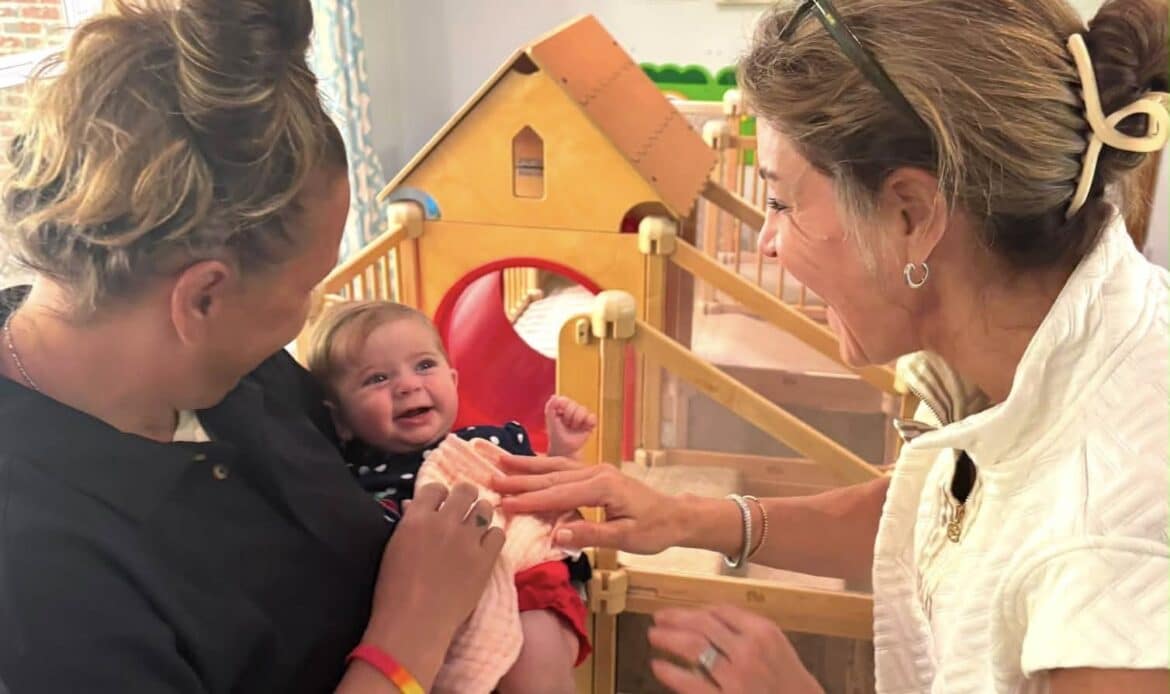
As the need grew, so did the mission. What started in a single household expanded into a dedicated campus in Elmore County, built over time through donations, volunteer labor, and community support. Today, the property spans dozens of acres and includes multiple homes, a nursery, and an on-site academy, all designed to provide stability for children from infancy through their teenage years.
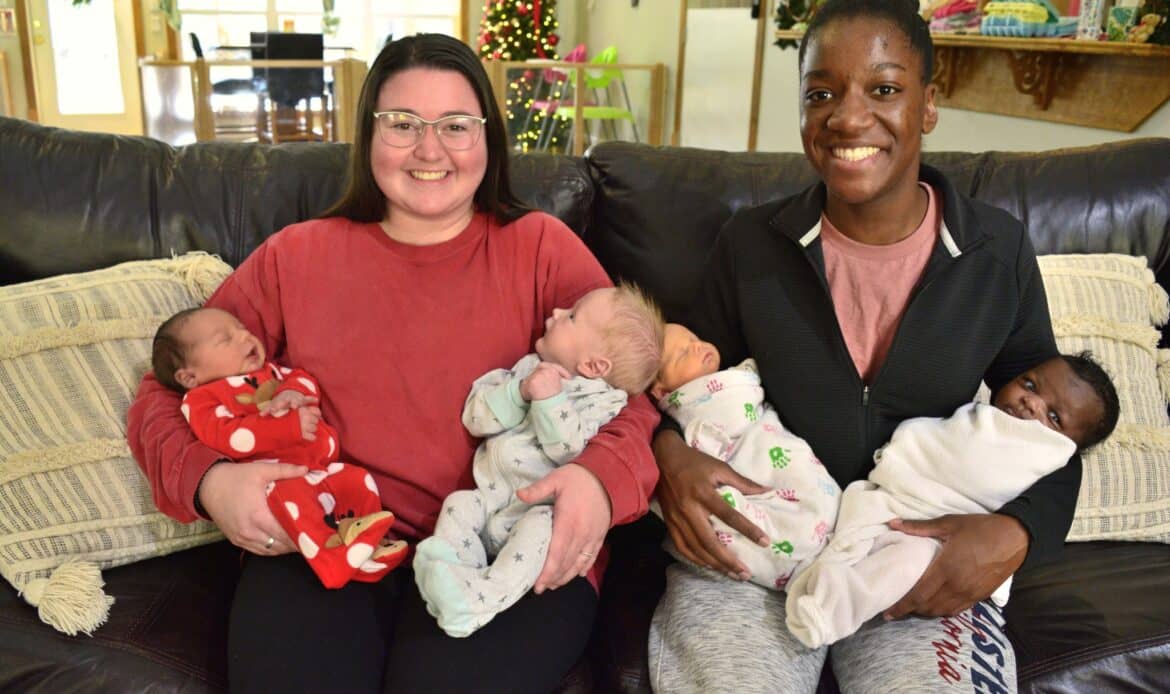
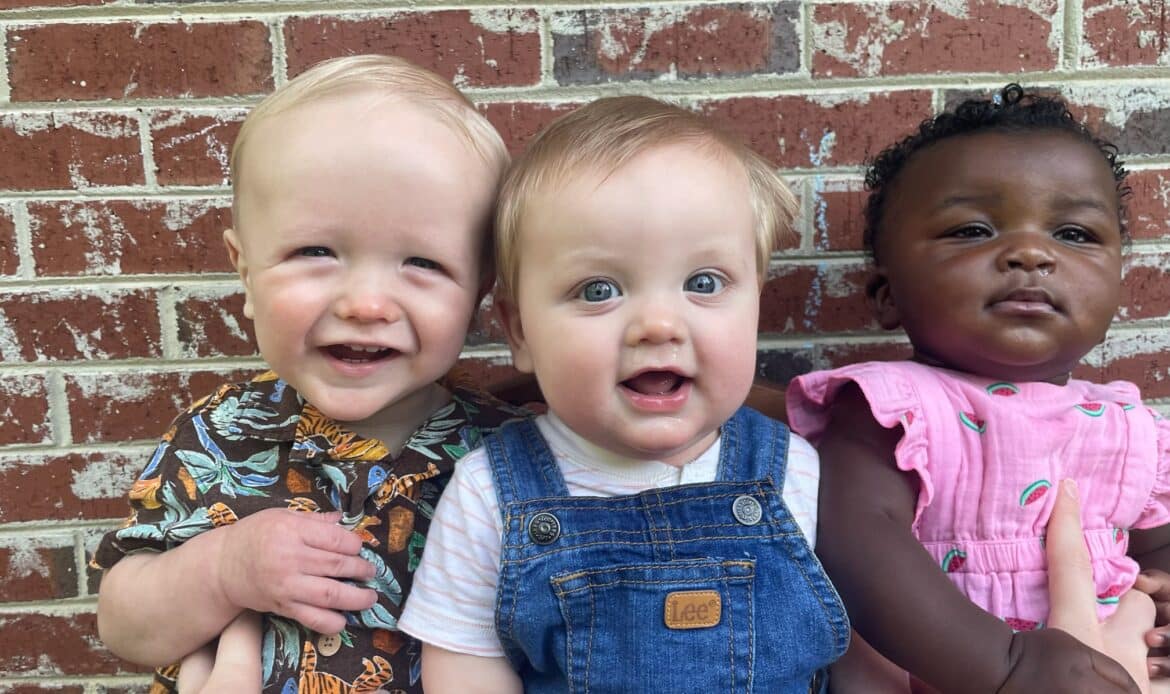
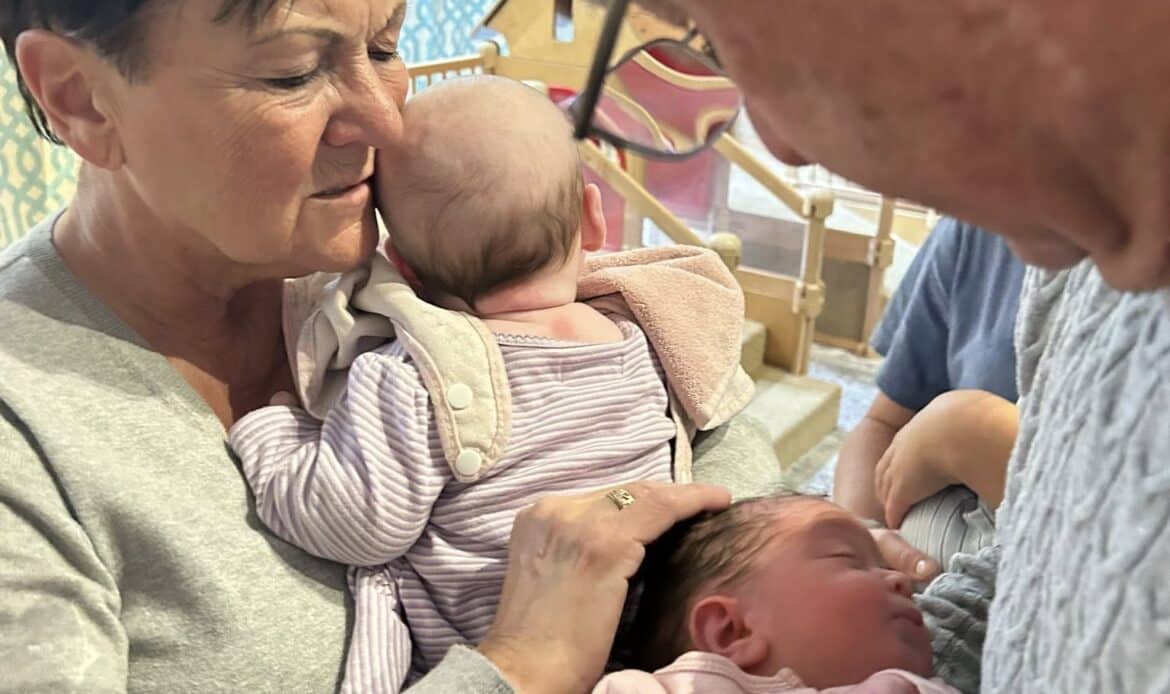
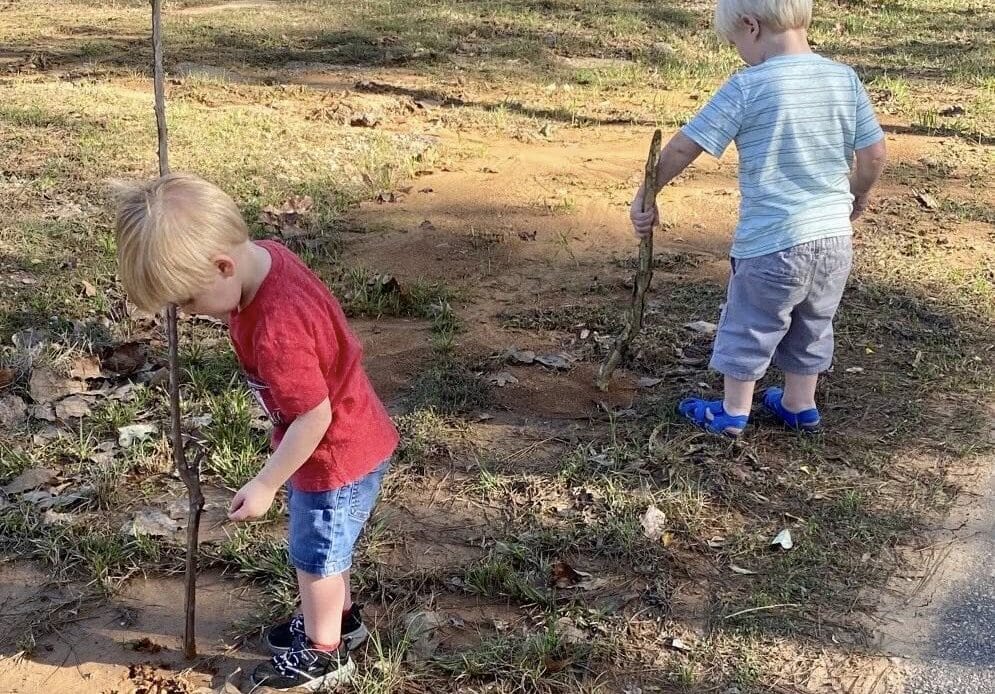
Life there is intentionally structured to feel as normal as possible. Children attend school, build friendships, and spend their days doing the kinds of things most kids take for granted, riding bikes, playing sports, swimming, and simply having space to be children. For infants, care focuses on consistency and nurturing, creating an environment where they can grow and develop in a setting built around safety and attention. But at the core of the work is something deeper than daily routine. The goal has never been to take the place of a parent. It is to protect that relationship until it can be restored.
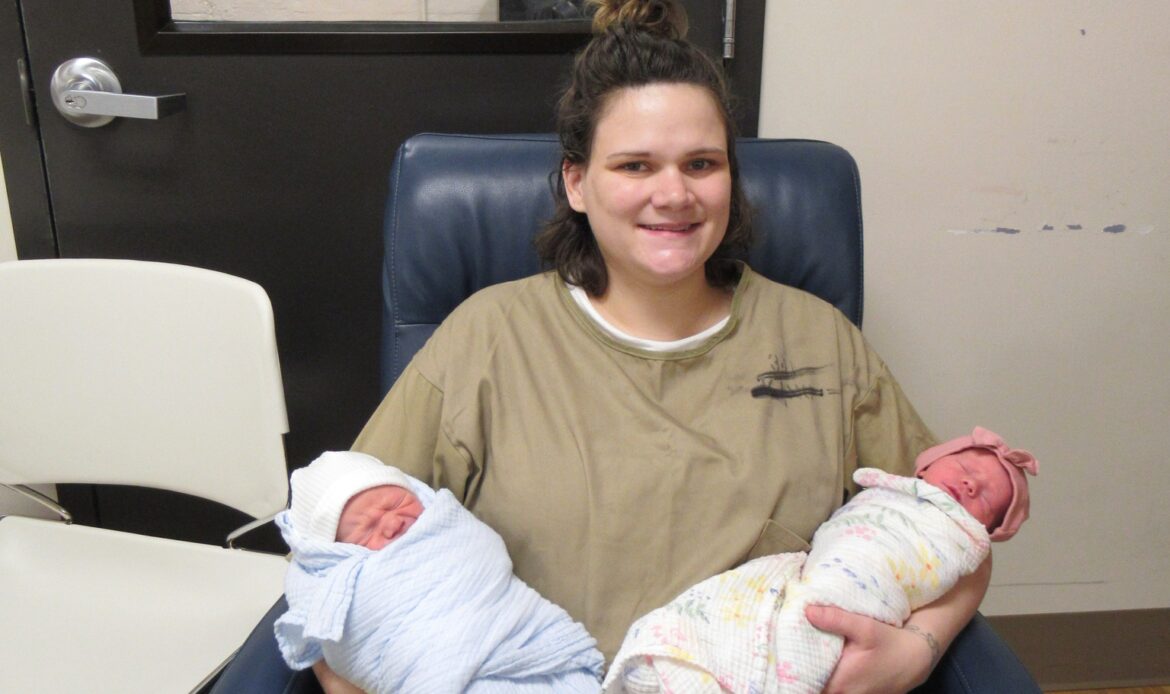
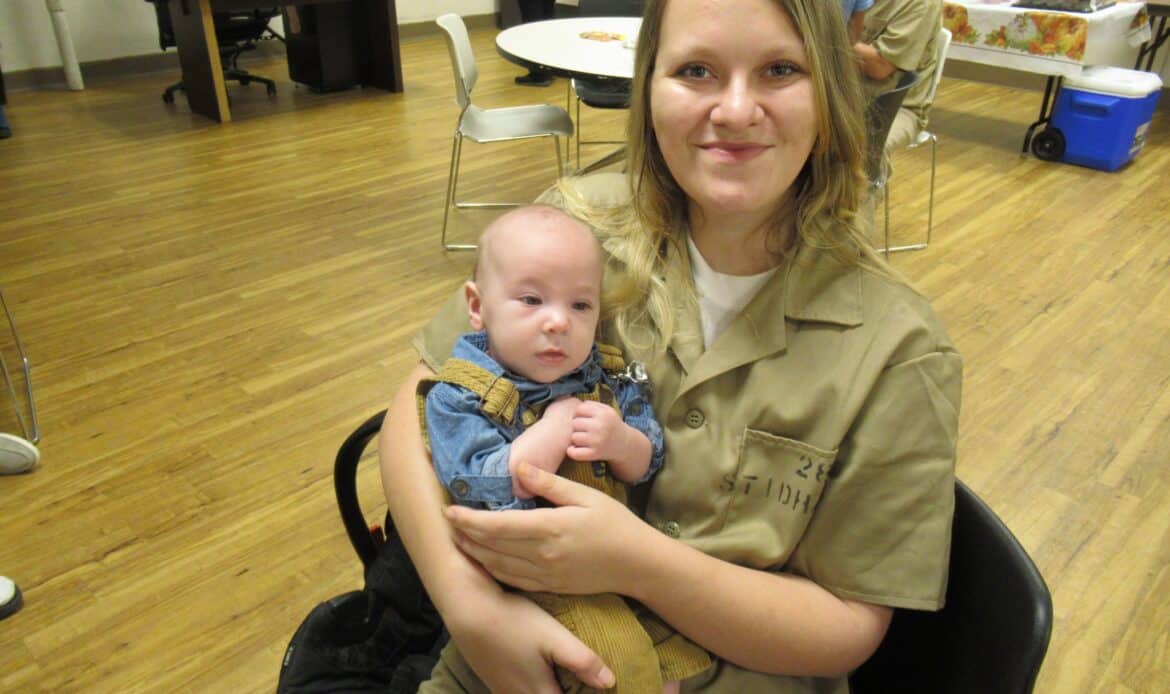
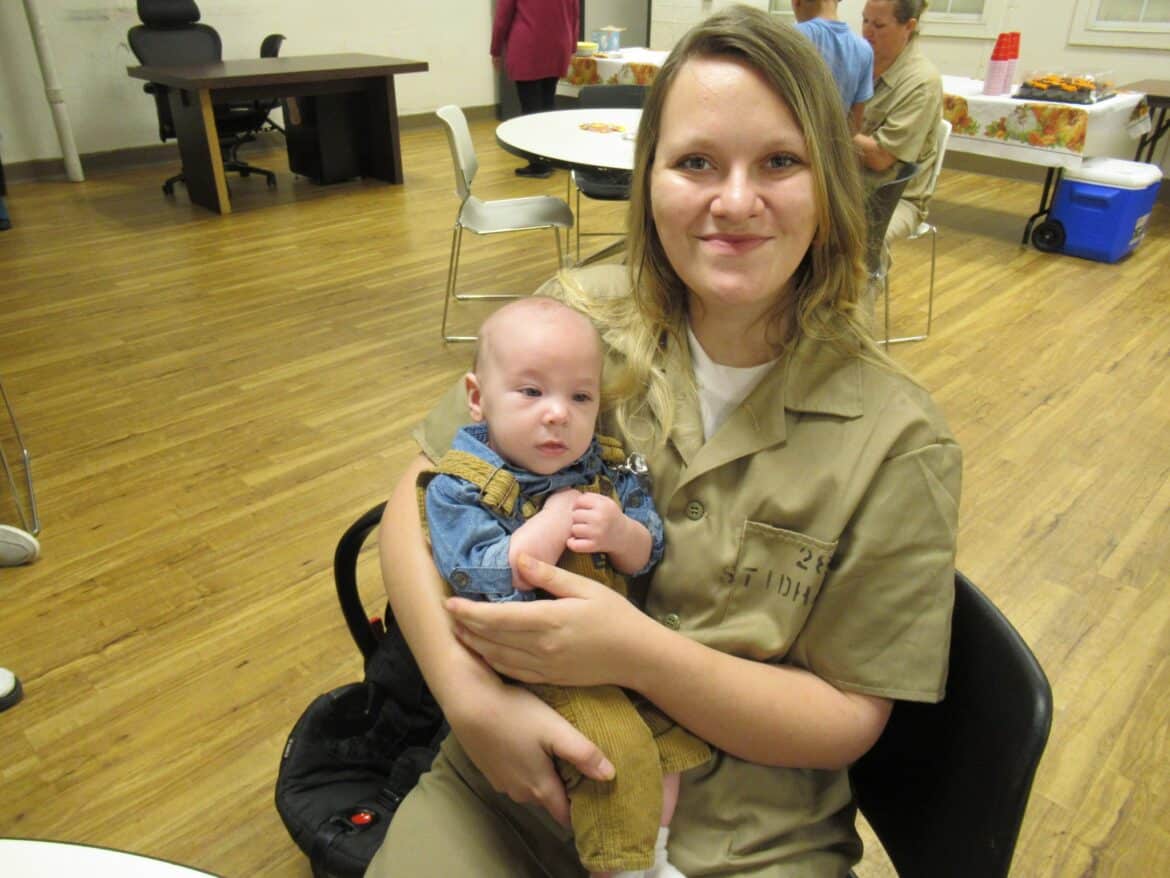
For many mothers, one of the greatest fears is not just separation, but the uncertainty of whether that separation will become permanent. Staff at Adullam House work to ease that fear by maintaining consistent communication, providing updates, and creating opportunities for connection, including regular visits that allow families to stay bonded even during incarceration. Reunification is not just an outcome. It is the intention.
Each child’s situation is different. Some stay for short periods of time, while others remain longer, depending on their family circumstances. Many arrive carrying the weight of poverty, neglect, or instability. What they find instead is structure, care, and a chance to experience something steady.
That support extends beyond the campus itself and into the surrounding community. Just next door to their main office, a 10,000-square-foot thrift store operates as both a funding source and a resource for local families.
The store provides a place for residents to donate, shop, and volunteer, while also serving those facing hardship, including families impacted by house fires, severe weather, or other difficult circumstances. All proceeds are funneled directly back into the organization’s work, supporting children in Wetumpka while also extending care to outreach efforts across Alabama and internationally.
Emma Hamby, manager of the thrift store, said the operation plays a direct role in meeting the needs of children both locally and abroad.
“The thrift store is a busy hub of activity,” Hamby said. “It provides an easy drop-off location for all kinds of donations for our children, from diapers, wipes and baby supplies to school supplies. These are all transported to the children, and our gently used items are sold to support their needs both locally and internationally.”
Hamby added that the store also serves as a consistent point of support for individuals and families in the community facing difficult circumstances.
“Every week we are given opportunities to meet needs within our immediate community,” she said. “From clothing and household items to helping families in need, single mothers and grandparents raising grandchildren, we do our best to meet each need that walks through our doors.”
Emma Willis, a sales associate at the thrift store, said the organization’s impact is felt not only by the families it serves directly, but by the broader community as well.
“It’s important because we’re able to help families who are going through really difficult situations, especially parents who may not have anyone to care for their children,” Willis said. “It also brings people together. We have volunteers who come in to serve, and regular customers who support the mission, and it creates a strong sense of community. It’s just a very loving environment, and I think that’s something every community needs.”
Over the years, the home has continued to operate, relying instead on volunteers, donations, and community involvement to sustain its mission. That work often happens quietly. There are no headlines for the day-to-day moments, the meals, the school mornings, the visits that matter more than anything else. But the impact stretches far beyond the property itself, reaching into families, futures, and a part of the community that often goes unseen.
Because when a parent’s sentence ends, the story isn’t supposed to end with it. And in a place built on the idea of refuge, the goal has always been the same, to make sure families still have something to come back to.