
Addie McCluskey
Elmore Autauga News
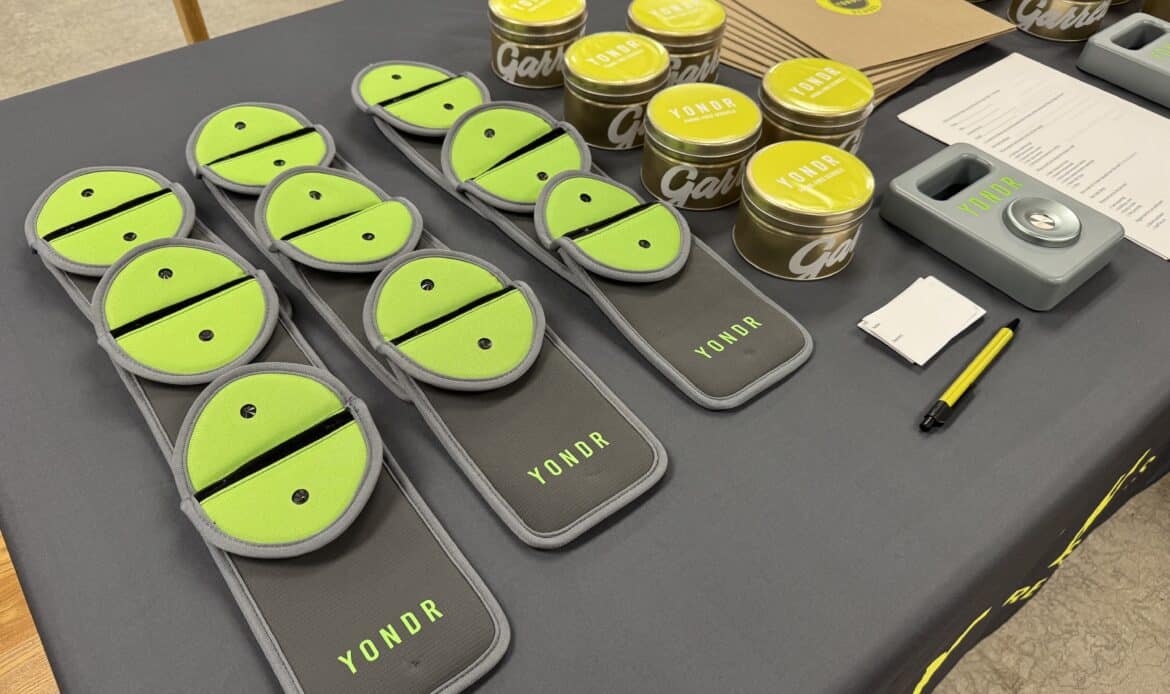
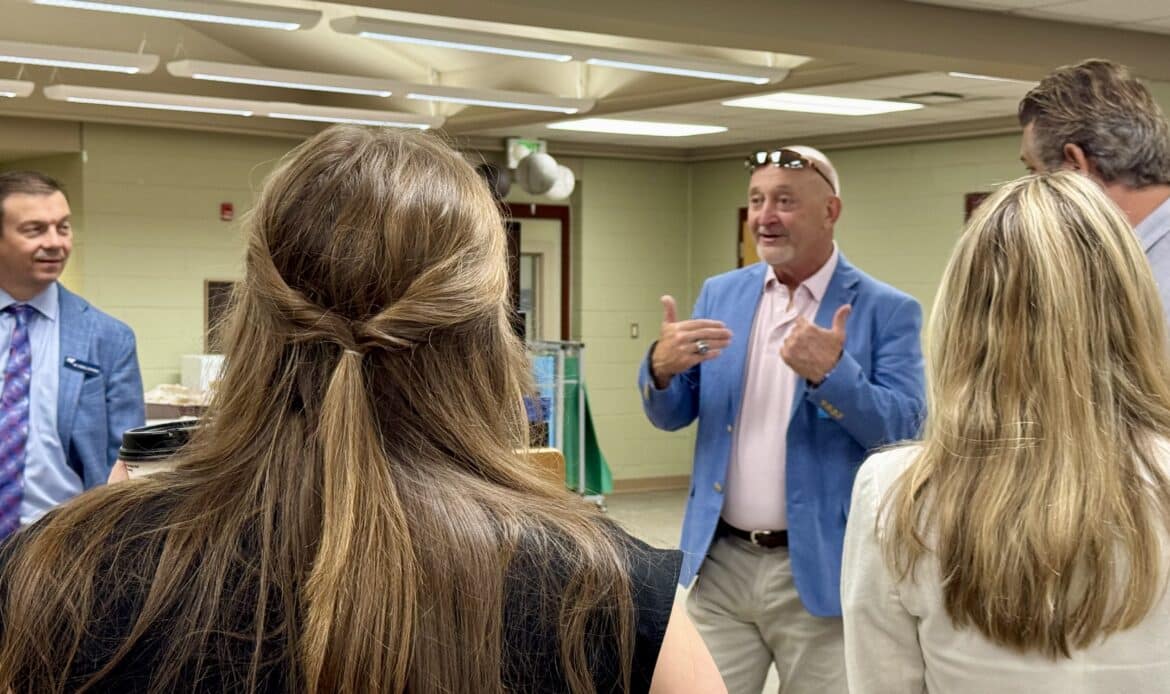
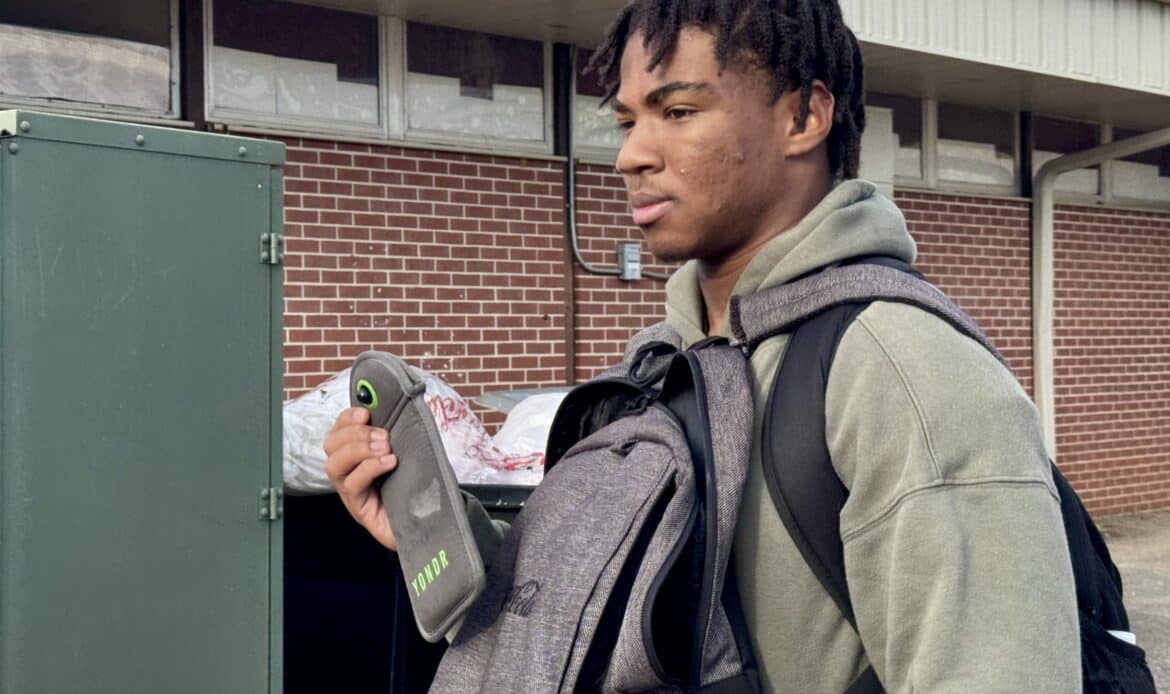
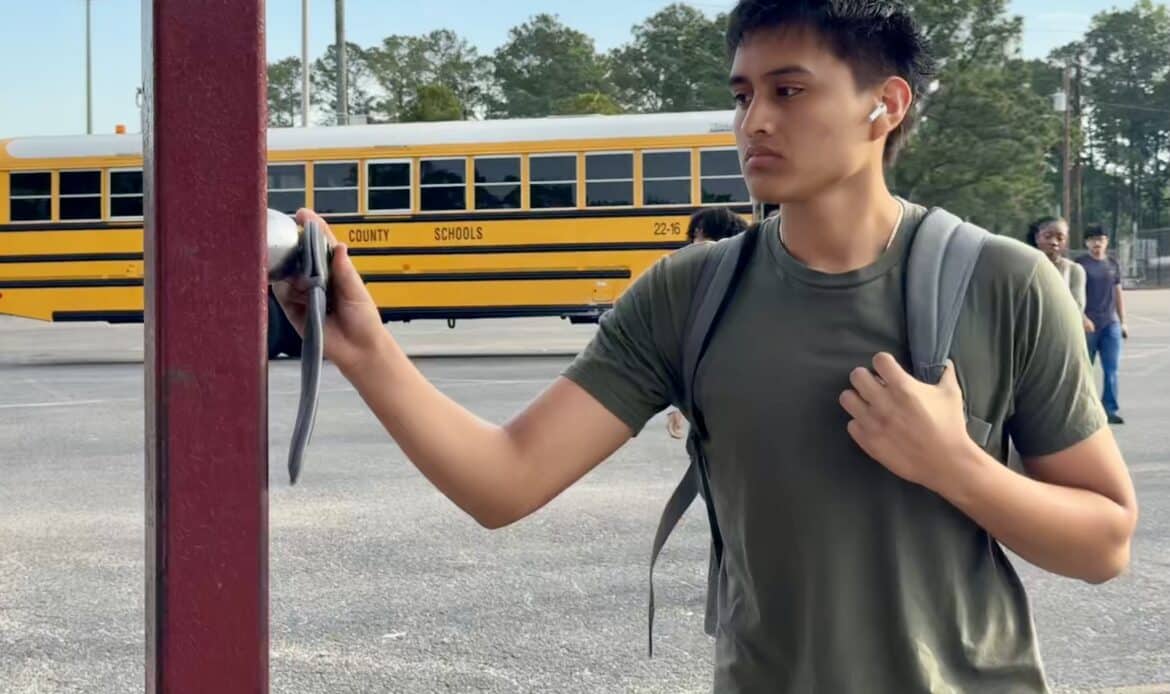
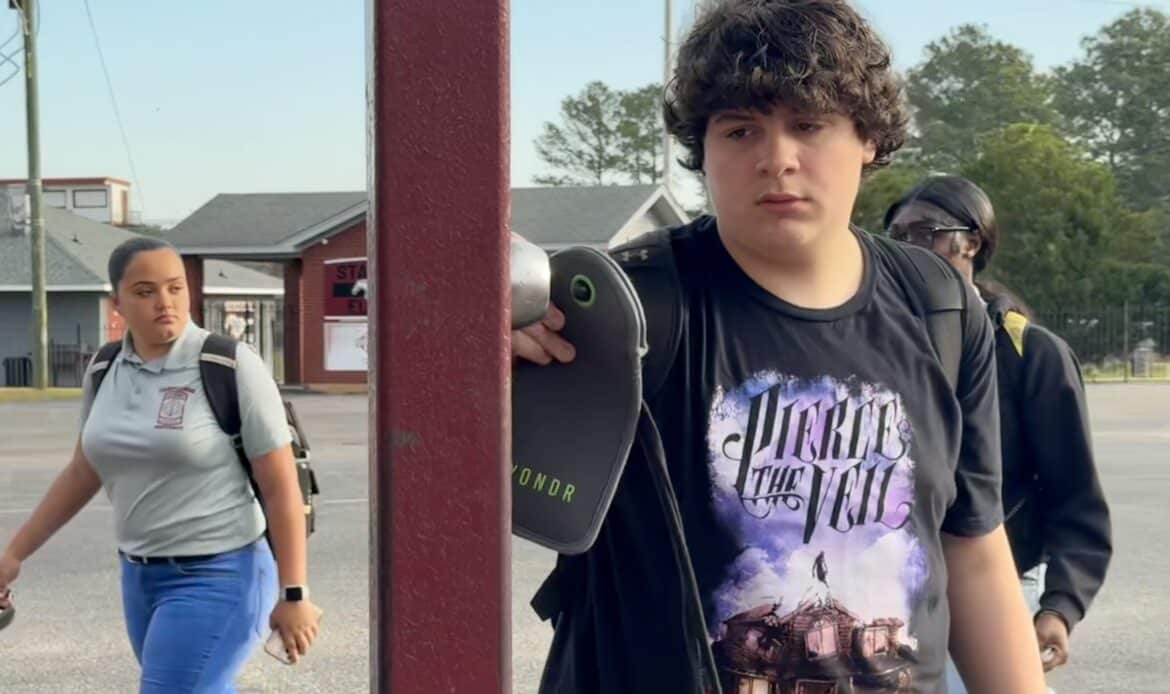
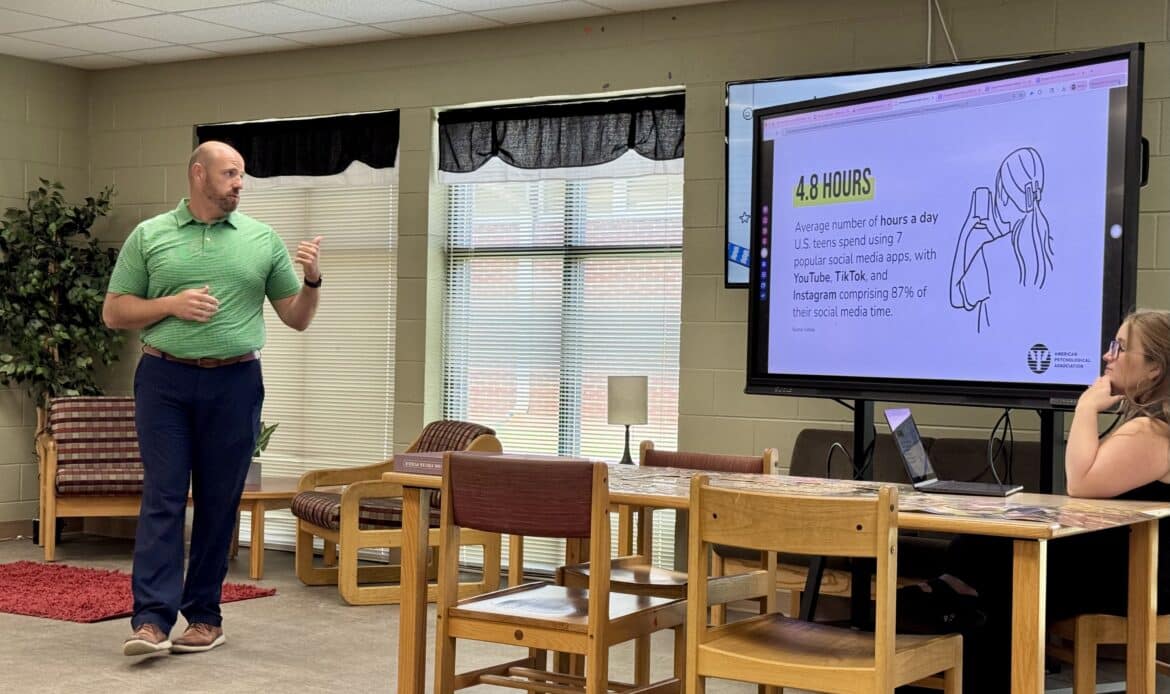
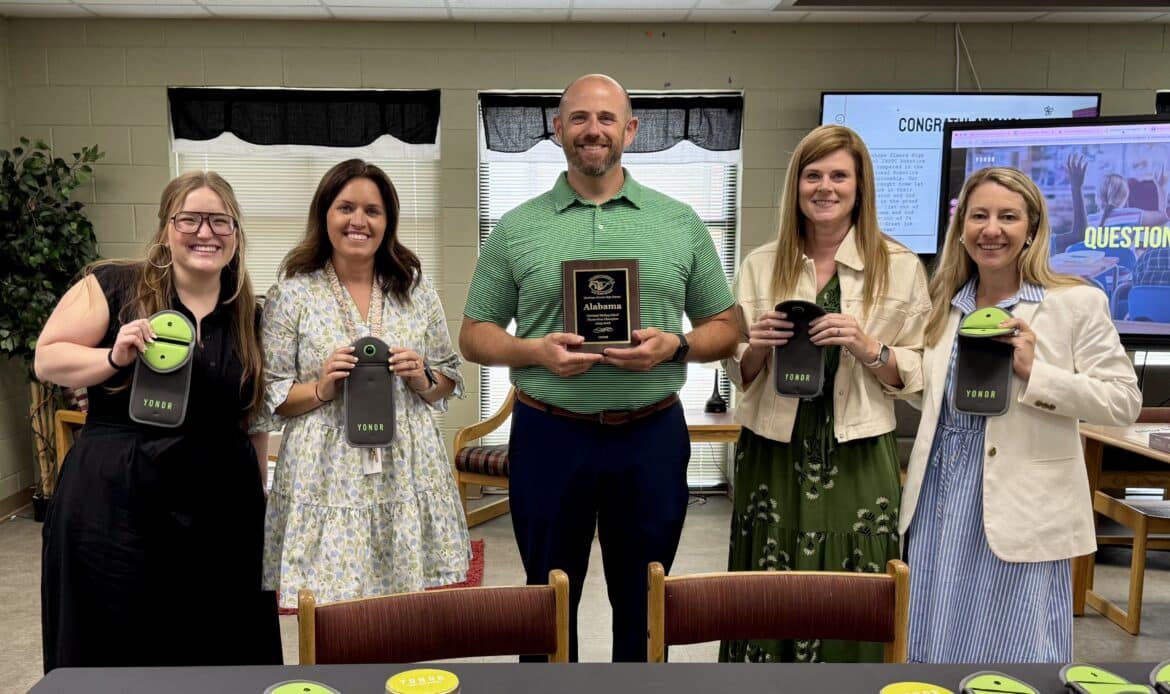
Representatives from Yondr, a phone-free program aimed at improving connection, focus, and creativity among students, visited Stanhope Elmore High School (SEHS), April 22, 2026, to recognize it as the first in Alabama to implement the program.
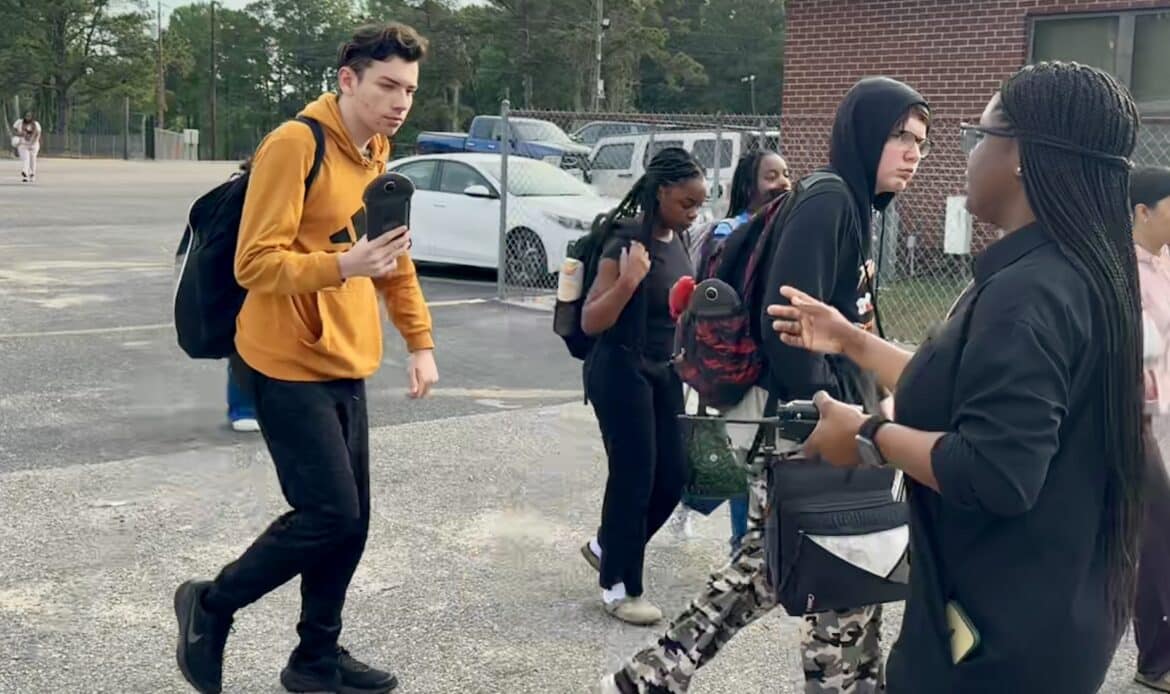
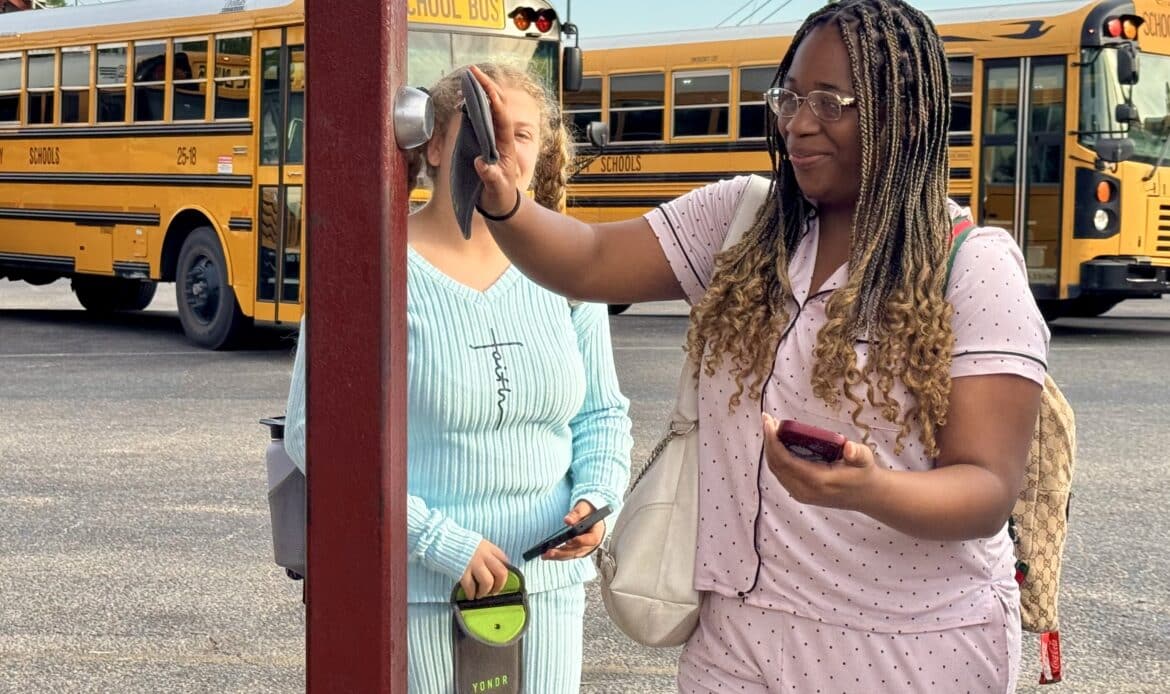
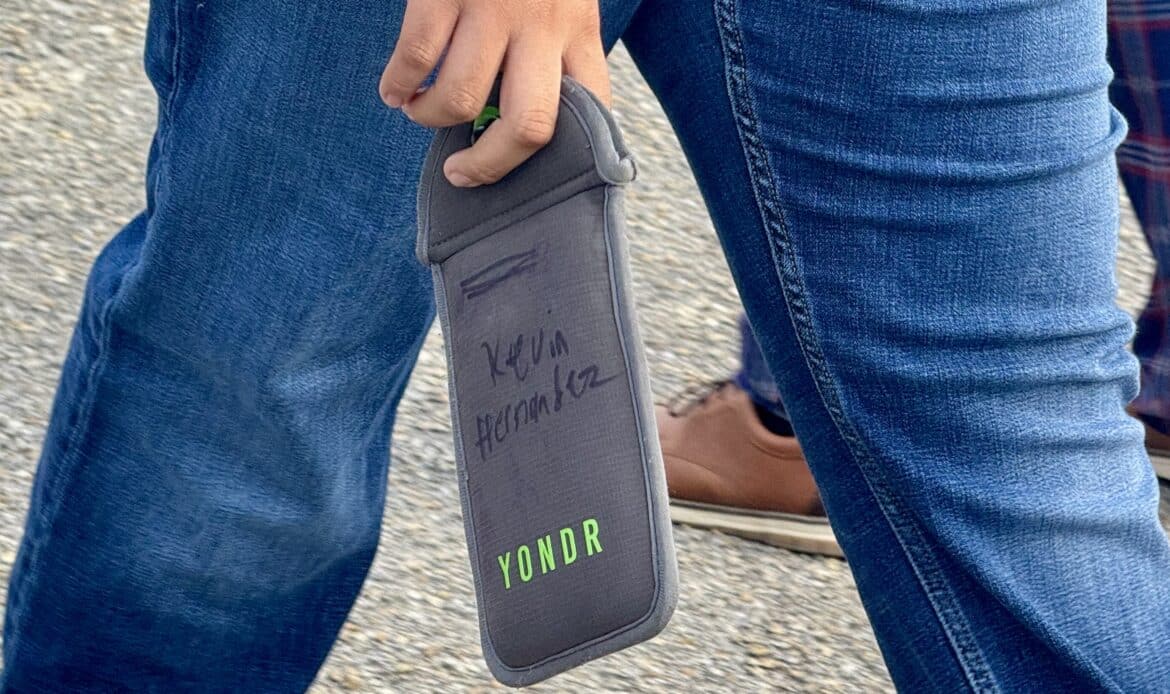
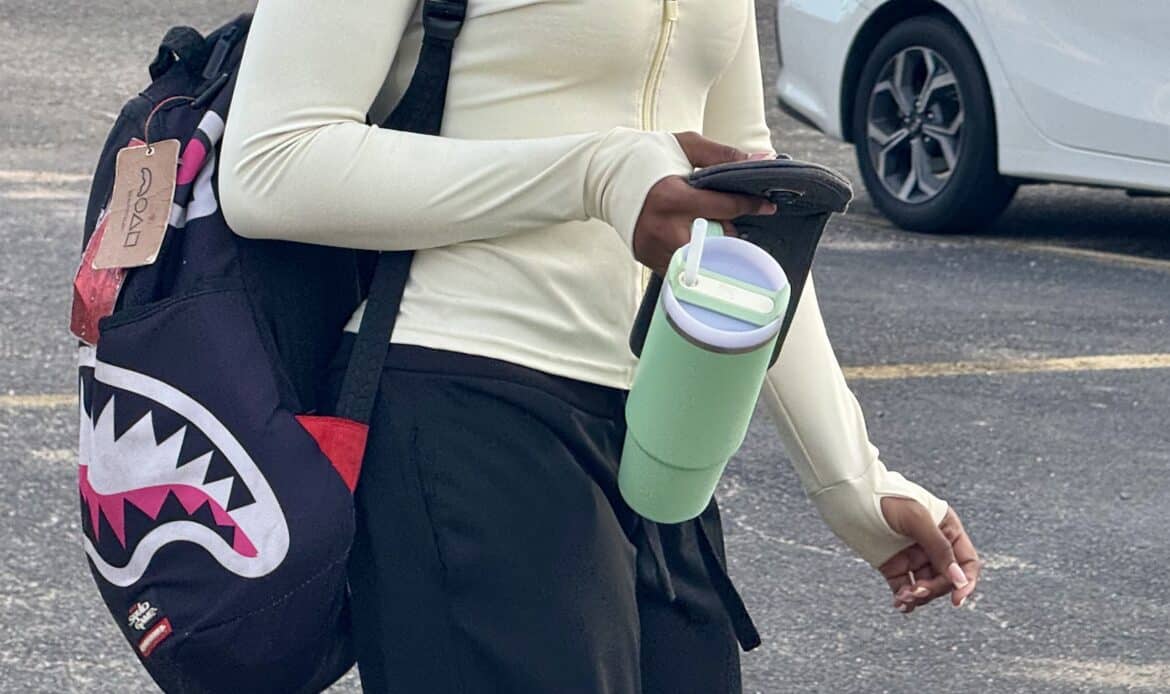
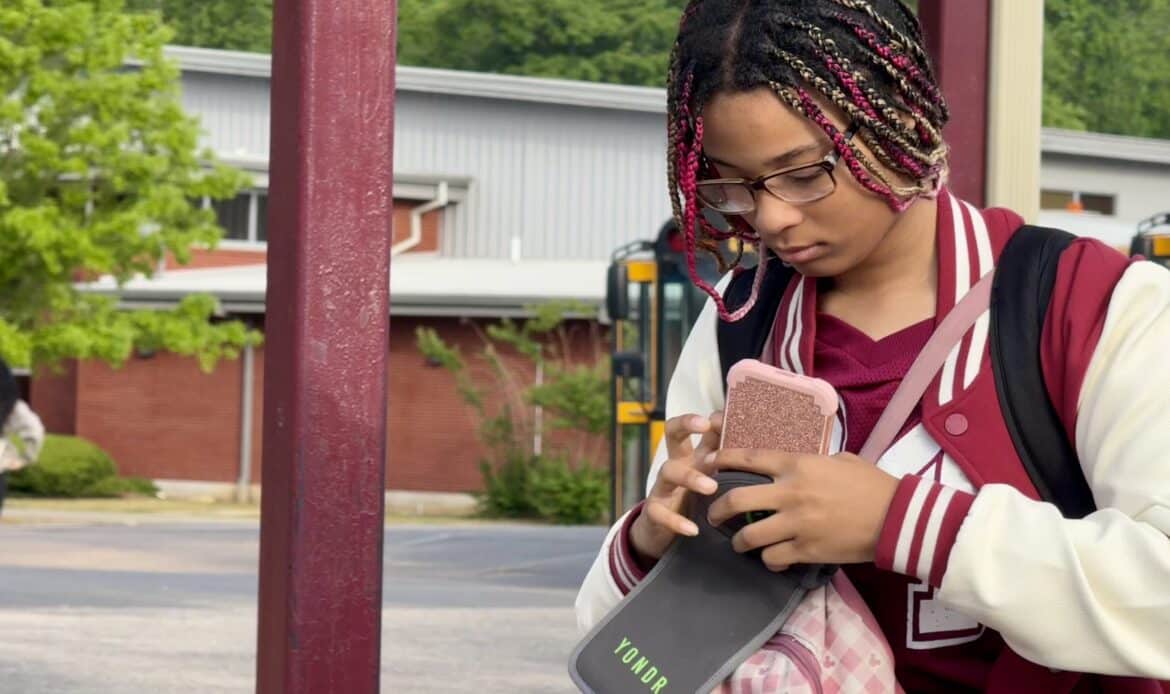
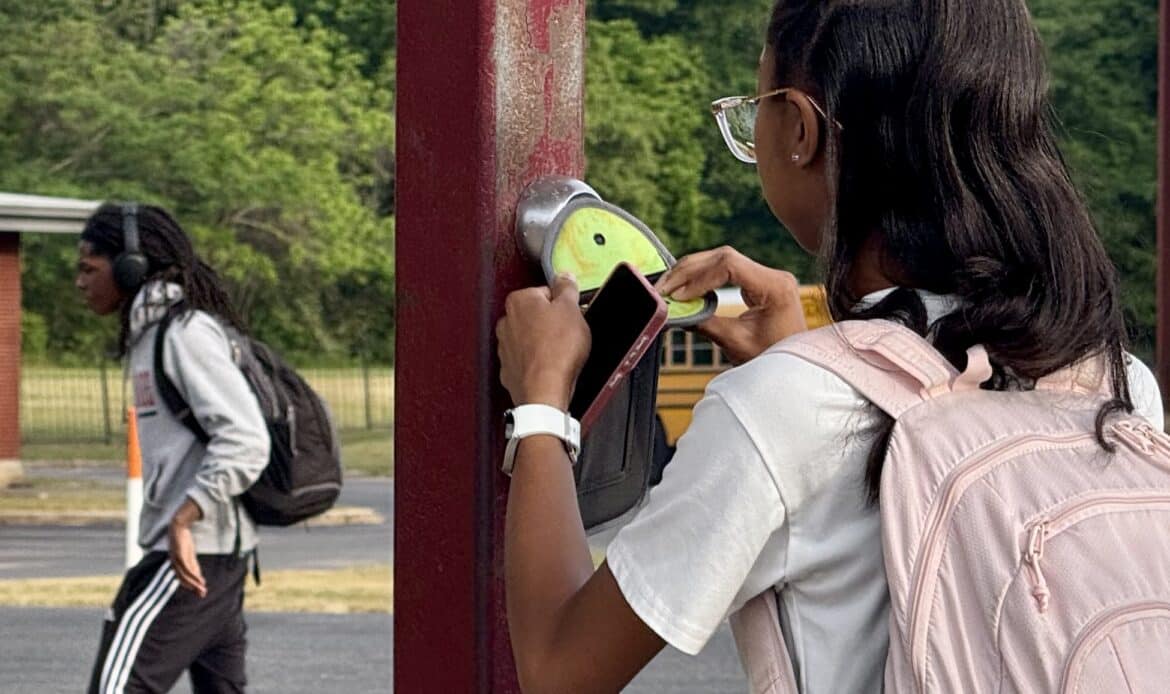
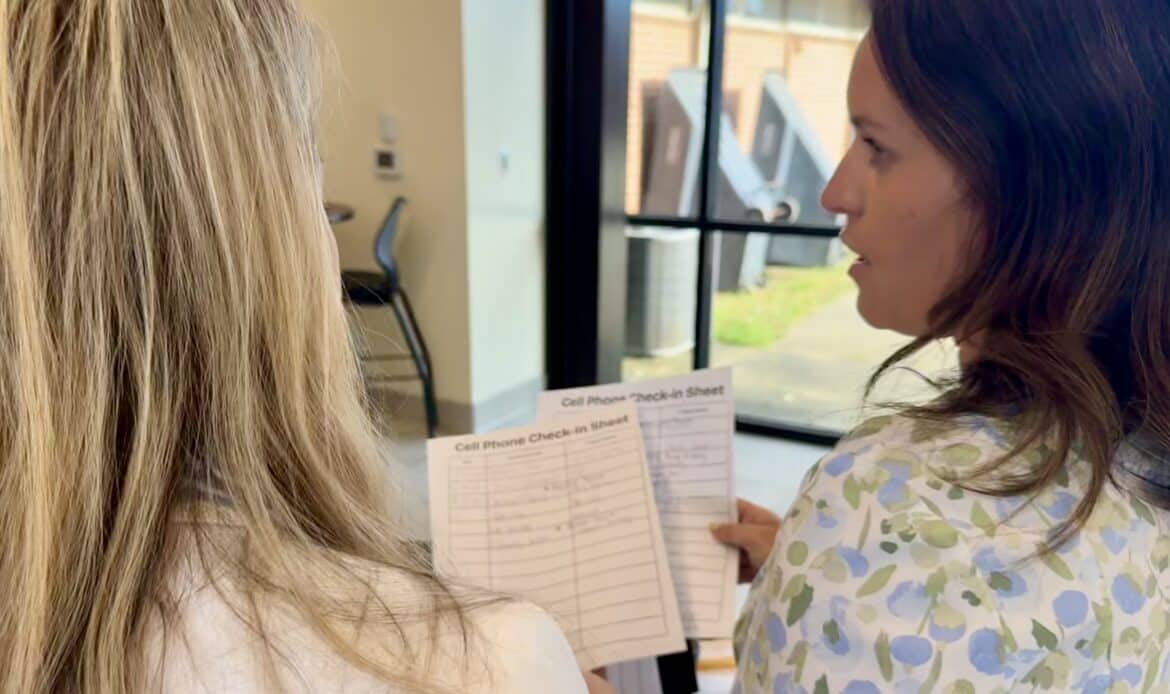
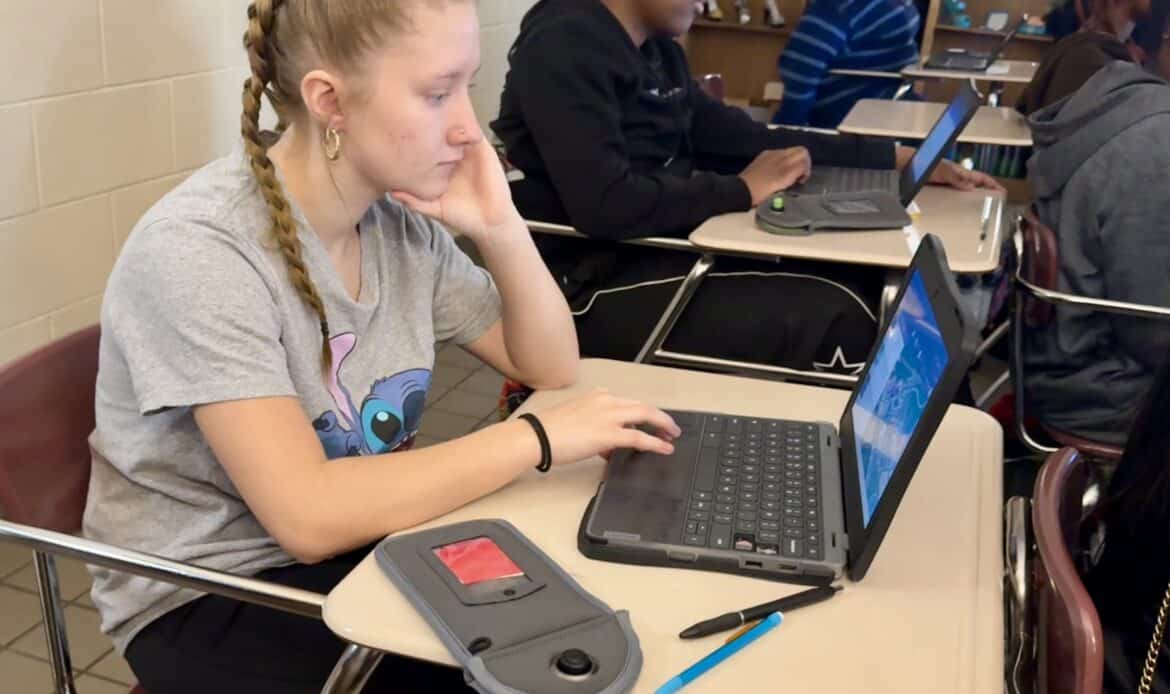
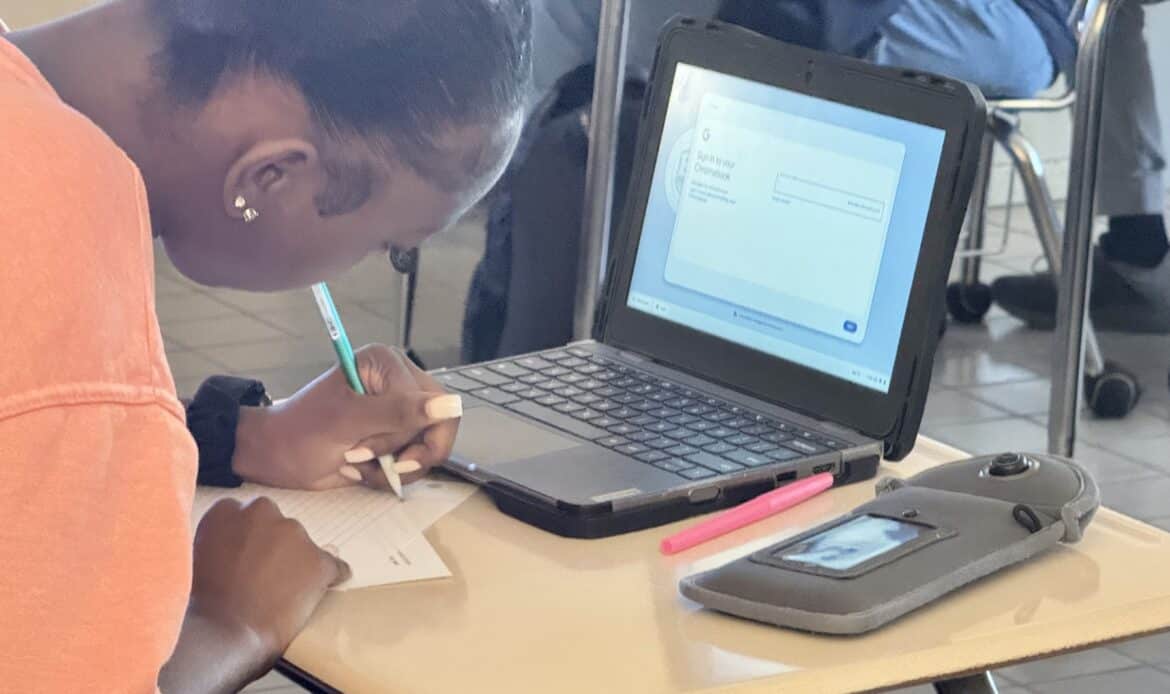
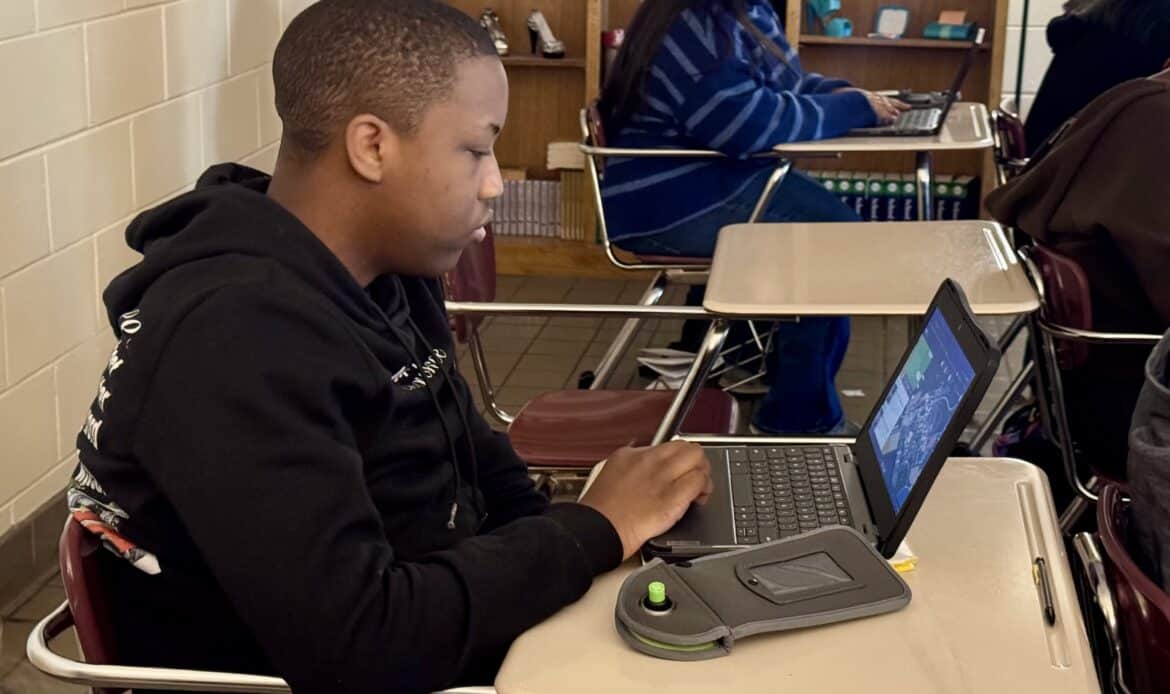
SEHS implemented its Yondr pouch policy in 2022, requiring all students to lock up their phones upon arriving on campus and to show proof of their pouch before entering the building. Those who have lost or forgotten their pouch must check their phones in with Assistant Principal Heather Perdue—a temporary measure, as students are required to purchase another pouch if they cannot locate their school-issued one. What once felt like a major adjustment has since become second nature for students and staff, largely due to the leadership of Principal (Ret.) Ewell Fuller.
“To be honest, there was a lot of child pornography, and I had a lot of students getting arrested out of the office in handcuffs, videoing teachers, and all kinds of things because of their phones,” said Fuller. “The pouches were a nuisance for students at first, but over time, it just became a part of their routine.”
Fuller referenced an incident during his tenure in which a student was unknowingly videoed in the bathroom and later bullied online, prompting the student’s parents to push the school to take stronger action. Fuller said that moment ultimately led him to seek a new approach to managing cell phone use, which is when he discovered Yondr. Wes Dunsieth, former assistant principal and current principal, fully supported the idea.
“We knew the biggest hurdle would be getting full support, but our board and central office backed us up 100%, and that’s what it takes,” said Dunsieth. “It has to be implemented and supported from the top down. There can’t be anyone wavering or receiving special treatment.”
Dunsieth explained that the pouches make it more obvious when students are using their phones. If a student has their phone out, their teacher is required to contact administrators to address the incident, removing the burden from teachers and minimizing classroom disruptions. Administrators also visit classrooms throughout the day to conduct random pouch checks, reinforcing the policy and supporting teachers.
With the Yondr pouches in effect, SEHS has seen a decrease in students fighting, skipping class, and failing. Student mental health has also improved, as reduced access to phones allows students to disconnect from the pressures of being online.
“Our school counselor saw a shift in attitude,” said Dunsieth. “She saw fewer students with mental issues or suicidal ideations or things like that because they get to talk, laugh, and connect with those around them. It kind of gives them that break and that breather to just be high school students.”
Because emergency procedures were a common concern early on, Dunsieth noted that in situations such as severe weather or lockdowns, students have been allowed to unlock their phones within minutes. In individual emergencies, students can always use classroom landlines to call 911 or the office phone to contact home. With no other concerns about the pouches brought forward, Superintendent Richard Dennis praised SEHS for their work.
“This is something that the leadership at this school pursued, and that’s the reason they have it,” said Dennis. “I hear about what takes place at other schools in the county and how students are finding ways to use their phones, and I think this is a huge, huge step. I commend the administration at SEHS for having the fortitude to stick it out.”
For previous coverage on this topic, visit New Policy this year at SEHS: No Cell Phone Usage during Class with Help of Yondr Pouch.