Addie McCluskey
Elmore Autauga News
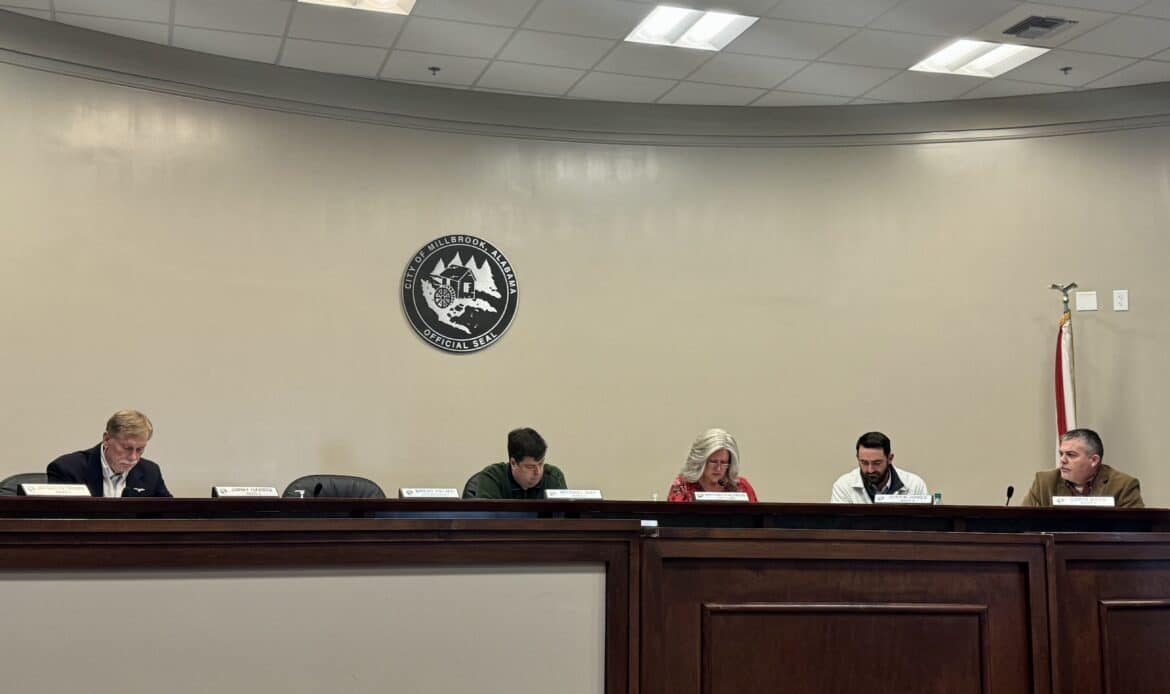
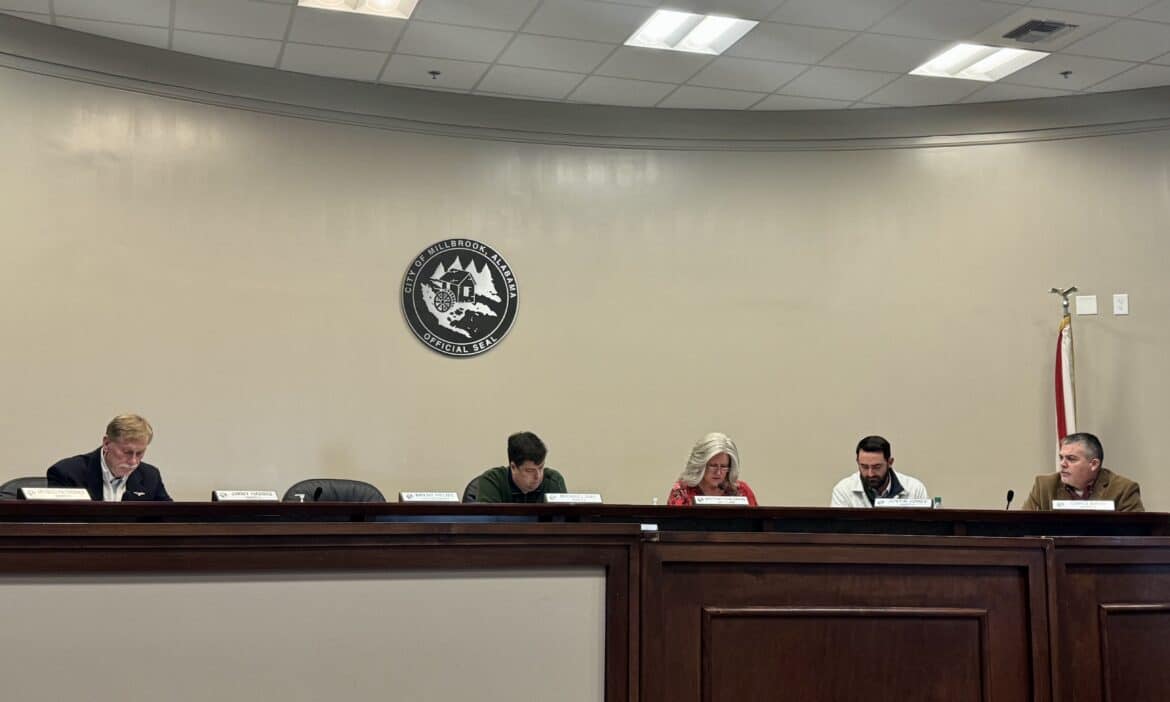
The Millbrook City Council voted during its regular meeting to intervene as a defendant in an ongoing litigation involving the Simplified Seller Use Tax (SSUT).
SSUT allows eligible online sellers to collect, report, and remit a flat 8% sellers use tax on purchases made in Alabama. Of that amount, 4% goes to the state, while the remaining 4% is distributed to local governments. Roughly 60% of the local portion is allocated to municipalities, with the remaining 40% going to counties.
The lawsuit was filed on Aug. 12, 2025, by the City of Tuscaloosa, the Tuscaloosa City School System, and the City of Mountain Brook against the Alabama Department of Revenue. The plaintiffs argue that larger cities should receive a greater share of SSUT revenue because they serve larger populations. They contend that without an increased share, they may struggle to maintain essential services residents rely on.
“Keep in mind that several years ago, this money didn’t exist,” said Millbrook Council President Michael Gay. “It is a significant revenue source for the City of Millbrook, about $1.5 million, which has been a game changer for us over the years.”
On Nov. 10, 2025, the court imposed a 30-day deadline for other interested parties to file motions to intervene in the case. Millbrook proposed a resolution on Dec. 9th to join the litigation, stating that any dismissal or change to SSUT could threaten the city’s ability to maintain its current level of public services.
“I’ve talked to several people about this,” said Millbrook Mayor Al Kelley. “They all agree that we need to jump into this thing to protect our interests because if we don’t, the big 10 cities are going to eat our lunch.”
About 140 cities and towns, along with every county in Alabama, have joined the lawsuit in support of keeping the SSUT structure unchanged. The Millbrook City Council unanimously approved the motion to intervene.
“Joining this lawsuit allows the City of Millbrook to have a chair at the table,” said Gay. “If it does go to court, we will have a say and be able to tell the court what we think about how this affects our community.”