Amanda Pevey
Elmore Autauga News
See Gallery of more photos below.
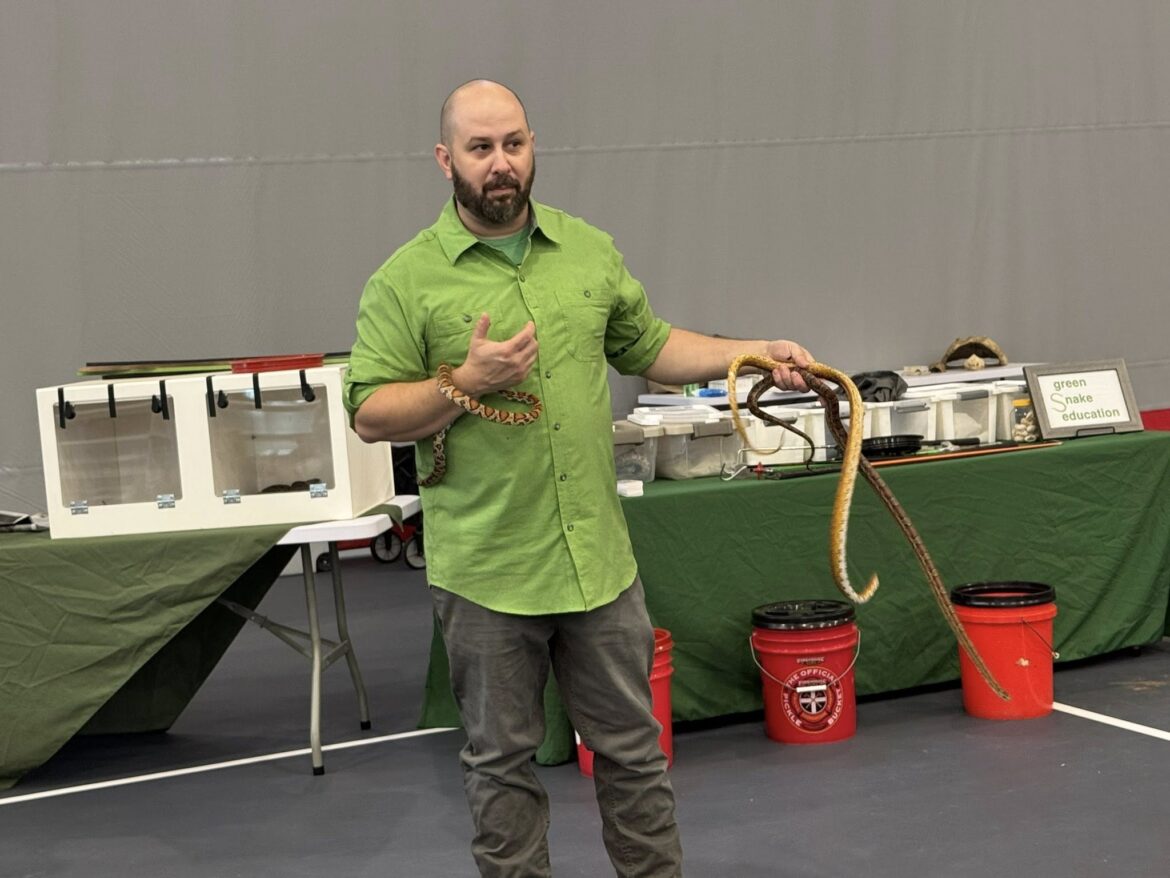
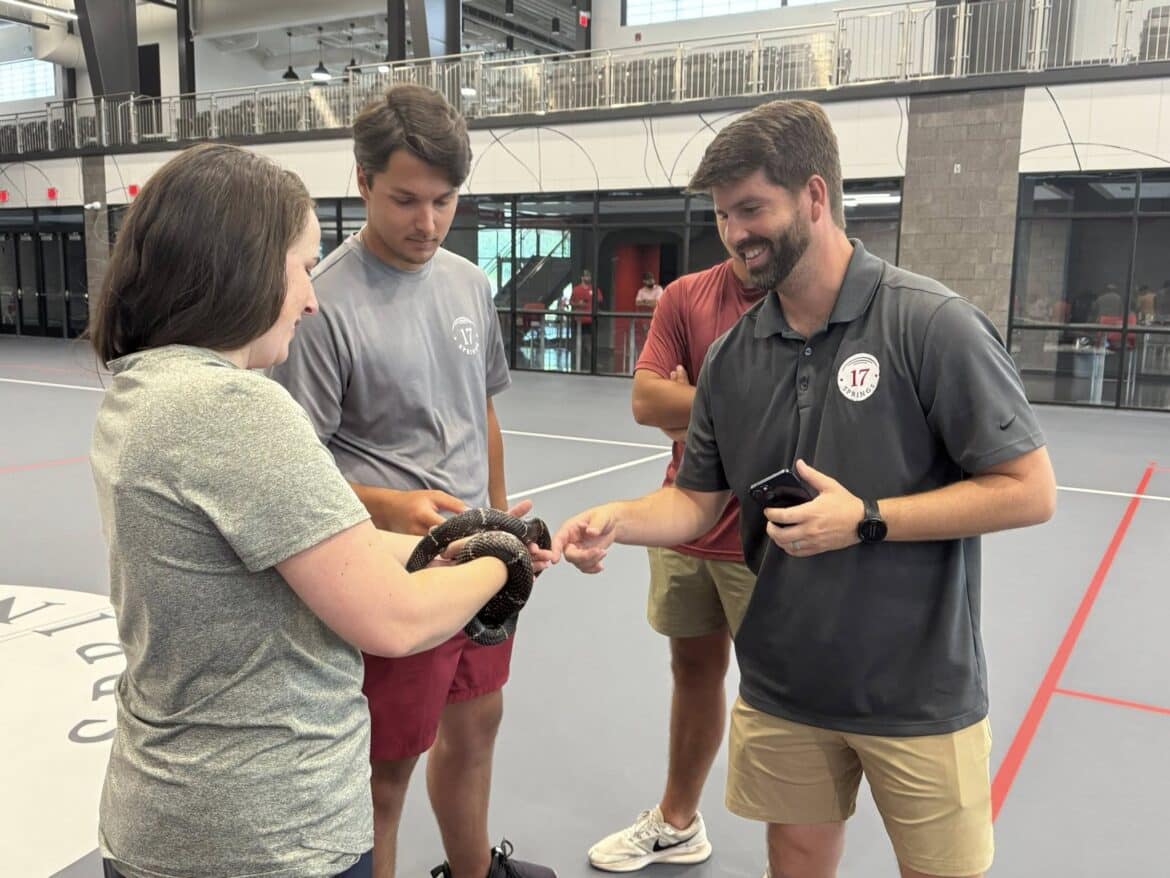
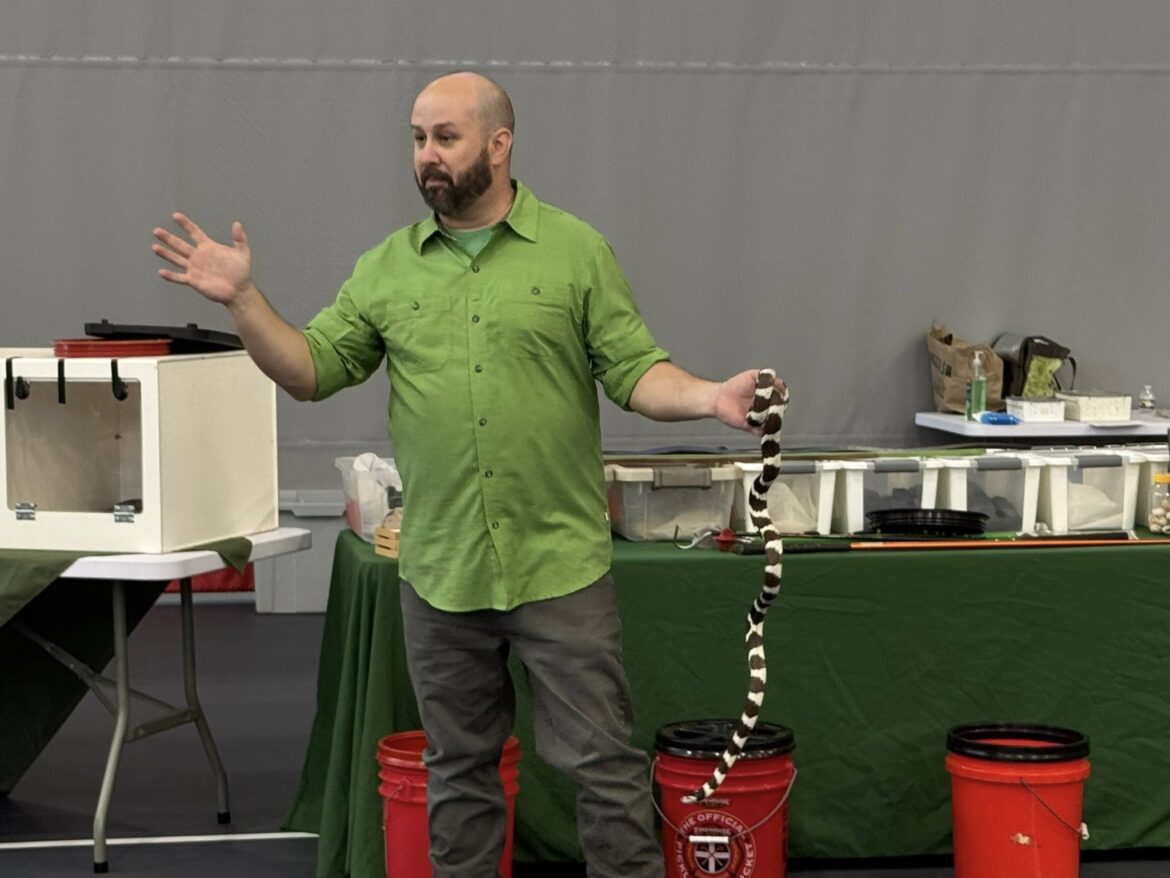
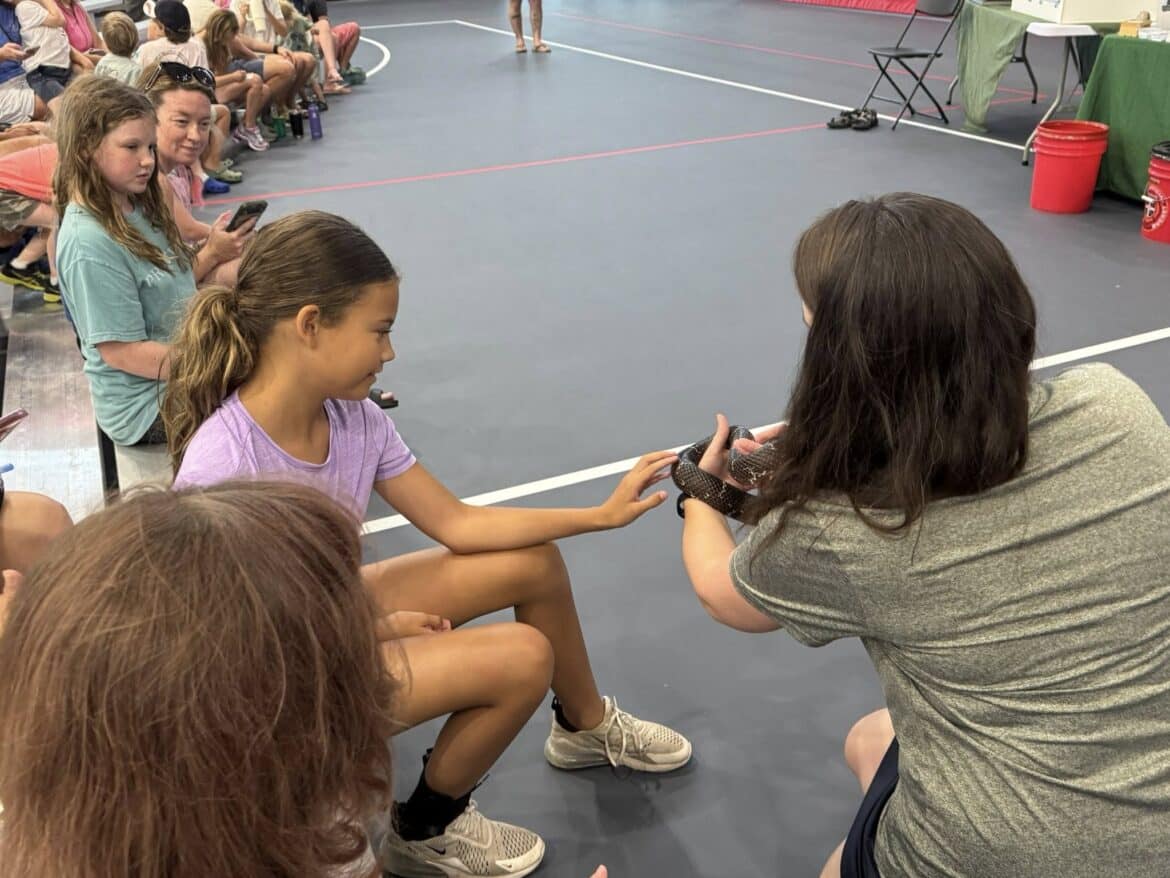
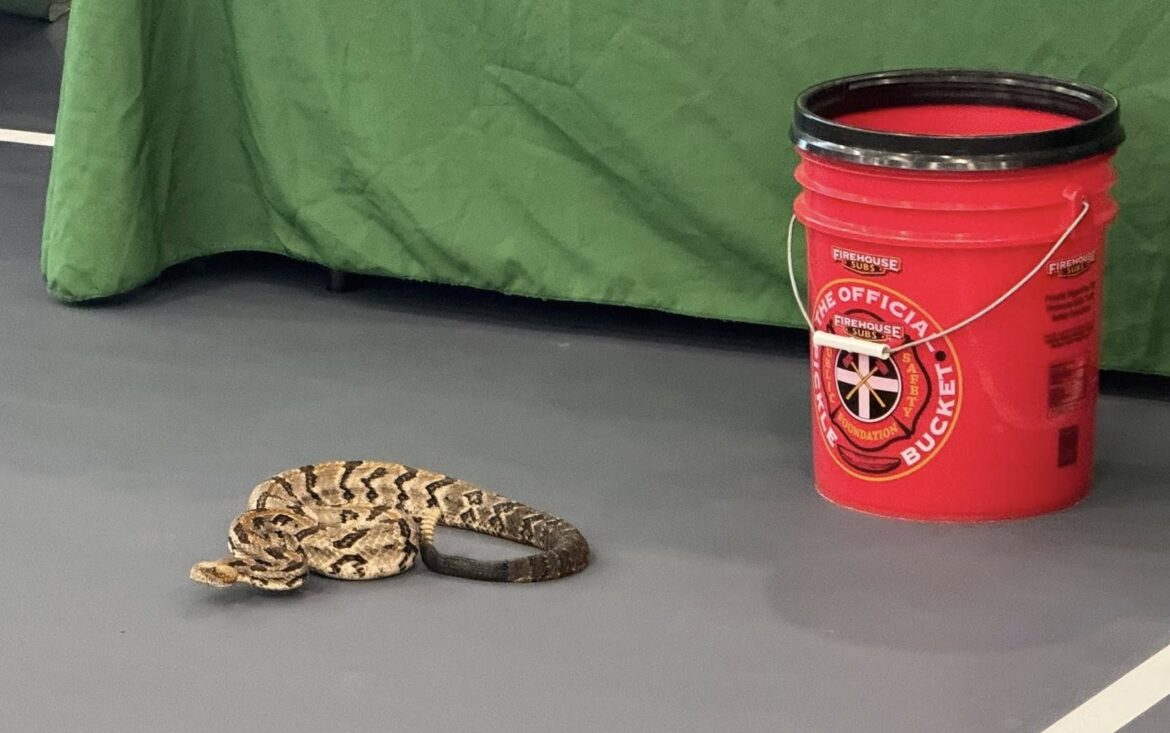
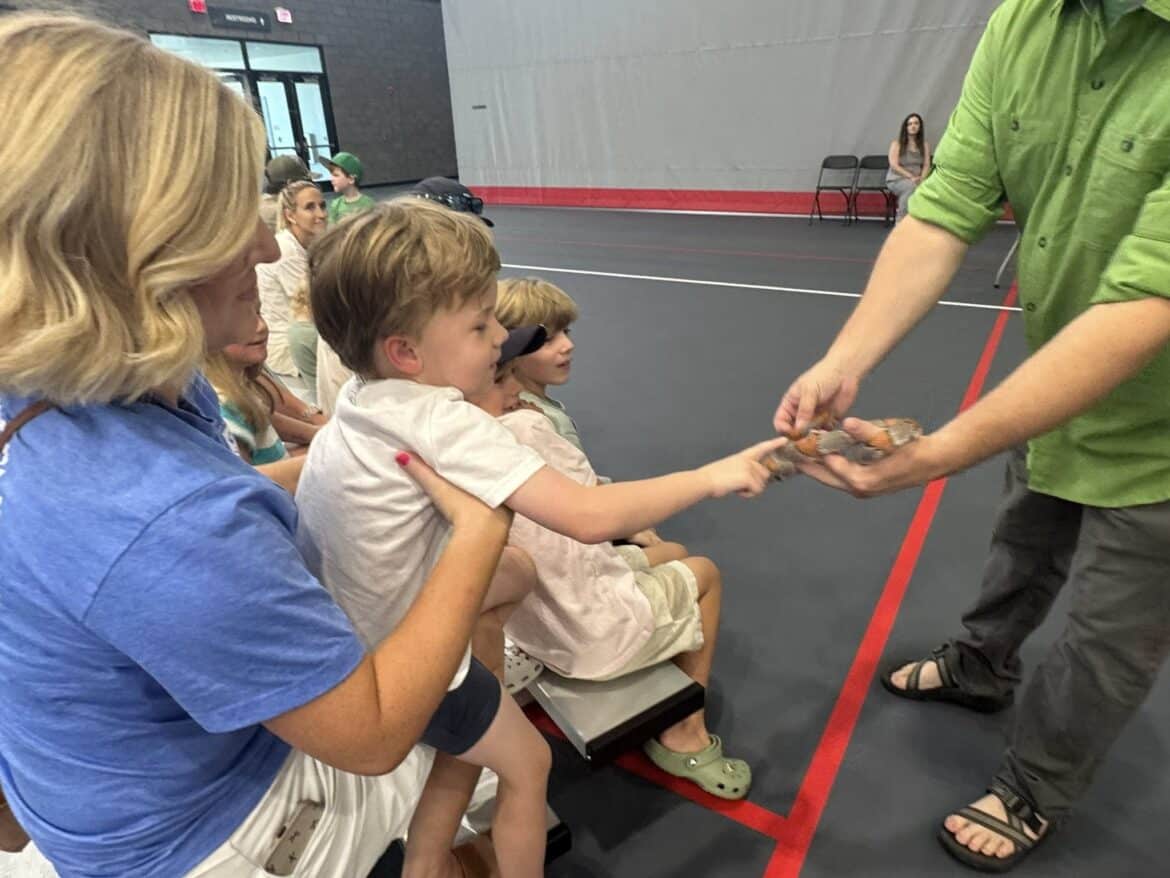
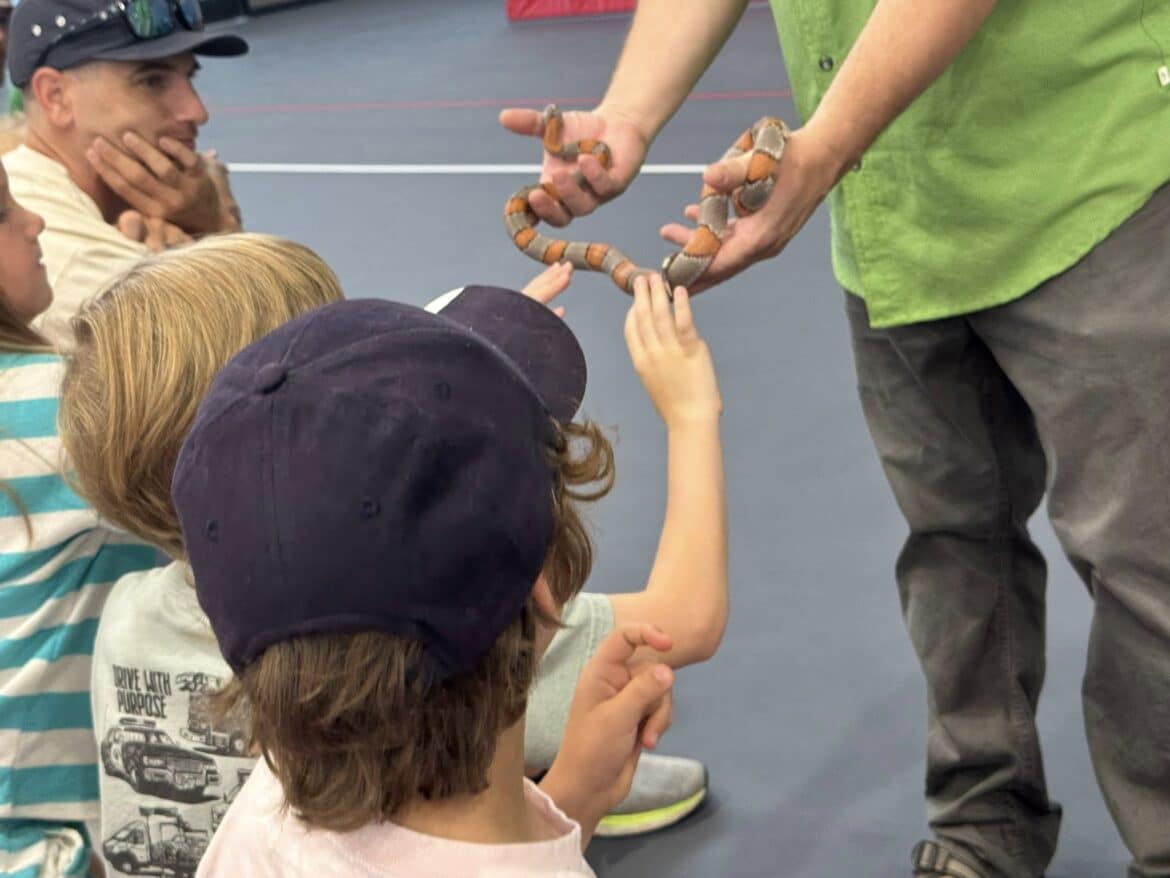
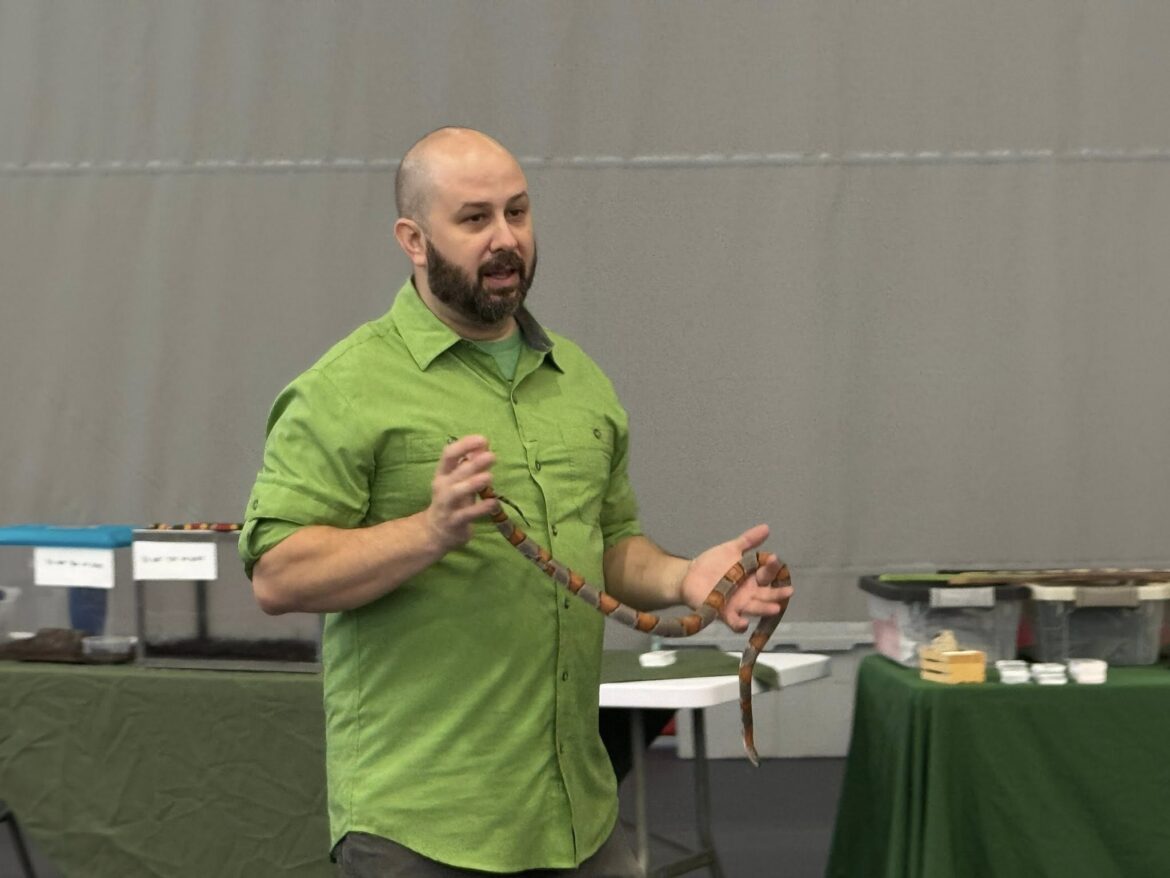
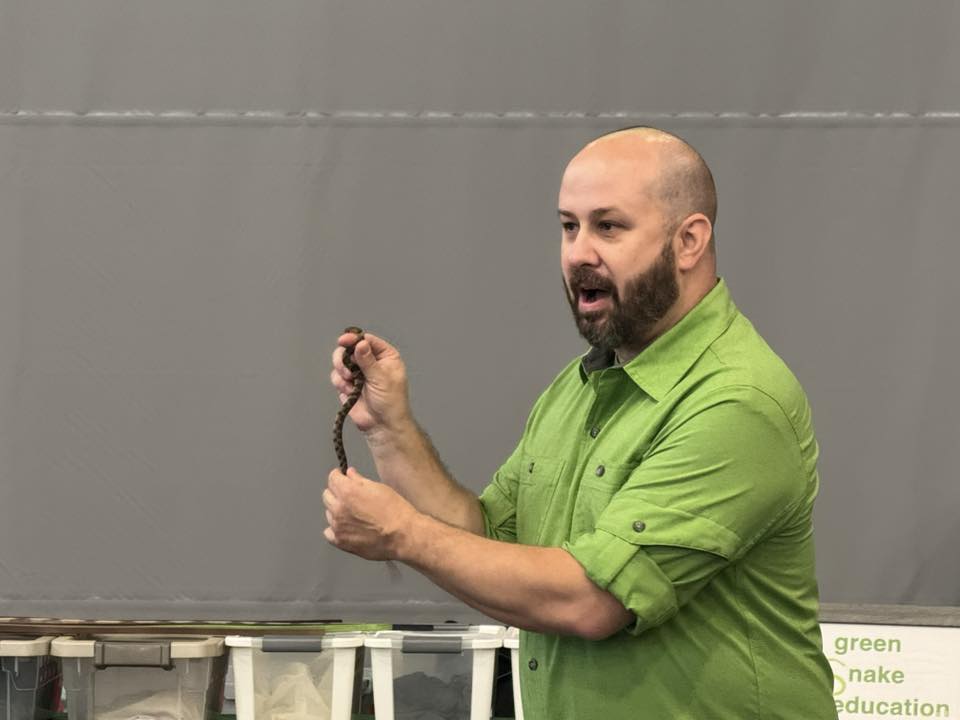
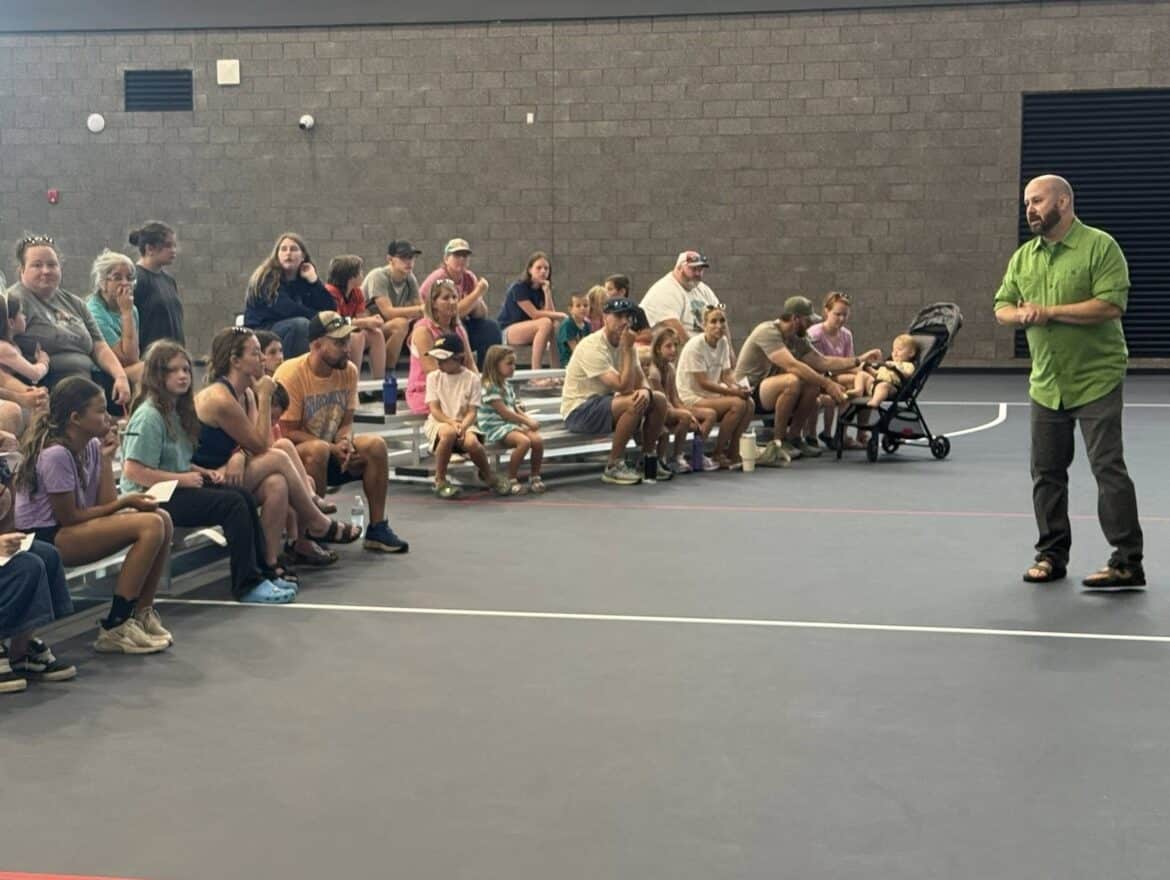
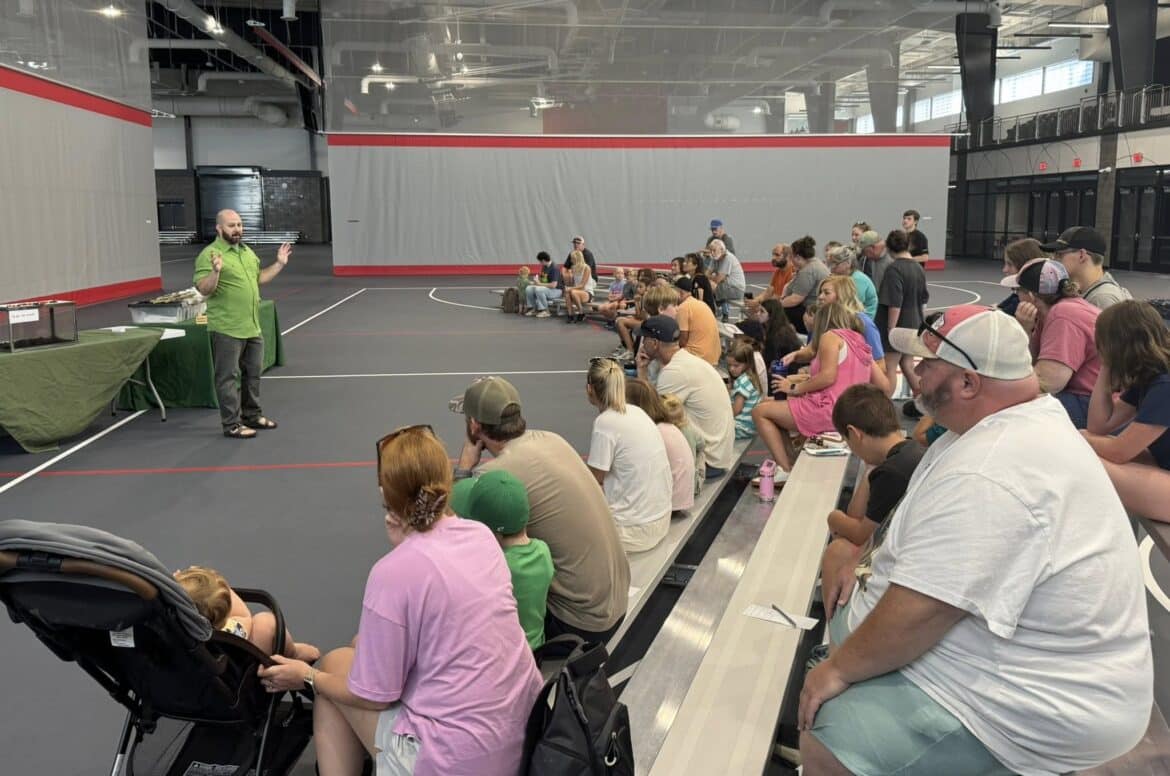
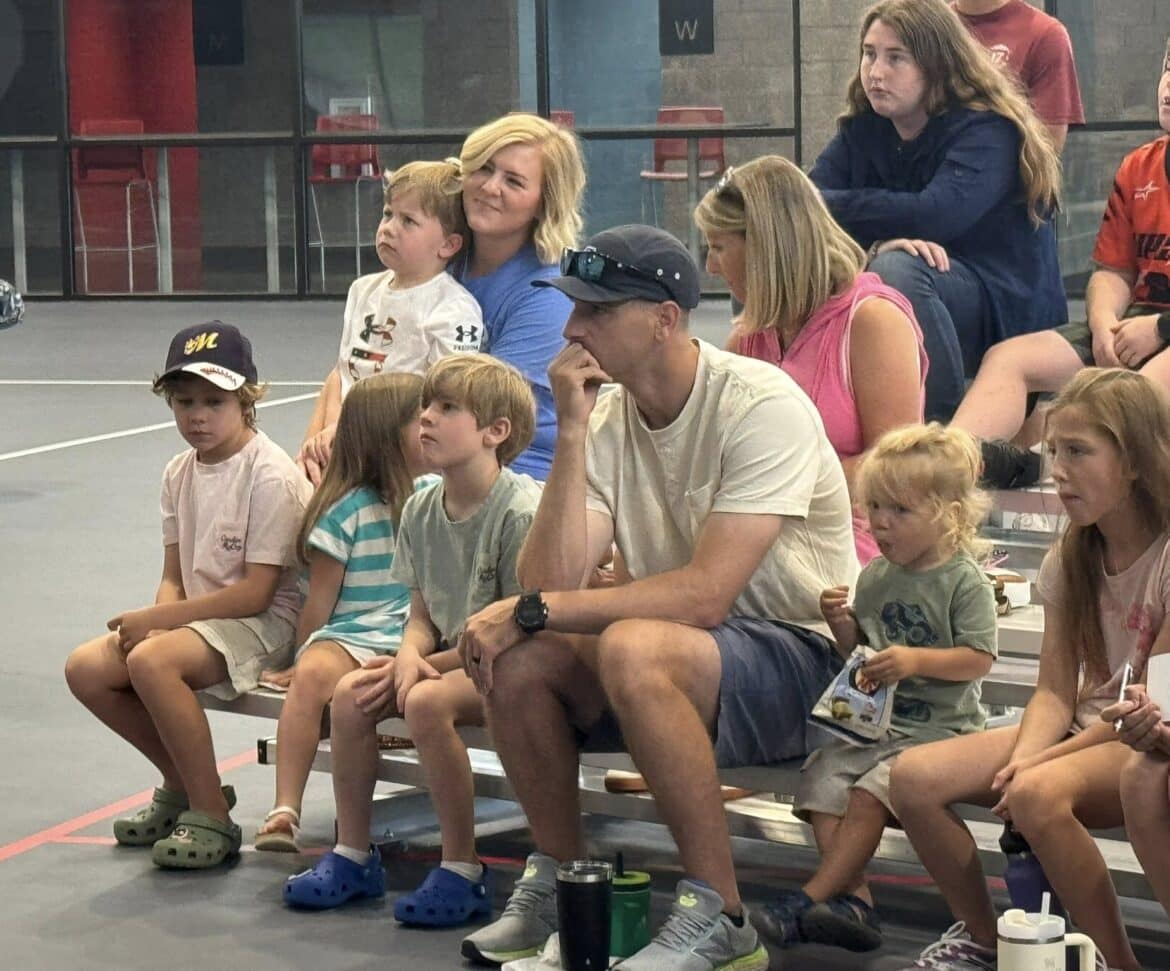
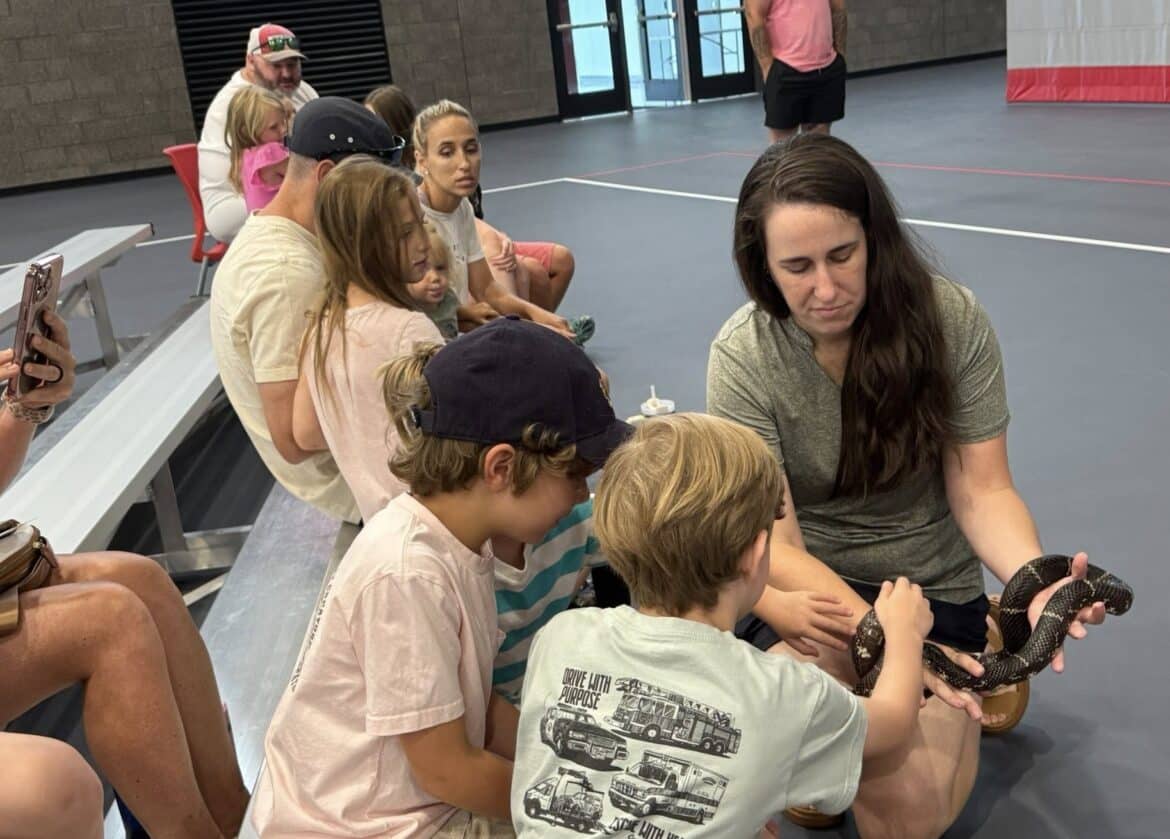
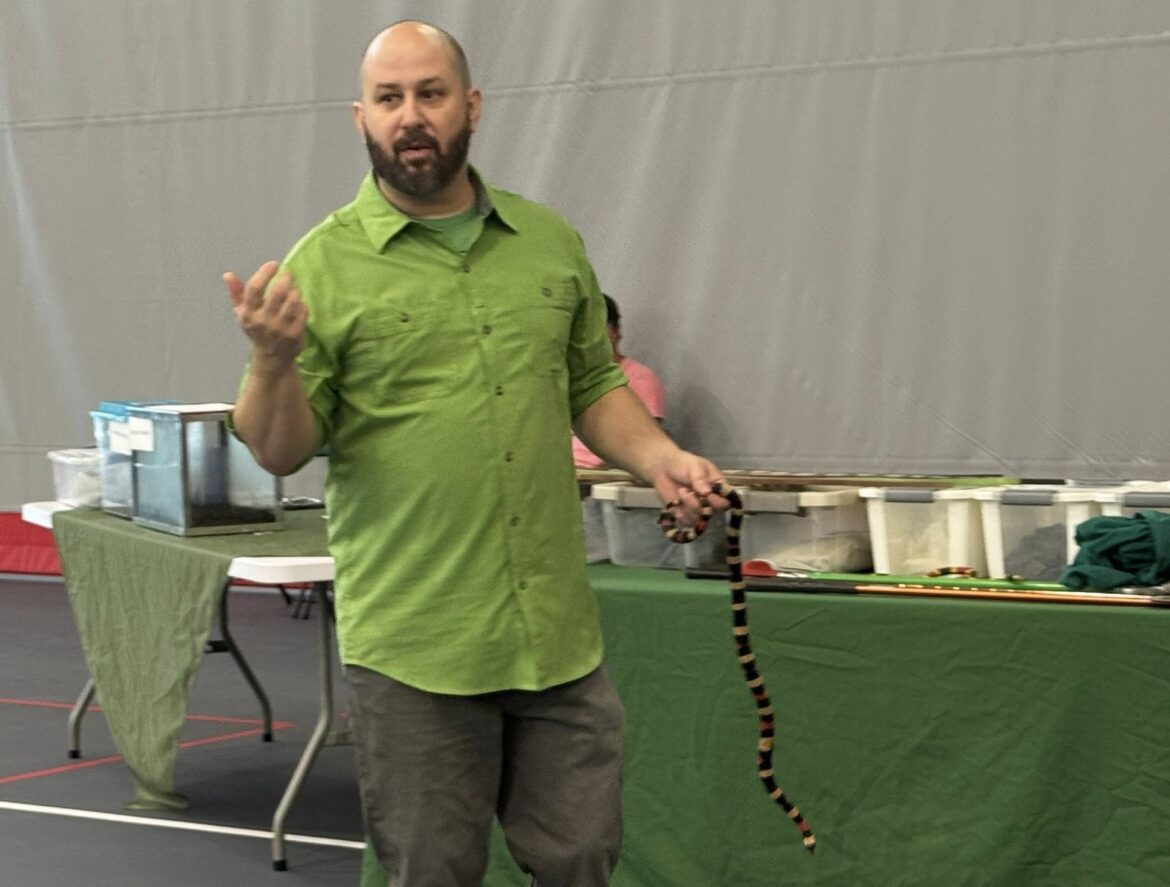
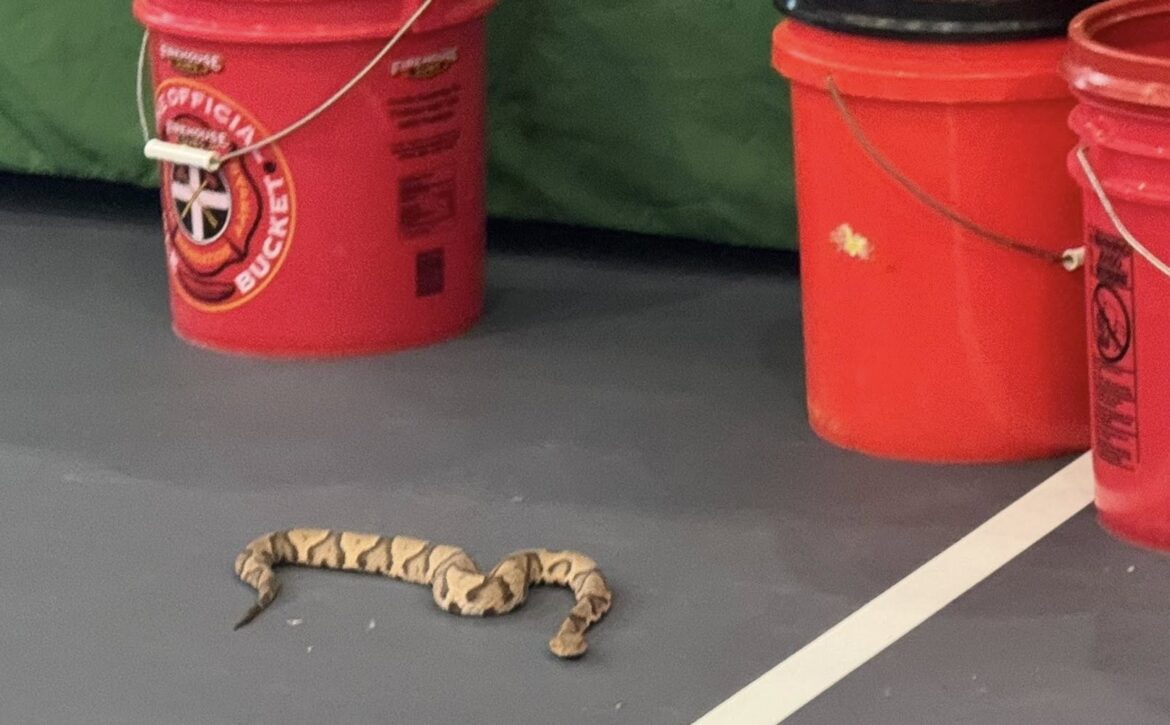
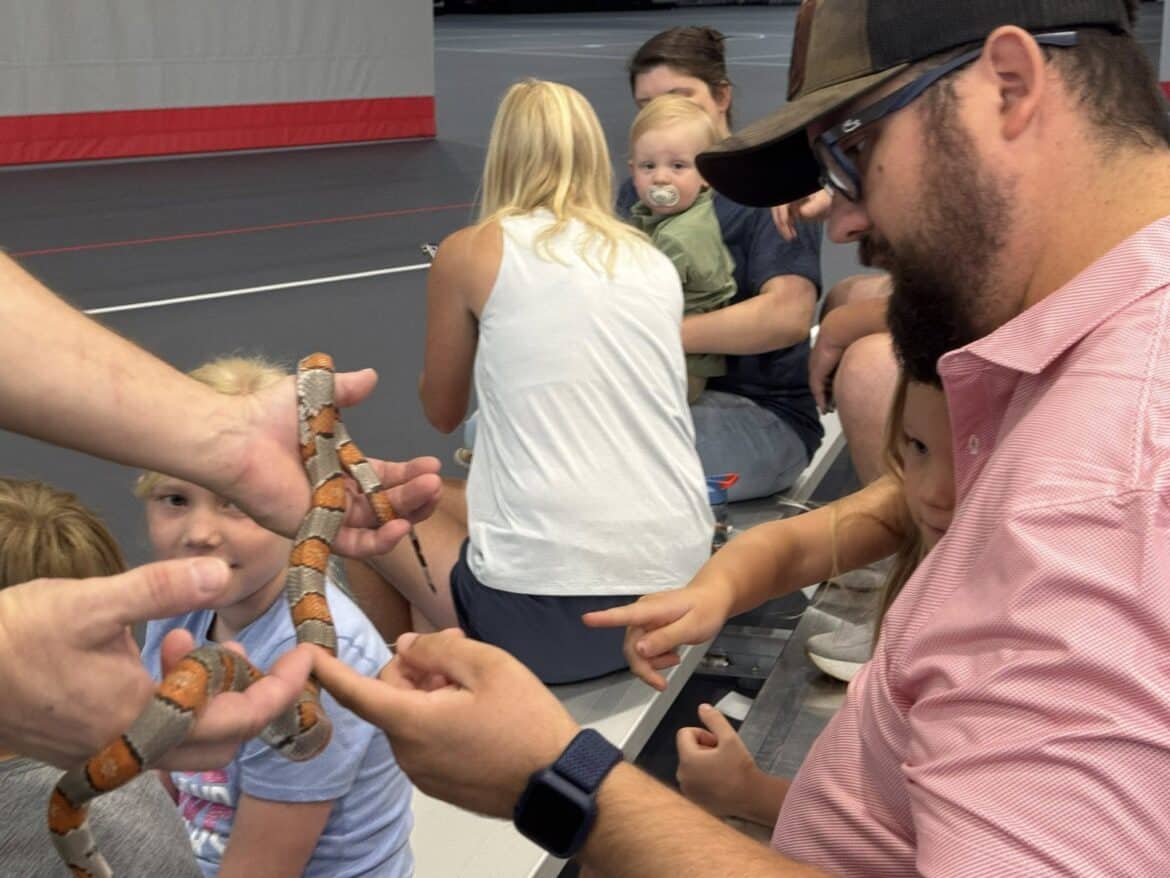
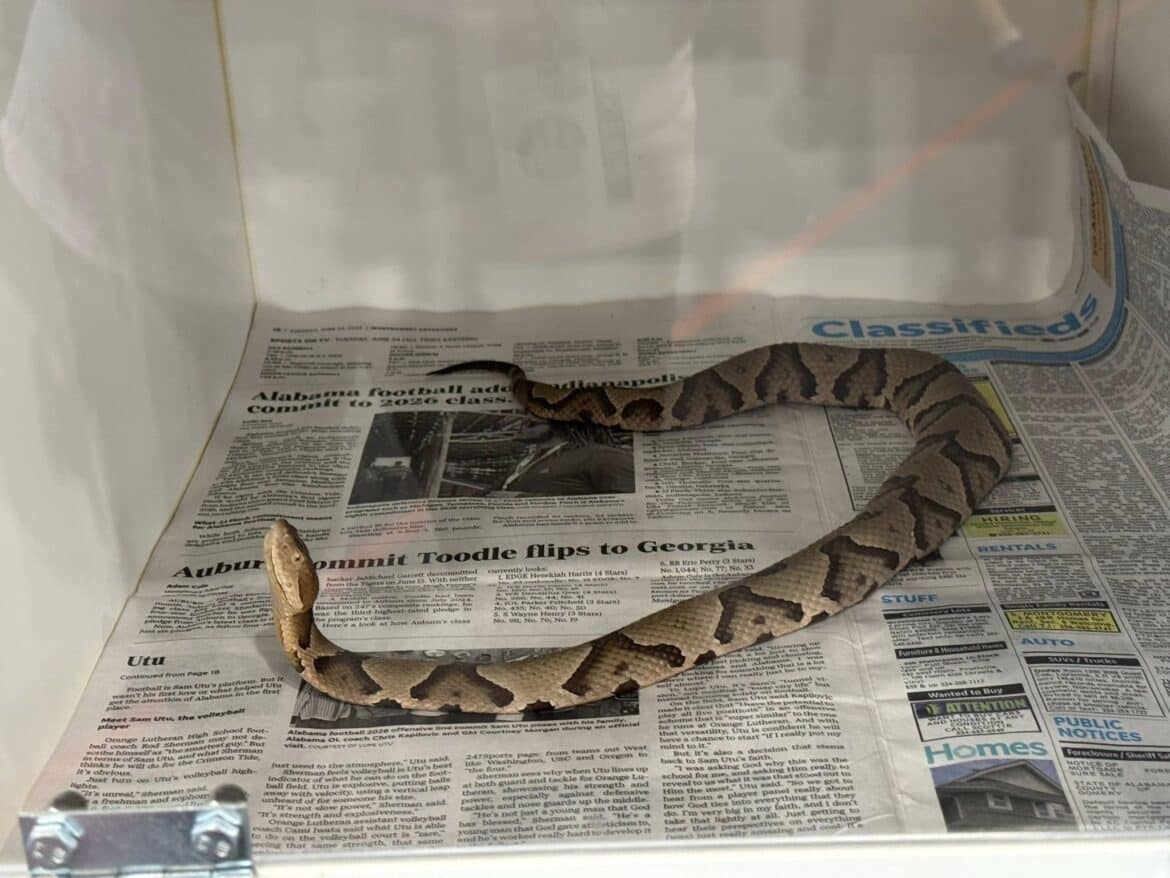
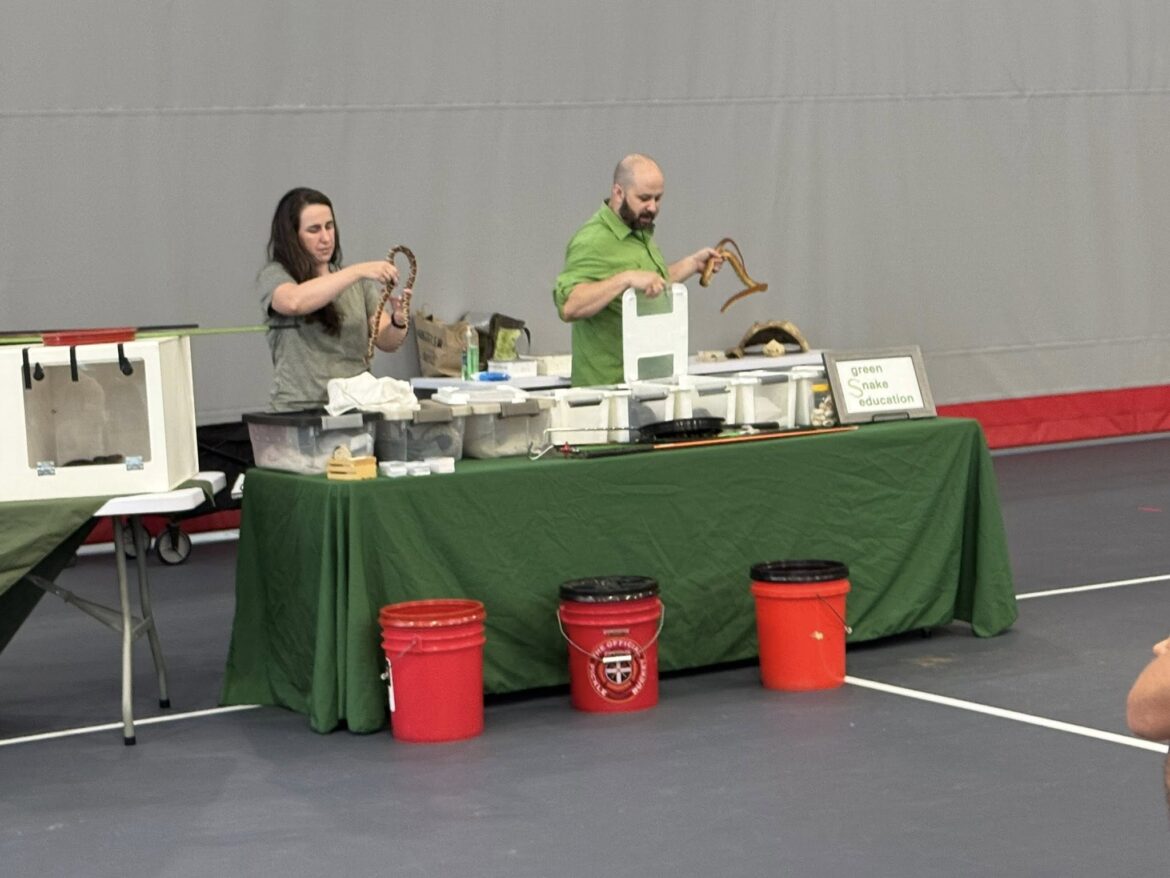
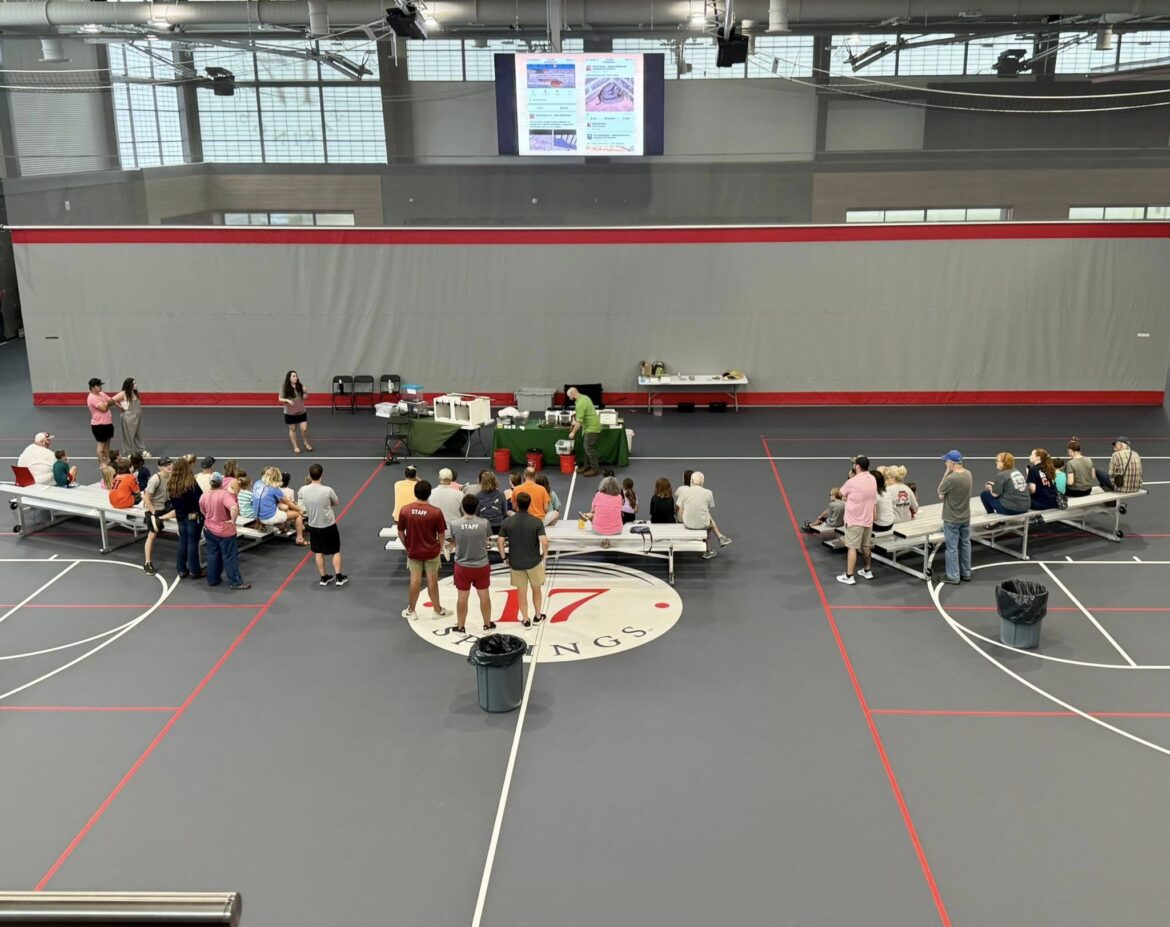
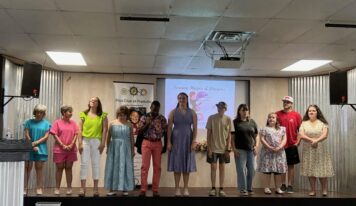
A collaborative effort Saturday at 17 Springs of Millbrook allowed up close and personal interaction with non-venomous snakes that frequent our area, as well as a safer distance view of venomous snakes.
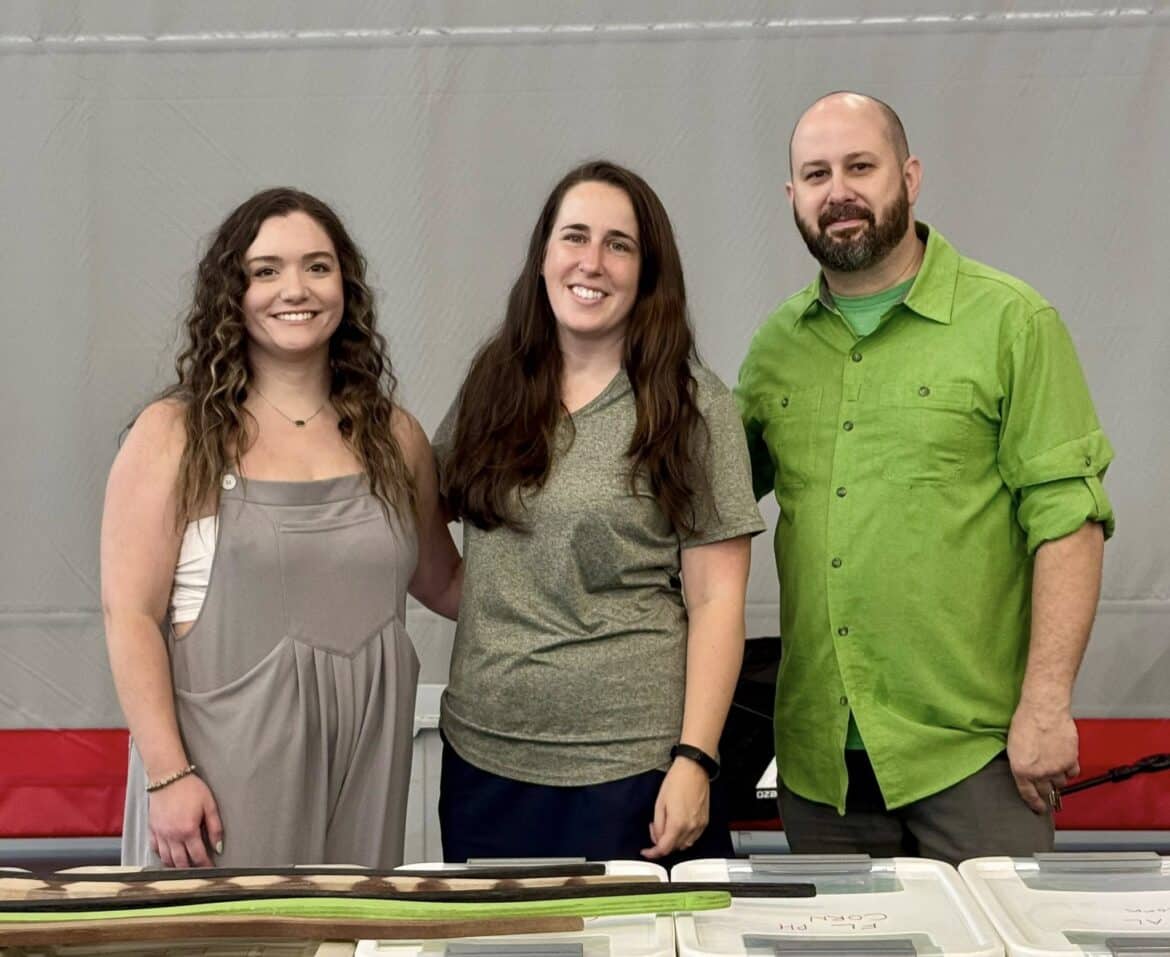
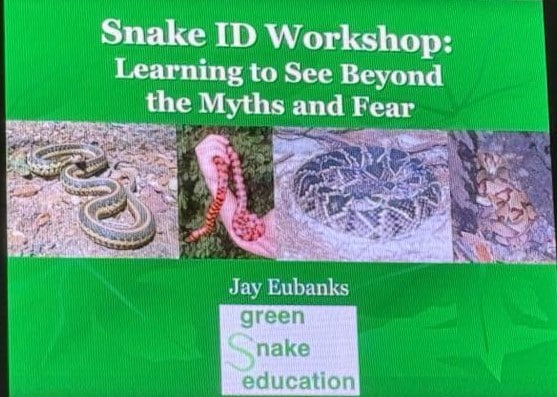
This was a project between Tyler Burgener, a Wetumpka resident, Baylee Files, of Prattville, and Jay Eubanks of Green Snake Education.
Tyler works with the Alabama Wildlife Federation in Millbrook. Baylee has a special interest in snakes and snake education.
Jay is a herpetologist from Birmingham and has educated the public about snakes, turtles and much more for the past 28 years.
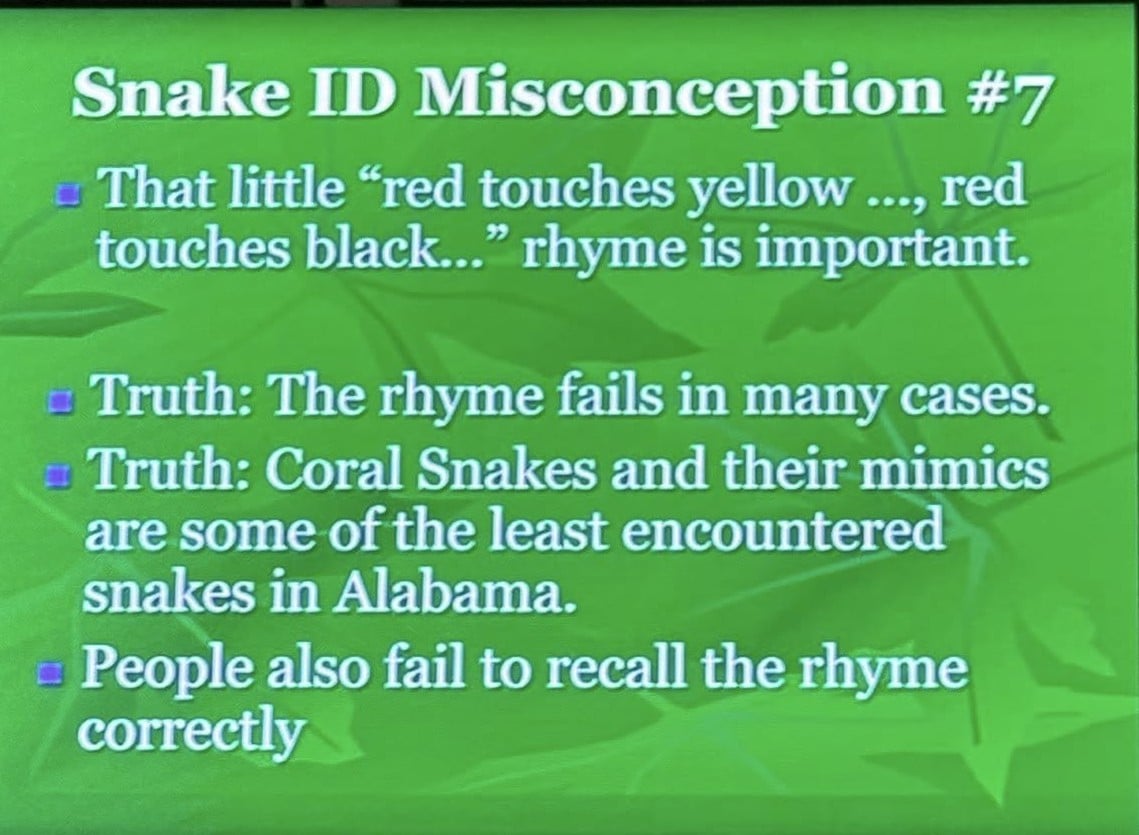
Saturday attendees learned about local snakes as well as:
• ID TIPS
• SAFE ENCOUNTERS
• SNAKE RELOCATION CONTACTS
• WHAT TO DO IF BITTEN
At the end of the event, organizers held a quiz for the guests to challenge their ID skills and then let everyone come up to touch and hold snakes!
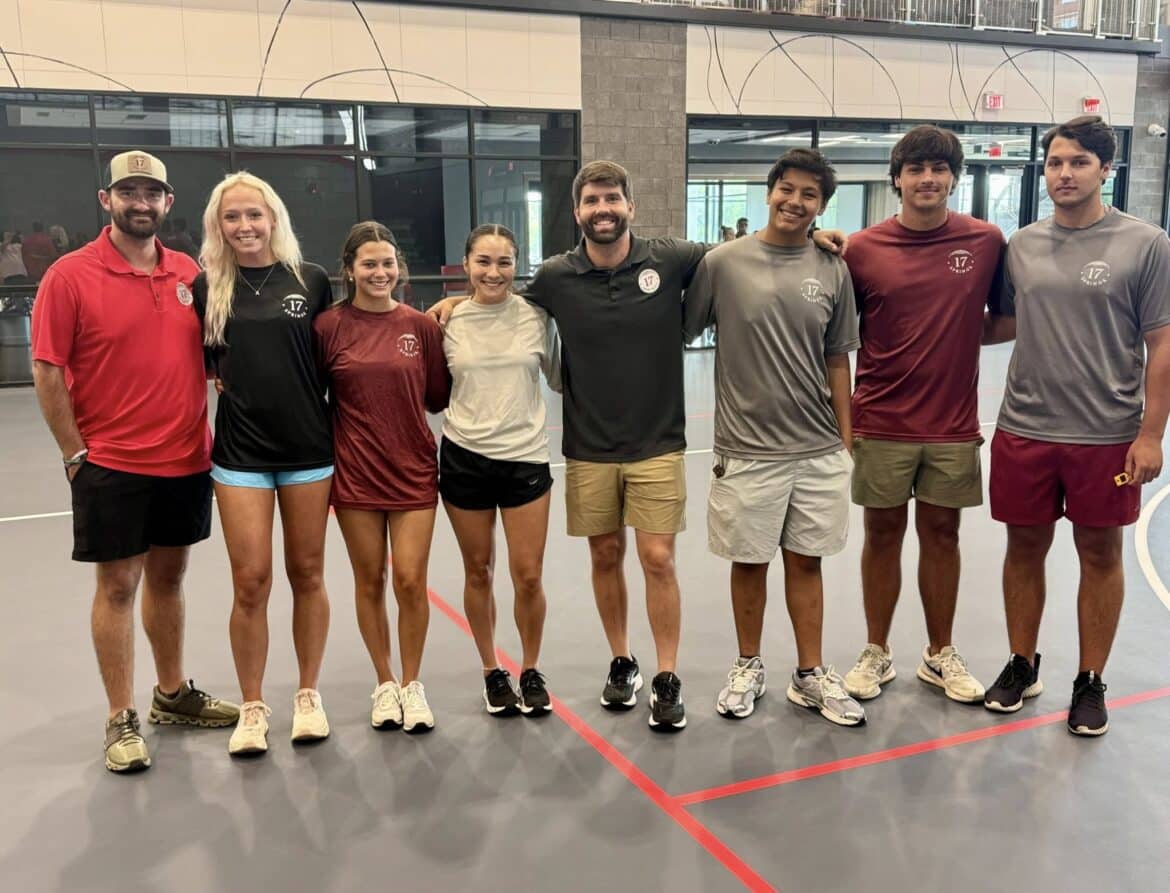
Tyler Burgener said, “We were grateful to 17 Springs in Millbrook for letting us rent a room in their beautiful facility, and to their staff for welcoming and assisting us – and even sticking around for most of the presentation to learn!
Tyler said the main goal Saturday was to help everyone better understand how to identify the snakes in our area rather than fear them. Snakes are beneficial to us in many ways.
Alabama is home to roughly 50 species of snakes. Only about a dozen of those are common in our area. Of the 50 species in the state, only six of those are venomous. Of those six venomous species, only three are found in the tri-county area – the cottonmouth, copperhead, and timber rattlesnake.
Tyler said this means that you only have about a dozen-ish snakes to focus on when learning about them…and really only have to learn how to identify THREE of those if you want to simply know which ones are dangerous and which are harmless.
She said this is a very achievable goal. Simple “rules” such as “round eyes mean harmless, cat-like eyes mean venomous” or “if it has a triangle head it’s venomous” are not accurate and should not be used to identify snakes. Each snake has a multitude of physical and behavioral traits that make it unique and a habitat type that is limited. Putting all of the puzzle pieces is the only way to get a foolproof identification. Practicing is the only way to get to the point where you can confidently do this.
She said snakes are too valuable to be lumped into “good” vs “bad” – or better yet, say “the only good snake’s a dead snake”. We must take the time to learn more about them and spare them when we encounter them. The difference between fear and respect is education. We all have easily accessible tools to help us with this.
Tyler recommends that everyone on Facebook join the following groups:
Snake Identification – This group is run by herpetologists and experts that will give you prompt, correct ID’s if you share a photo of a snake and its location. This is also a great place to simply observe posts and quiz yourself on your knowledge of snakes as you learn!
Snake Identification: Discussion and Resources – The sister group to the one above – this is a place where you can ask questions about how to identify a snake, ask about the behavior of a snake, or ask anything else snake-related and experts will explain things!
Alabama Reptile and Amphibian ID & Education – This group is similar to the one above, but specific to Alabama. It is run by the AL Herpetological Society and is extremely helpful when learning about snake basics or getting an ID.
“Another thing we wanted to really drive home is that snakes are not inherently dangerous and it’s not necessary, or even wise, to kill them if you encounter one. Even if you can’t see their inherent, ecological, and medicinal value, you should avoid killing a snake because it’s dangerous. You can only be bitten by a snake if you’re close enough to do so. Most snake bites occur when people are trying to remove or kill them. It is safest to leave them be or call a professional to help you remove them.
For assistance with a relocation, Alabama Snake Removers is a group worth bookmarking. It consists of a network of people around the state that are willing to come to your home to relocate a snake that isn’t welcome, help you understand why it was there in the first place, and offer advice on how to make your home less appealing to snakes in general.
One more great resource is National Snakebite Support. If you or your pet are bitten by a snake, this is an amazing group of doctors and veterinarians that can offer medical advice in real time. The information below, from the Mayo Clinic, explains what to do if you are bitten by a venomous snake.
After you call 911 or your local emergency number, if possible, take these steps while waiting for medical help:
Move far away from the snake.
Stay still and calm.
Remove any jewelry, watches or tight clothing before swelling starts.
Sit or lie down so that the bite is in a neutral, comfortable position.
Clean the bite with soap and water. Cover or wrap it loosely with a clean, dry bandage.
What to avoid
Don’t tie off the bite area, called using a tourniquet, or apply ice.
Don’t cut the bite or try to remove the venom.
Don’t drink caffeine or alcohol.
Don’t take pain-relieving medicine, such as aspirin, ibuprofen (Advil, Motrin IB, others) or naproxen sodium (Aleve). Doing so can increase your risk of bleeding.
Don’t try to catch or trap the snake. Try to remember its color and shape so that you can describe it. If possible, take a picture of the snake from a safe distance. Knowing what kind of snake bit you can help with treatment.
Linked is Tyler’s Facebook page post about snakes that gives more information.
https://www.facebook.com/ashley.tyler.399