Malia Riggs
Elmore Autauga News
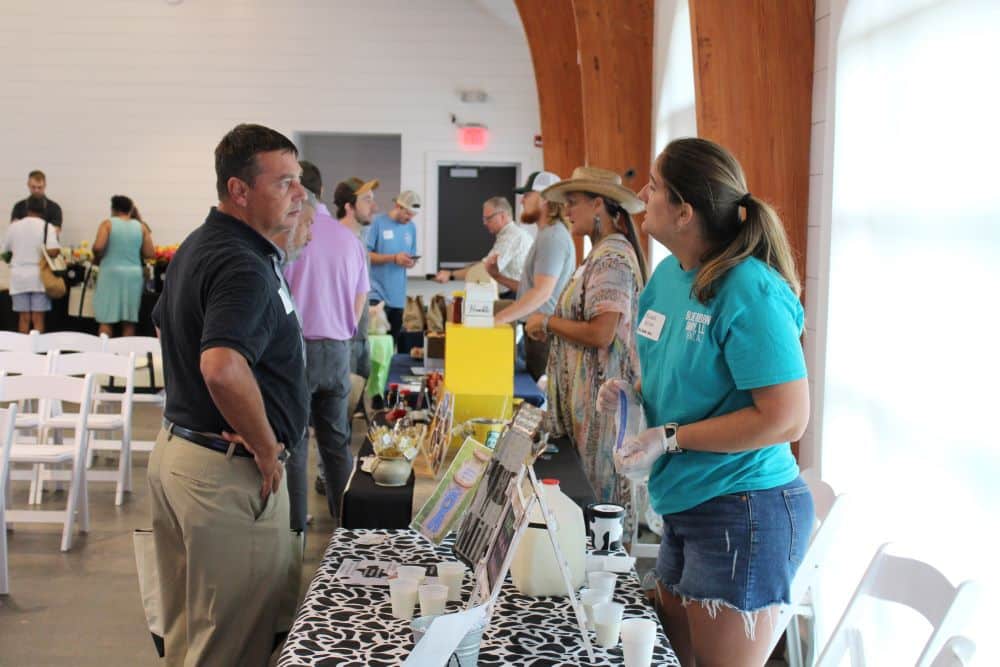
It’s almost farmers market season… Are you ready? With Sweet Grown Alabama, many local farmers with their help are gearing up to bring locally made, grown and produced products right to consumers.
Sweet Grown Alabama is a non-profit foundation that helps to enhance marketing opportunities for local farmers in the State of Alabama. They do this by connecting retailers and consumers to their locally grown and produced Alabama foods and other agricultural products.
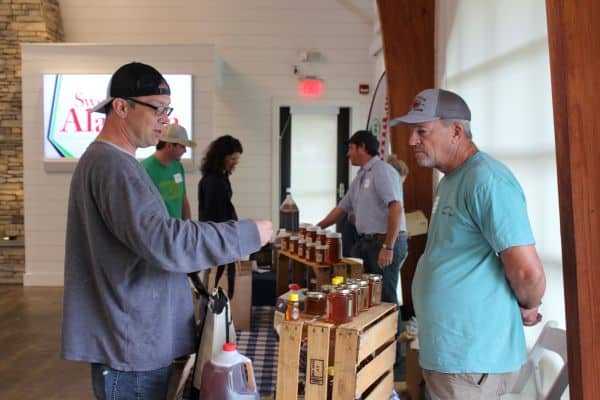
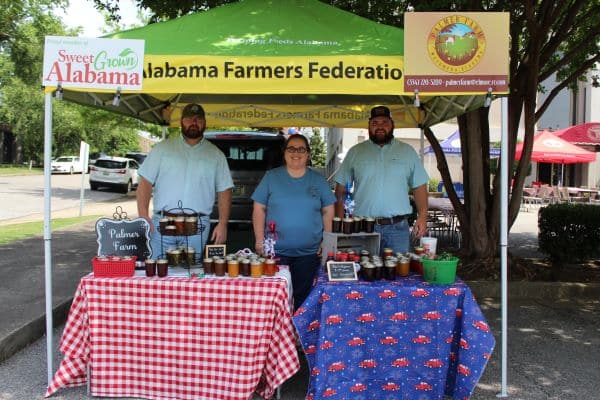
“I would say our business has increased from a quarter to even a third just by joining them. It’s been a huge benefit. The ladies over there just do a fantastic job. They’re website and the number of people that it reaches, consumers can find a specific product that’s close to them. You get to know the farmer or producer and know where your food is coming from,” owner of the Prattville Honey Farm and one of the first members of Sweet Grown Alabama, Allen Mills said.
The dream team of Sweet Grown Alabama is run by a team of two, Director Ellie Watson and Assistant Director Aisling Walding. Both Watson and Walding maintain and upkeep a live database of local products from beef, you pick strawberry farms to fresh cut flowers. All searched for by zip code.
“Our website went public right in the thick of Covid. It was like the summer of 2020. So it was really convenient when people were at home looking for local products and you know some grocery store shelves were empty. They were able to connect directly to a local farmer. That worked out well even though it’s obviously horrible circumstances,” Watson said.
Among the database, members can use their logo on any of their products. This signals to consumers that the product is not only made locally but also organically, and that money spent goes right back into the community that helped sustain those products.
“All of our members have the rights to use the Sweet Grown Alabama logo on their products. We have done studies with Auburn University that show us people are willing to go the extra mile for a product with that logo on it,” Watson said.
Along with the logo, Sweet Grown also purchases billboards and other advertising campaigns and partners with local schools all in the name of education. In conjunction with the database on their website, it shows what local products are in season and the most readily available.
“We know that for every single dollar a consumer spends, 60 cents of that dollar is reinvested right back into the local community. In the rural areas a farmer hires two or three individuals to help work on his or her farm. Then those individuals get to send their children to the local dance studio and they get to support the local football team. That one dollar that a consumer spends locally has an incredible ripple effect as opposed to if they’re sending their money out of state or out of the country,” Watson said.
Select farmers markets and other pop up agriculture markets across the state even accept SNAP benefits as well as the senior farmers market nutrition program vouchers, this means individuals that are eligible receive discounts or even free local produce in select participating markets. More information on SNAP and senior benefits can be found on the Department of Agriculture website, Watson confirmed.
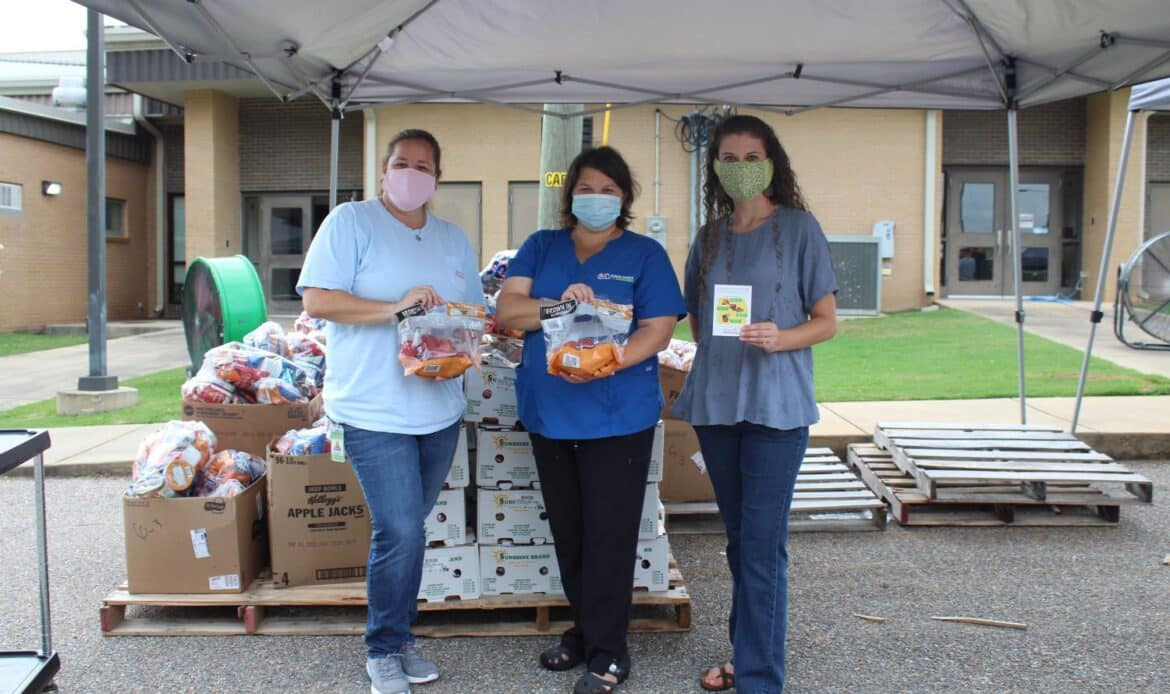
Watson went on to state that the main focus of Sweet Grown Alabama is to keep that money in the pockets of Alabama farmers and Alabama’s economy. Through their partnership with local schools, the Sweet Grown Alabama website not only has educational videos made by local farmers, worksheets available for students but Sweet Grown also organizes different agricultural farmers to come speak to students. This educates students about where their food comes from and how it gets there.
“One of the most important groups in Alabama is our school kiddos, because we know that students are more removed from the farm than ever before. The average consumer is about five generations removed today. It’s important for us that our teachers and students know where their food is coming from and know how to find a local farmer in their community,” Watson said.
But not only does supporting local bring dollars back into the pockets that matter, it also helps cut down on emissions from huge corporations that are moving mass grown products around the world. The average piece of produce travels over 1500 miles and sits on a truck for days or weeks before it ever reaches a plate, Watson confirmed.
“Products are losing quality, losing flavor, losing texture, but also contributing heavily to environmental waste. So, supporting local is a great way to not get a better product for yourself, but to also help protect our environment,” Watson said.
As the days get longer, and temperatures get hotter, remember to support local agriculture, as everyone can attest that fresh always tastes better.
“Whether it’s local honey, pecans, beef or even fresh cut flowers, we have members that are in every form of agricultural products, it’s a place where you can go find just about anything locally,” Mills said.