BY MAGGIE DIGIOVANNI
ELMORE/AUTAUGA NEWS
Editor’s Note: RenzNest Canine Retirement Home is not a “licensed” business, but it has extended the life of many animals who may have otherwise been euthanized, or considered “too difficult” due to health issues.
DEATSVILLE – Nora Renz’s first rescues were hearty, healthy hounds. Eventually, through attrition, the original pack dwindled to none. In 1995 her youngest son brought a mixed shepherd puppy to Nora for help. The mother was dead. She left her three-week-old offspring to survive as best it could. With the help of her husband, Nora bottle-fed the pup every hour on the hour while keeping it warm. That puppy grew into a happy dog that lived 15 years. Her experience caring for the youngster gave her the rescue bug.
Within a year, she found herself pulled to humane shelters to find more dogs needing help. During this search she noted dogs with disabilities or getting along in years stayed while the cute, young, and healthy found new homes. This is the story of precious lives enriched because they are given a chance for happiness that some pets never experience before meeting Nora.
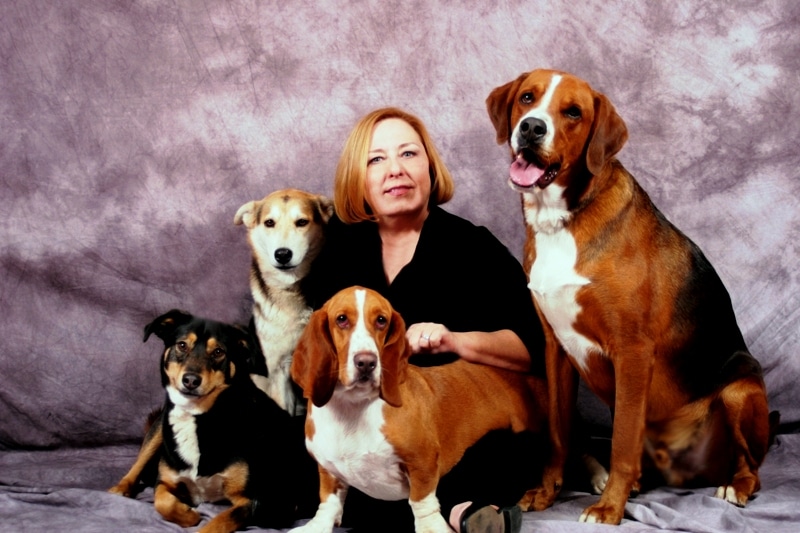
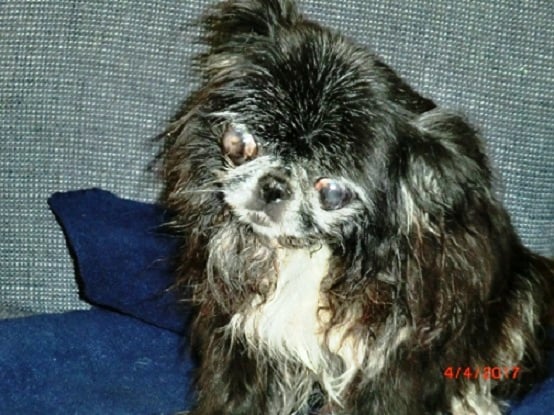
The current Renz pack includes eight adopted and two foster dogs. Harley, a f15-year-old Chihuahua, although a foster, will never leave RenzNest. His eyesight is almost gone, as is his hearing. Coupled with his age, finding the right permanent home is difficult.
Hilda, another foster pup, severely injured in its hips and back legs fared well in the search for her perfect parents. She dragged her rear end, and to slow the atrophying of her muscles, Hilda was not given a wheel mobility unit. Never did her cheerful attitude fade. That was the first thing noted by the new owners-to-be. Today, Hilda, renamed Pepper by her people, goes along on trail hikes, carrying her own weight until she is exhausted. The feisty dog is put into a backpack for the rest of the trip.
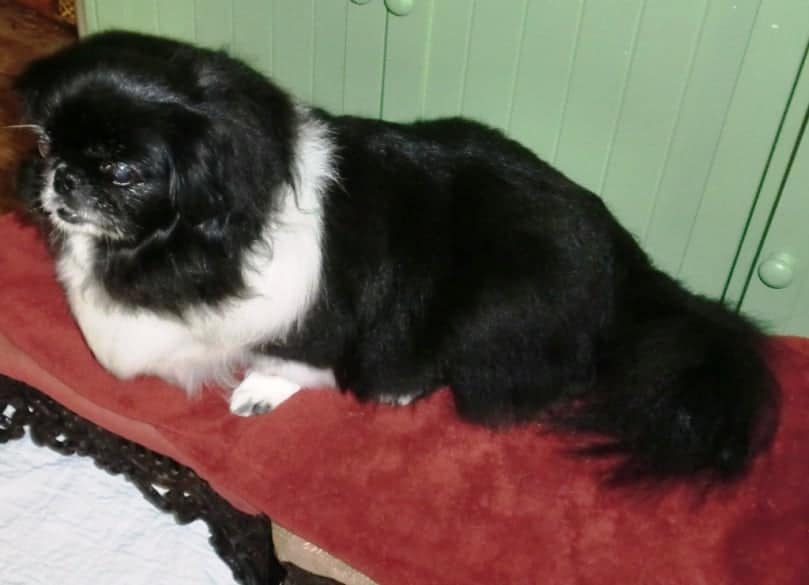
Oreo, a sad black and white Pekinese, saved from euthanasia, came to RenzNest under Nora’s care. There seemed no chance of saving her from an Autoimmune Hemolytic Anemia. No one held out hope for the little dog, but Nora opted to take drastic measures to save her. She is quick to warn everyone that she does not recommend the course of action she took without a vet’s approval. Oreo, however, had few options left, so Nora made the hard choice to stop all her meds in April 2017.
Oreo’s diet changed to one of high protein. Nora changed her to liver/rice/veggie-based homemade meals. She added a little high-grade commercial kibble food to each of the three daily meals to provide supplemental vitamins and minerals.
Within five months, the change in Oreo seemed almost miraculous. Four and a half years later, the difference in the Peke goes from a dull coat to one that shines. She is under a veterinarian’s care and remains with Nora.
Nora works closely with the local shelter. When she found keeping so many dogs, up to 13 one time, too expensive, she considered fostering dogs and helping to find them loving homes. She admits to “foster failing,” – a frequent problem with new people. What is foster failing? Either you decide you just cannot manage a particular dog and must return it to the shelter, or you find yourself adopting each foster coming into your care.
Fostering is a wonderful way to help the humane shelters and the animals. There is always a problem of overcrowding in the shelters. With the virus upset of the past two years, overcrowding has accelerated. Fostering is less expensive than adopting. Shelters tend to medical care, as well as food and other needs for foster pets.
With the handicapped or seniors, bringing them in as foster pets provides them the chance to be socialized and experience family love again. Good humane shelters vet the potential foster or adoptive parents before turning over the life of a dog, cat, or other pet to them.
When Nora brings pets into her home, she helps them become adoptable through careful diet, nutrition, exercise, and loving care. By the time these dogs are adopted they are at the peak of health.
Nora does not want this article to be about her, and she is correct. It should not be. It should be and is about pets that are not perfect, not young, not the dream pets. This is about the blind, deaf, crippled, or those with other disabilities. It is about dogs who are replaced when they outlive their usefulness to families.
It is about animals who need love, care, socialization, and it is about people willing to take the time to provide these things. It is about fostering and readying a pet for a permanent home. All that is missing is the human ready to take on the challenge.
Please consider this as you visit area shelters. The best pet of your life might not be exactly what you originally envisioned.