BY SARAH STEPHENS
ELMORE/AUTAUGA NEWS OWNER
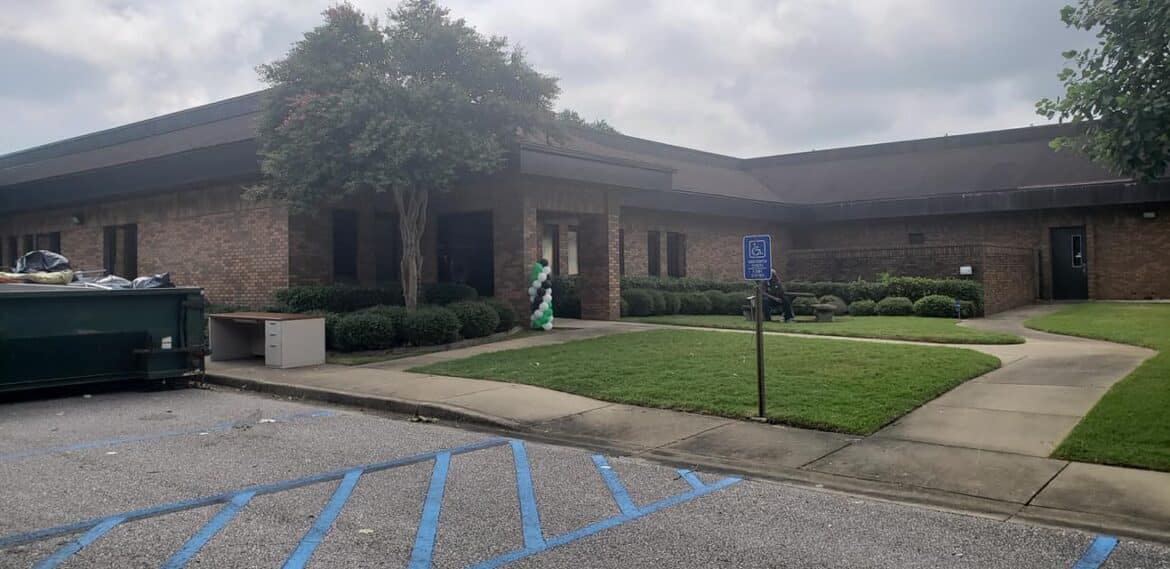
A new Region 3 Diversion Center for mental health is under construction in Montgomery through the Montgomery Area Mental Health Authority (MAMHA). Through MAMHA, the Alabama Crisis System of Care in Action Crisis Center on Carmichael Road is expected to be complete and operational by December
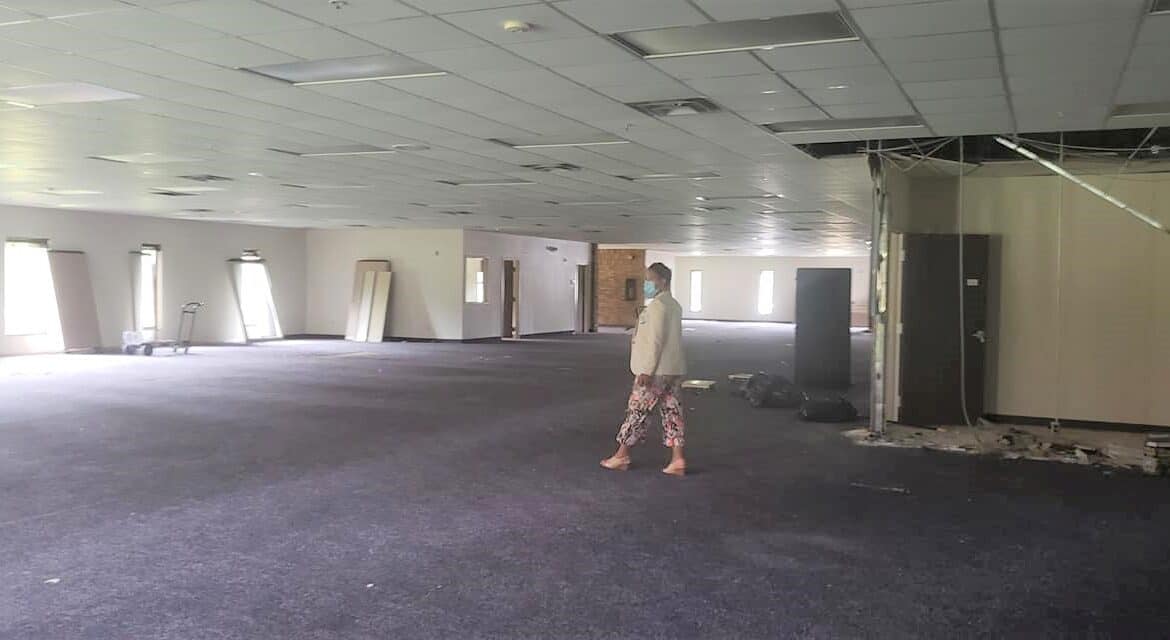
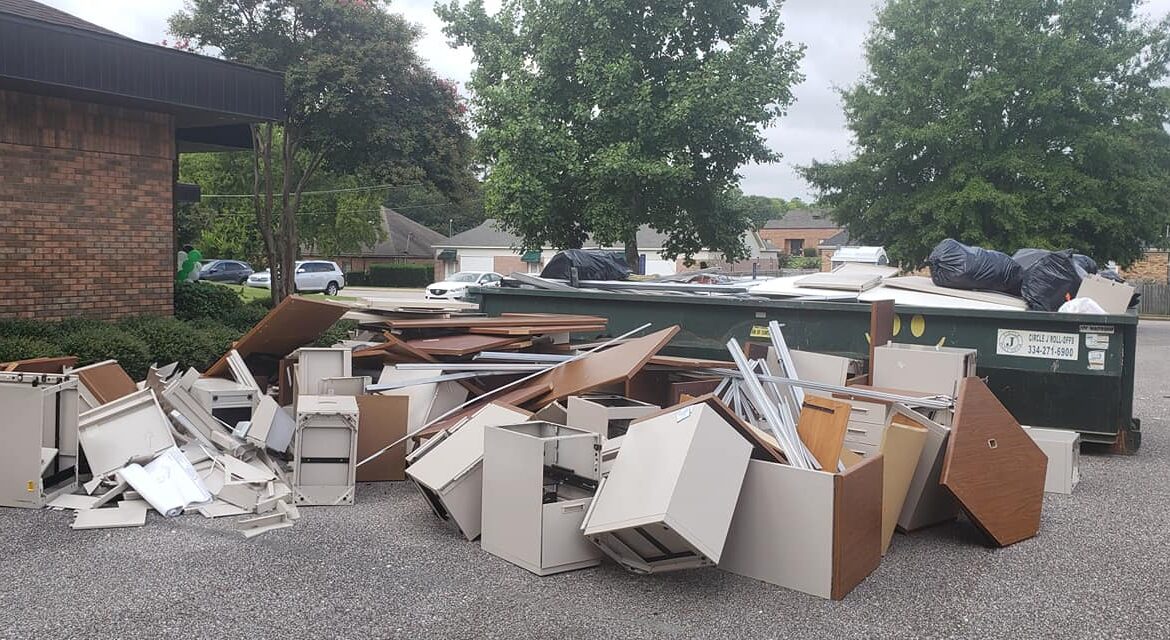
The building was formerly the Auto-Owners Insurance building. Though still under reconstruction, those attending an event last week were able to walk through the building to get an idea of the scope of the project.
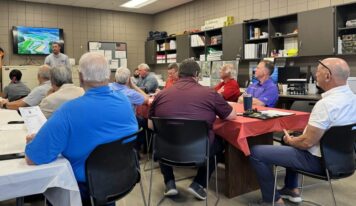
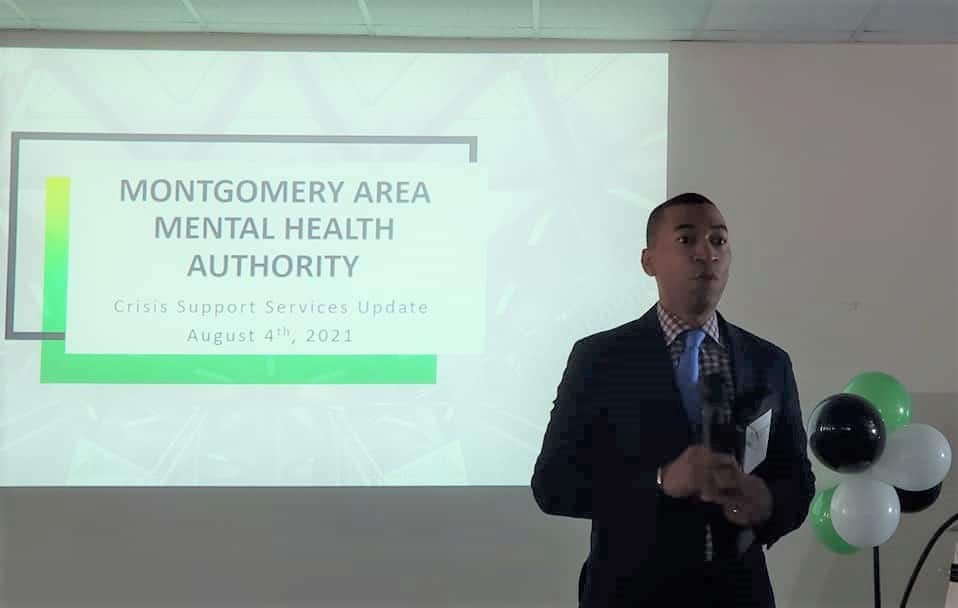
MAMHA invited a large group to the exclusive tour of the facility, and to hear from local health leaders, and MAMHA officials about what this building and its programs will mean to our area.
Officials who addressed the large audience included Alabama Department of Mental Health Commissioner Kimberly Boswell, MAMHA Executive Director Donna Leslie, and MAMHA Clinical Director Shirley Carlisle. Montgomery Mayor Steven Reed told the audience he knows and appreciates the need for care for those in crisis. He is a former Probate Judge, and this issue is near and dear to his heart.
Others were introduced including Peer Partners Baptist Hospital COO Ginger Henry; Jackson Hospital COO Michael James; Jackson Hospital ER Director James Stowe and MAMHA Director of Nursing Alan Bagby.
The much-needed facility was made possible through an $18 million appropriation from Gov. Kay Ivey and the Alabama Legislature. A big proponent of the funding was Senator Clyde Chambliss who previously spoke on the floor expressing the tremendous need.
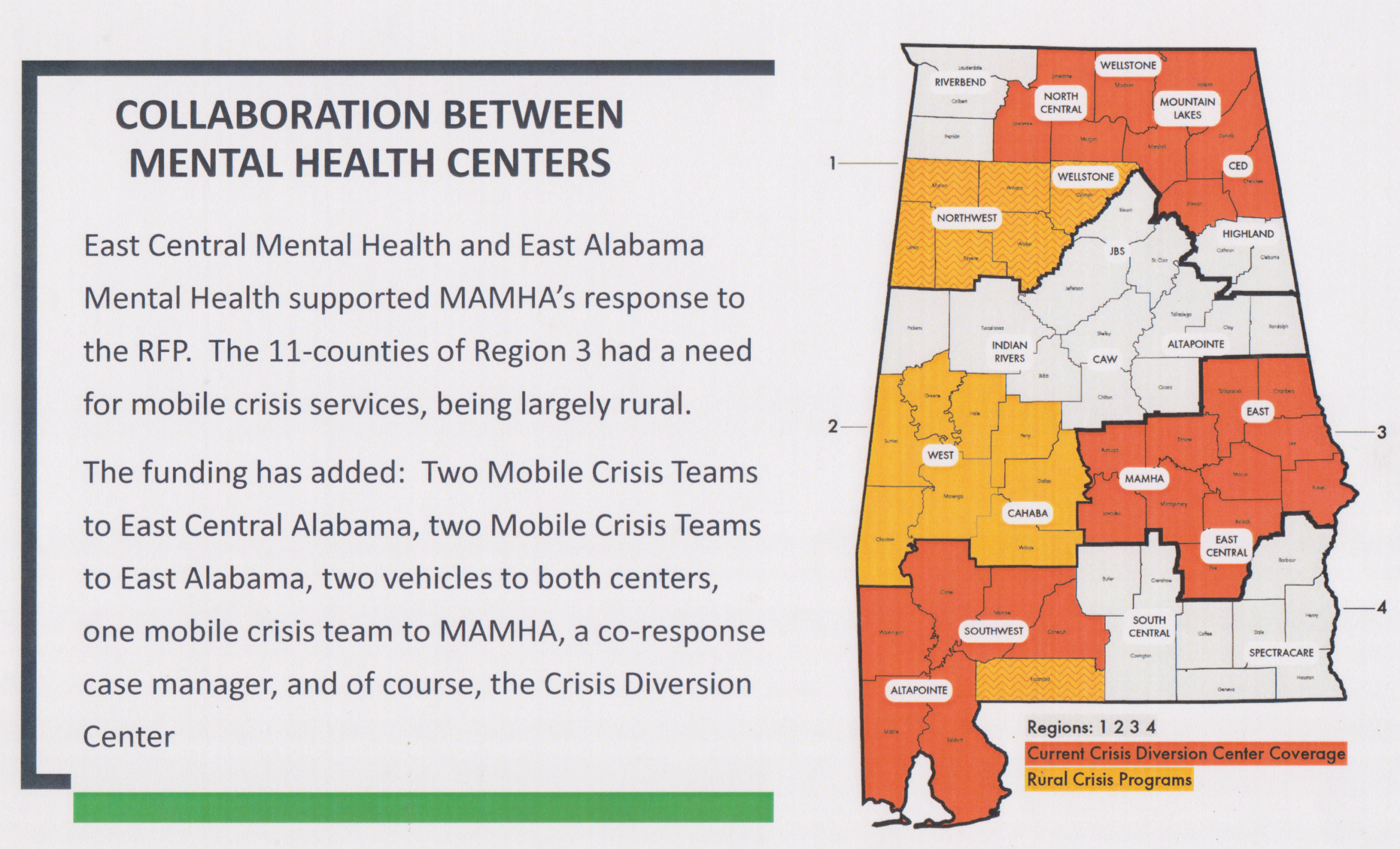
That funding helped not only create the Crisis Diversion Center, but also: Two mobile Crisis Teams to East Central Alabama, two Mobile Crisis Teams to East Alabama, two vehicles to both centers, one mobile crisis team to MAMHA, and a co-response case manager.
The Diversion Center is the first of four planned for the state. Others are expected to be located in Birmingham/Tuscaloosa, Huntsville and Mobile.
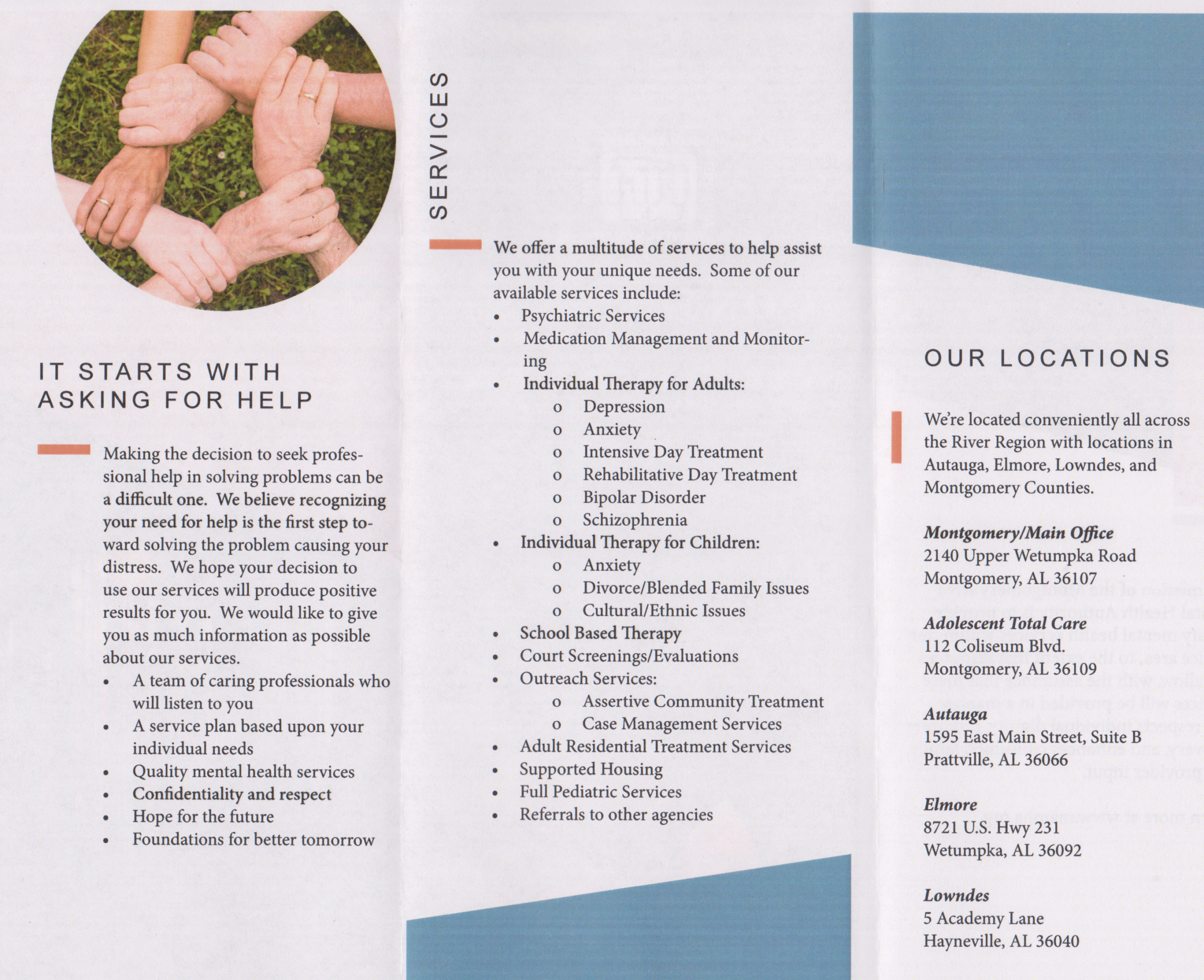
MAMHA covers four counties, including Autauga, Elmore, Lowndes and Montgomery.
The new Diversion Center will be a game changer for families and individuals who are often told that beds in other current facilities are full. It will give area law enforcement options when dealing with a person in mental health crisis as well.
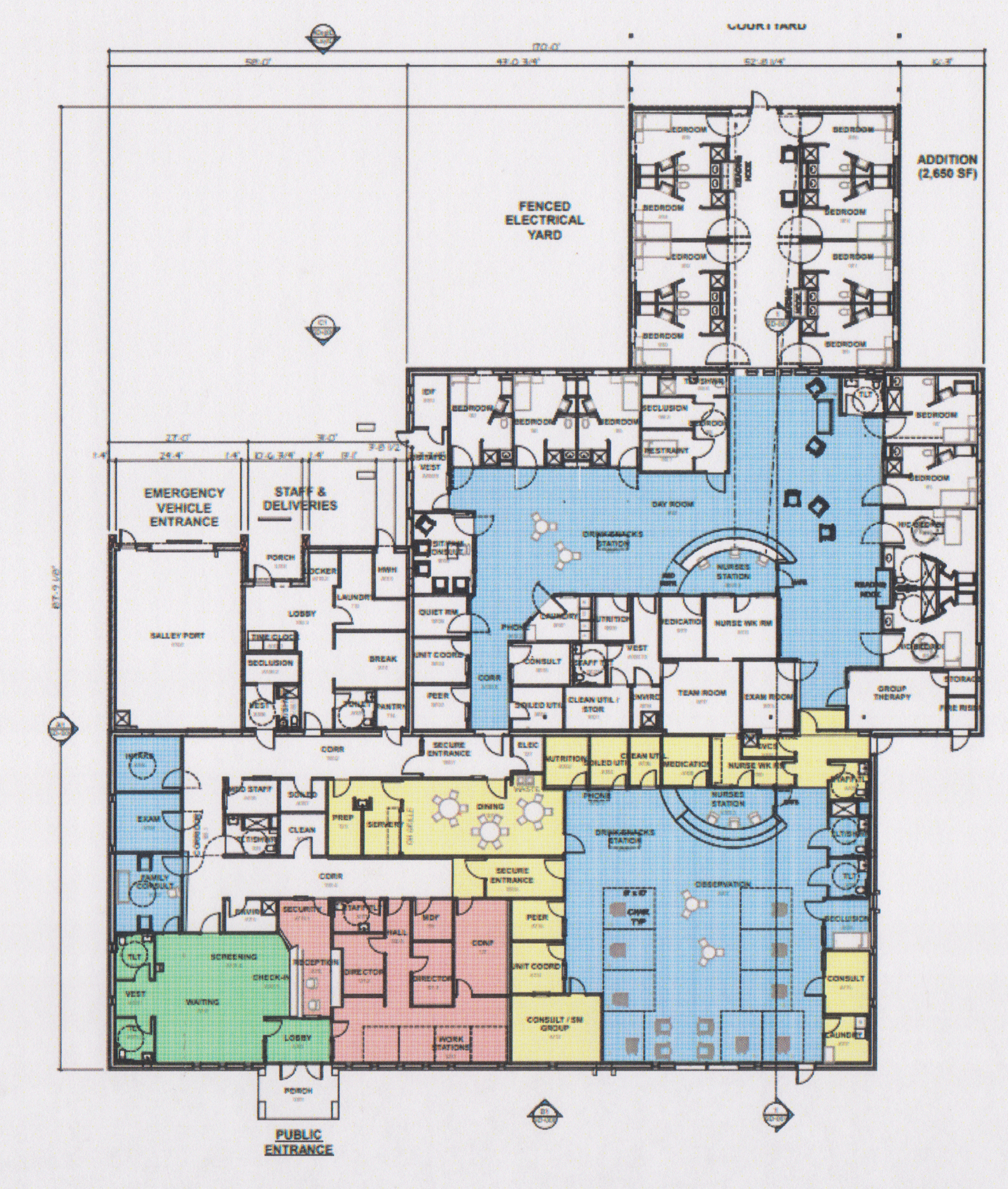
The facility will offer 10 temporary observation beds and 16 extended observation beds.
While the services offered by the new facility are months away, MAMHA officials stressed there is help available now through the After-Hours Mobile Crisis Team. The goal is to divert individuals who are experiencing a behavioral health crisis from the emergency rooms and from unnecessary arrests.
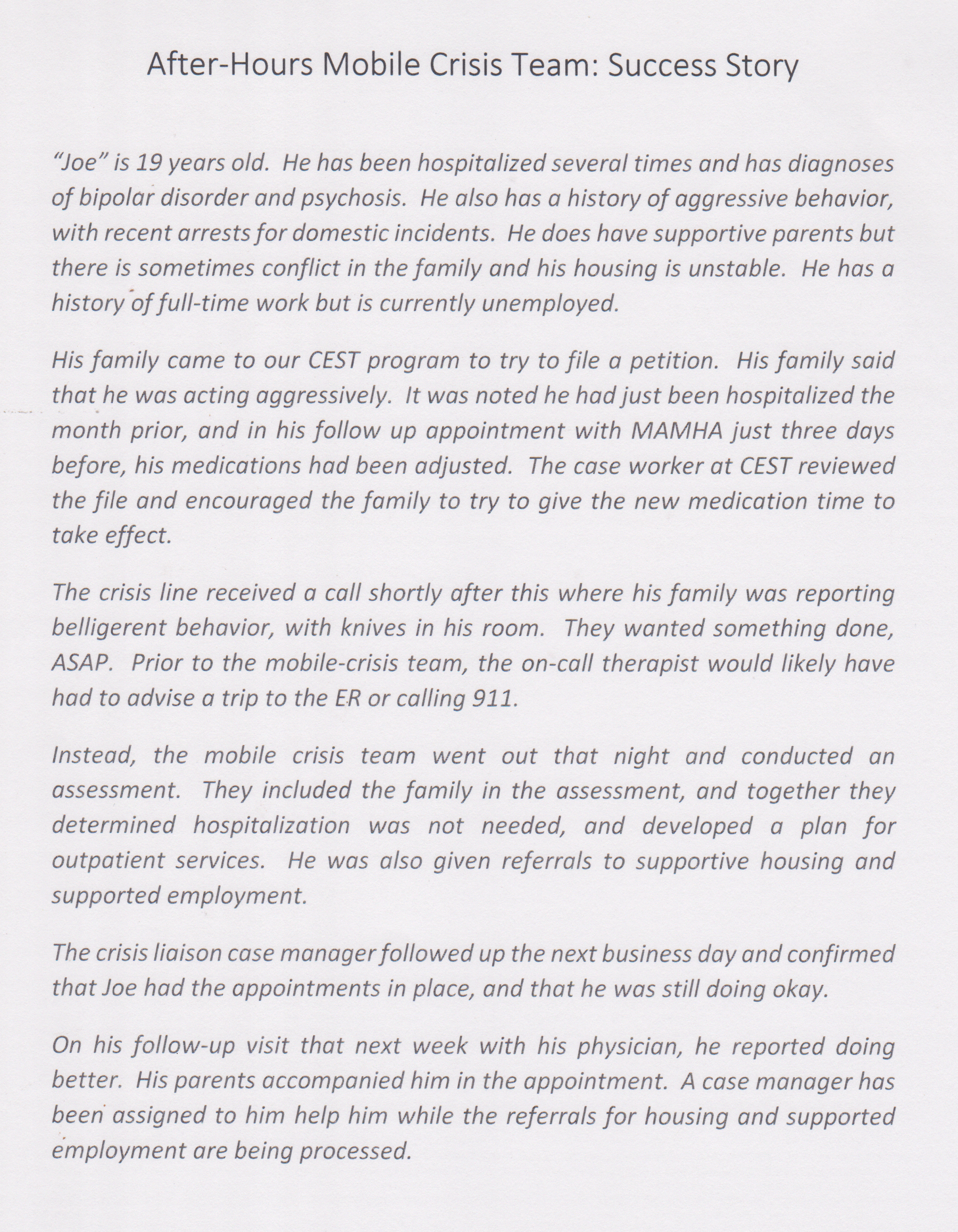
The individualized, face-to-face interventions conducted where the consumer is, can reduce the number of inpatient and involuntary admissions. Nearly half of those seen are now diverted to outpatient interventions, where normally they would have gone straight to the emergency room.
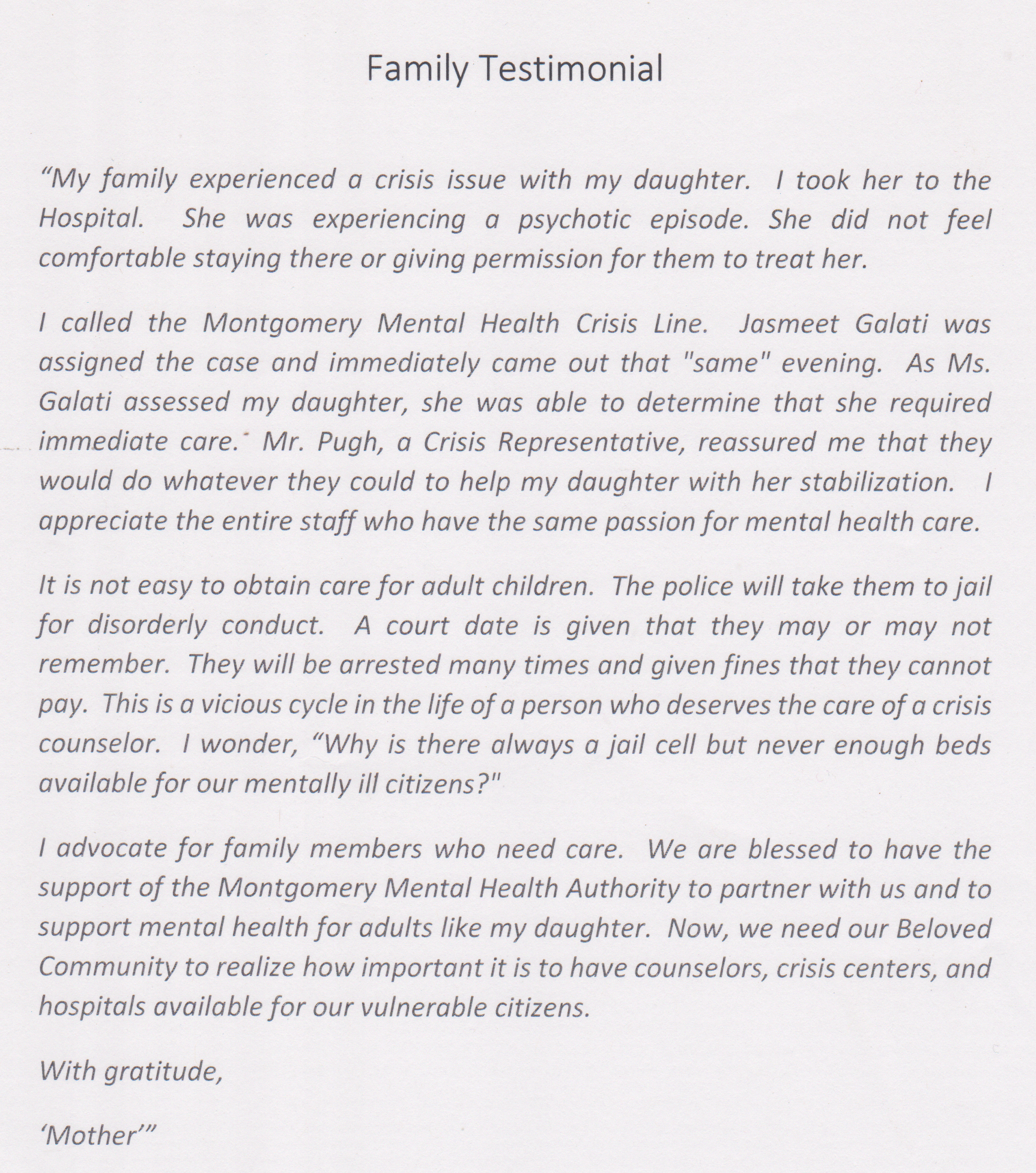
Prior to the implementation of the new after-hours team, the on-call clinician could only refer acute cases to the emergency rooms or to law enforcement.
Through the Mobile Crisis Team, officials can now serve people where they are. Teams evaluate on the spot and refer directly to the least restrictive level of care.
When the Diversion Center opens in December, their teams will be able to refer directly to the Center, or assist with virtual evaluations and consultation.
A Placement Coordinator is on call 24/7 to assist with bed management. Follow-up happens the next business day through the crisis liaison case manager.
So, why is this important?
Both law enforcement officers and mental health experts will say that emergency rooms are not the ideal place for someone in a behavioral health crisis. Individuals can be frightened, overstimulated and feel they don’t have control over their own care. Emergency rooms are overloaded. According to MAMHA officials, evaluations are more effective and reliable if conducted where the consumer is more familiar.
In Alabama Probate Judges oversee mental health issues and/or commitments. In Autauga County, Judge Kim Kervin has been very proactive in educating officials about the current issues, advising first responders on what help is available and holding regular informational meetings. MAMHA officials are hoping that a similar program can be created for Elmore County in the future.
Community Partnerships
The mobile crisis team partners with CIT-trained officers and Sheriff’s deputies to respond to crisis safely. Clinicians are credentialed with local hospitals, including Baptist and Jackson.
Law enforcement facing people with a mental health issue can contact MAMHA for assistance that can lead to positive outcomes through the mobile crisis team. Admissions to crisis units are more easily facilitated when done through MAMHA staff.
For families in crisis, or law enforcement in need of placement for a person in crisis, contact MAMHA at (334) 279-7830, email at [email protected] or visit the website at www.mamha.org.
See more photos and informational graphics below: